
Sowing Art, Cultivating the Gaze:
A Conversation with Laure Boucomont
.
.
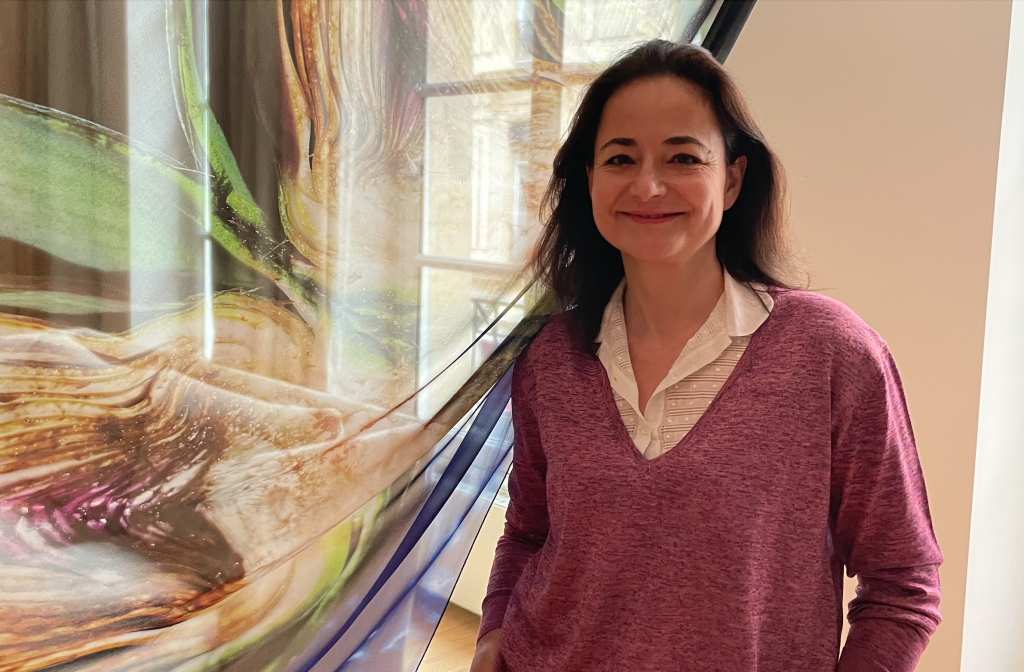
Laure Boucomont
.
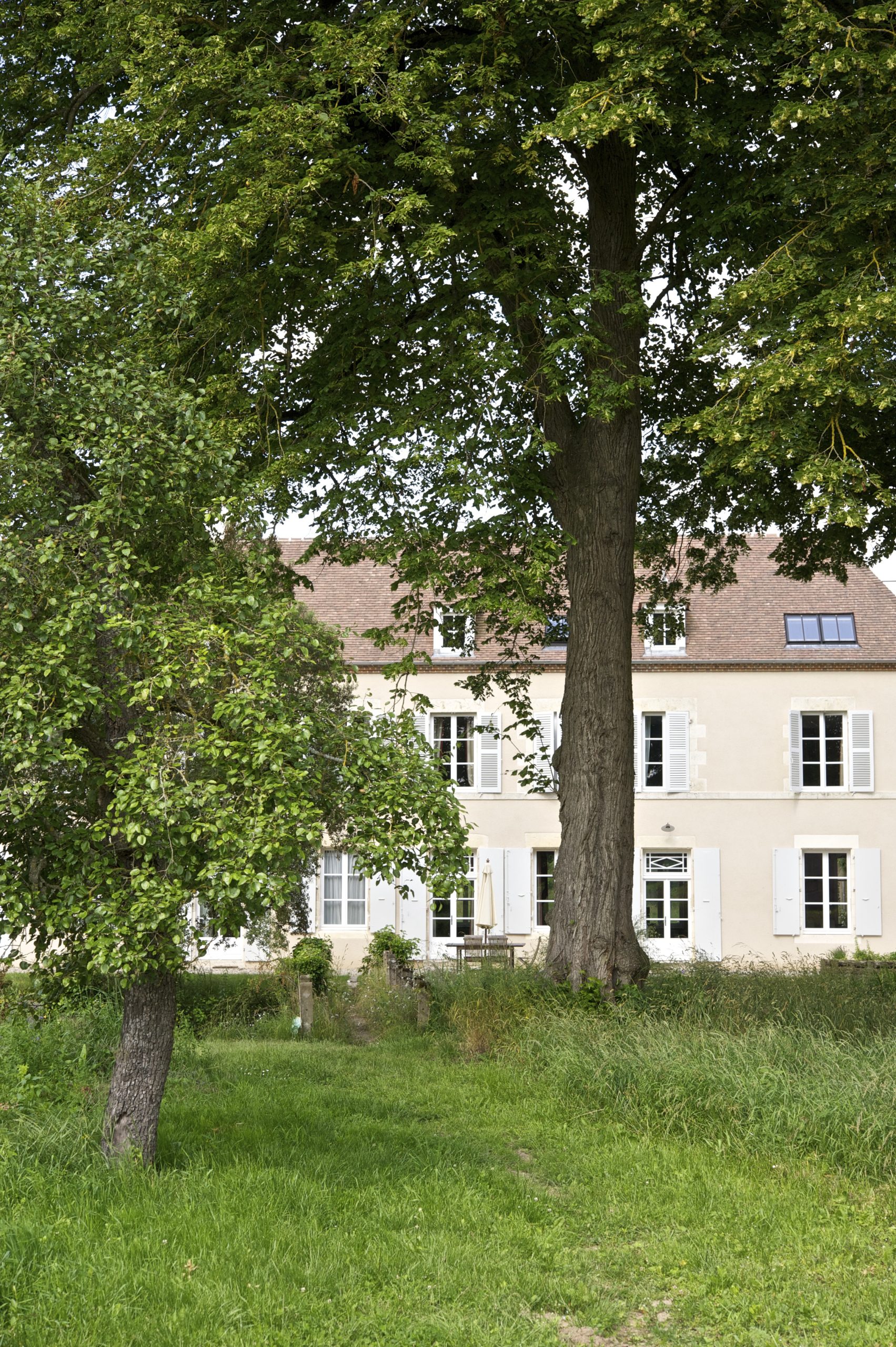
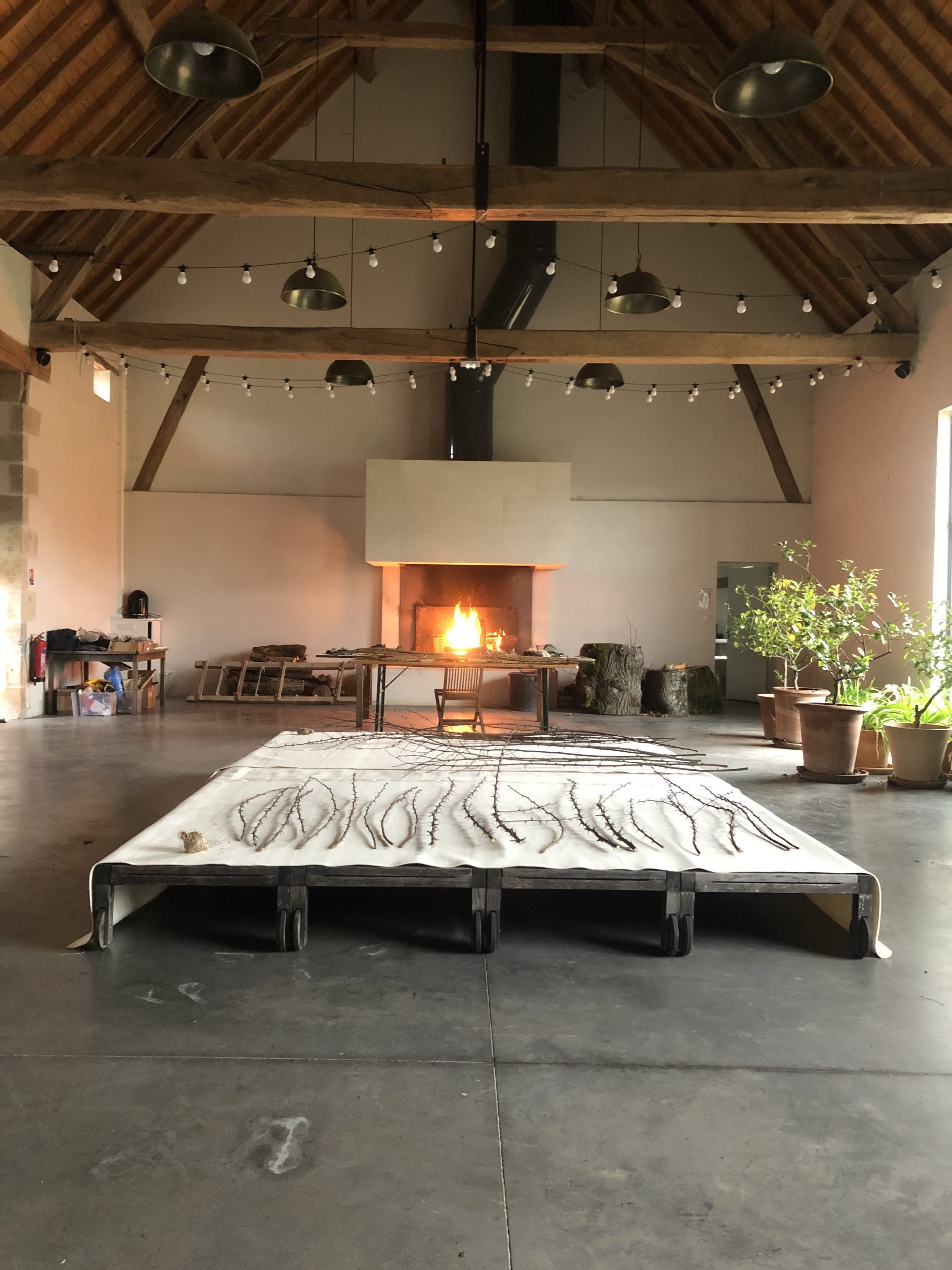
In Toury-sur-Jour, at the heart of the peaceful landscapes of the Nièvre, an agricultural estate transformed into a site for artistic experimentation has, for over a decade, woven an intimate bond between art, nature, and the living world. It is here that Laure Boucomont, an art historian trained at the École du Louvre, has gradually brought to life a singular project—one that is both rooted in a rural territory and resolutely oriented towards contemporary creation. Initially driven by informal encounters with artists, then shaped through the Le Delas Foundation, this adventure took on a new form in 2021 with the creation of the Fertile association.
.
Fertile is more than just a residency: it is a space of resonance, where artists are invited to engage in dialogue with the elements, to question their relationship with the living world, and to let the landscape pass through them. Through exhibitions, workshops, and research stays, the association cultivates a sensitive, committed approach—attentive to the complex beauty of the natural world. Nothing is left to chance: the choice of artists, the selection of curators, the support of students… everything stems from a desire for both rigor and hospitality.
.
In this interview, Laure Boucomont reflects on the origins of this project, its intellectual and emotional foundations, the influences that have shaped her approach, and the directions she envisions for Fertile. She also speaks about her personal connection to the region, the place of the living world in contemporary practices, and her deep conviction: that artists, through the power of their gaze, help us inhabit the world more fully.
.

.
In 2021, you founded the Fertile association, rooted in a family-owned agricultural estate in the heart of the Nièvre. Could you tell us about the path that led you to this initiative? What were the key stages—personal, professional, emotional—that inspired you to make this place a space for dialogue between artistic creation, agriculture, and ecological commitment?
.
In 2010, my husband and I took over a family agricultural estate in the Nièvre. I immediately became aware of the artistic potential of this place and began inviting artists, at first in a friendly and informal way.
.
In 2015, we created the Le Delas corporate foundation, built around three key themes: food, agriculture, and culture. With the COVID crisis, we were forced to close the foundation. To continue the work I had initiated, particularly with artists, I founded the Fertile association in 2021.
.
Your education at the École du Louvre gave you a solid grounding in art history. How has this academic and curatorial background shaped your view of contemporary creation and your approach to developing a project like Fertile?
.
The first three years at the École du Louvre provide a strong foundation in art history. The daily contact with works in the museum is a major asset of this school—it truly trains the eye. As for me, I specialized in 16th-century Venetian painting… which is quite far from contemporary art. The fourth year, focused on museology, prepares students for professional life by covering key issues in preventive conservation, restoration, cultural mediation, and art law. These practical skills are useful to me every day, especially when I organize exhibitions.
.


.
The French art scene today abounds with residency programs, each with its own identity. What are the specific features of the selection process at Fertile? What criteria do you consider essential for welcoming an artist in this very particular context—between nature, relative isolation, and immersion in the living world?
.
Every year I bring together a jury made up of 6 to 8 figures from the art world. Each of them suggests two potential candidates for the residency. After deliberation, two candidates are selected. This process allows me to discover new artists and to open myself to other perspectives, without being overwhelmed by a flood of applications—which often require artists to spend a lot of time preparing materials only to face rejection. As for my selection criteria, I’m drawn to artists who have a special connection with the living world. I pay close attention to formal expression: form must always take precedence over discourse!
.
I also consider how relevant the residency is within the artist’s trajectory. I am keen for this residency period to truly support the artist’s research and development. I also attach great importance to the sincerity of the approach, the artist’s level of commitment to their work, and their overall attitude.
.
We’re seeing a renewed interest in practices connected to ecology, place, and the living world. Fertile fits fully into this movement, without giving in to trends. What kinds of artistic approaches or positions do you favor, and what elements are you particularly sensitive to in the proposals you receive?
.
I don’t have a preferred medium. All practices interest me as long as they are oriented towards nature and the living world. The sensitive dimension of the work is fundamental. I love beauty in all its complexity.
.
How do artists take ownership of the site during their residency? Do you observe any transformation in their perspective or practice through direct contact with this agricultural and natural environment?
.
Each resident engages with the estate differently depending on their practice. Some arrive with a clear project or a desire to explore a specific subject. Others allow themselves to be guided by the place, which reveals materials, sensations, and ideas that lead to the creation of new works.
.
The annual sales exhibitions organized by Fertile involve guest curators. What role do they play in shaping the curatorial project, and how do you choose them? Are you looking for intellectual complicity, or for a fruitful confrontation between your respective visions?
.
The criteria are actually quite subjective! I choose curators who are open-minded and ready to engage in dialogue and discussion. I suggest a theme, often with a few artists already in mind. The guest curator enriches the project with their own proposals, both in terms of artist selection and in defining the exhibition concept. The exhibition is truly built together, shaped by the exchange of ideas.
.


.
You regularly welcome students from art schools to Fertile for immersive workshops. At a time when ecology has become both a theoretical and practical issue, what role do you see these hands-on experiences playing in the training of young artists?
.
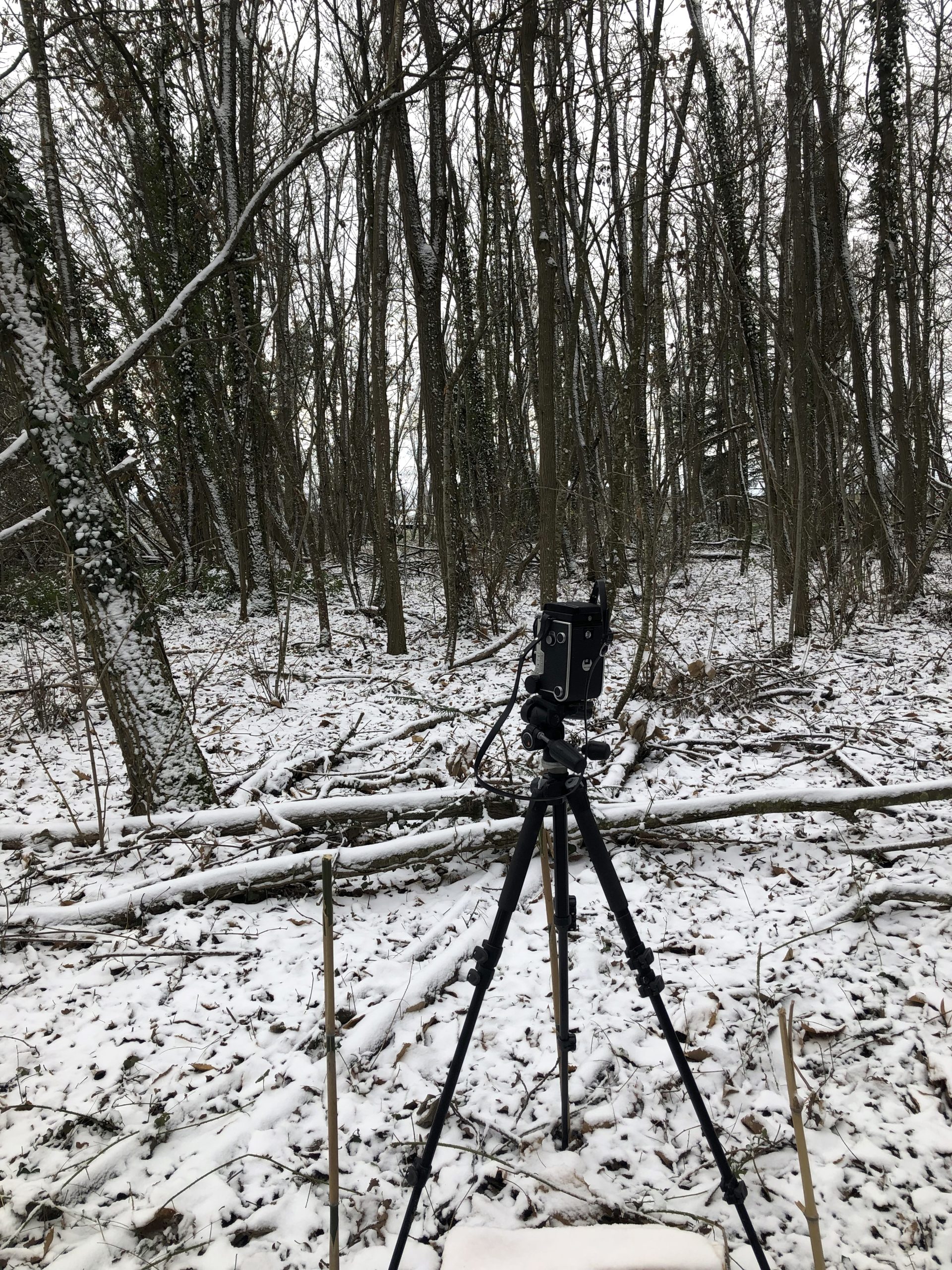
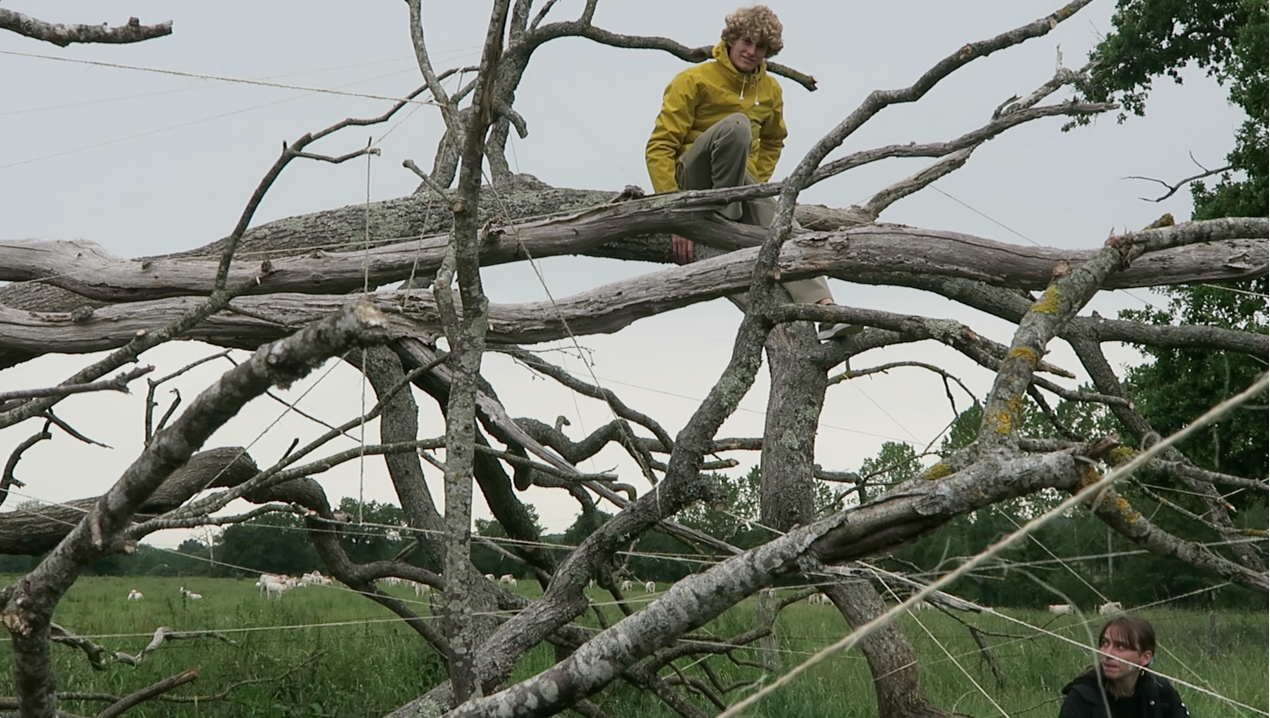
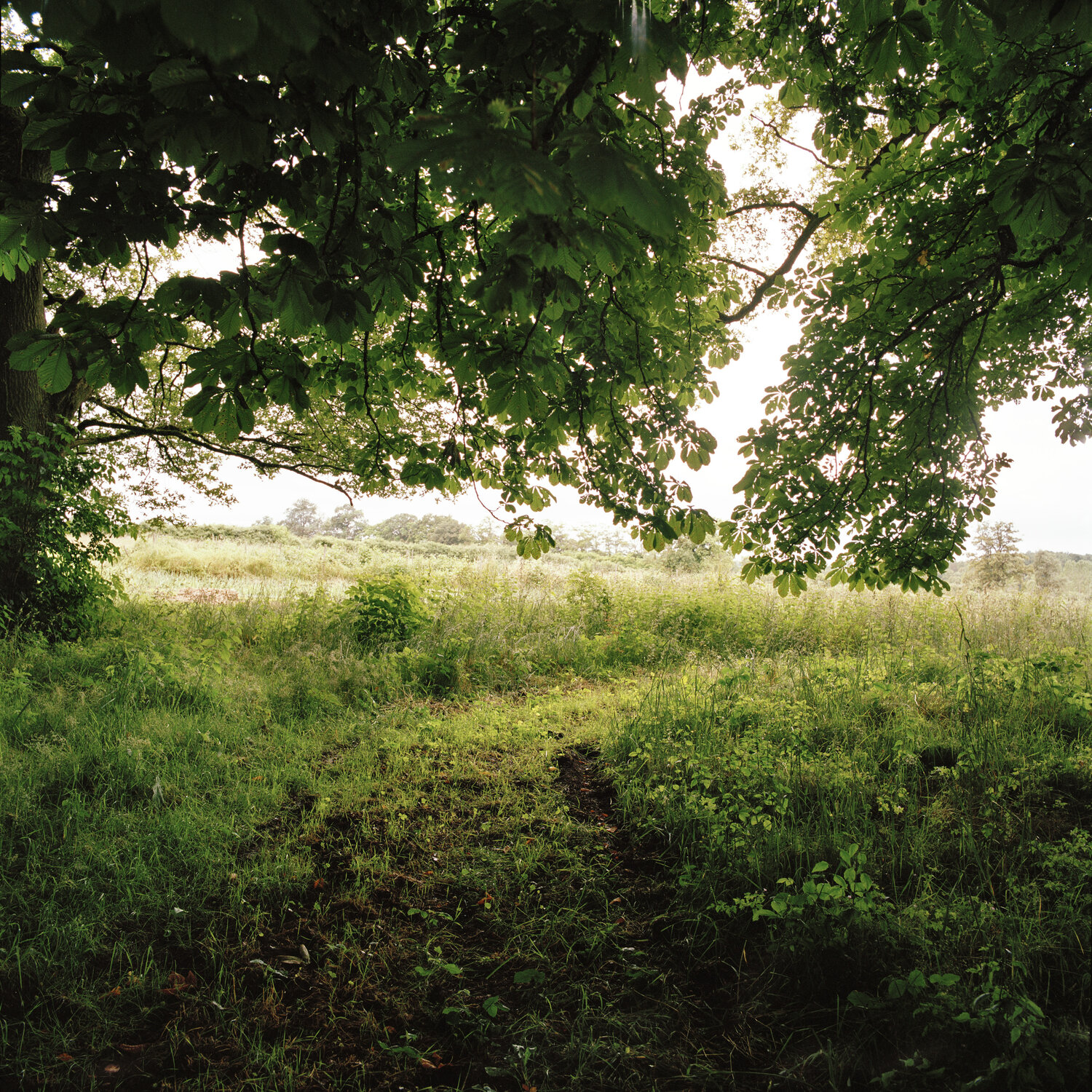
Most students today come from urban backgrounds. Their knowledge of ecology is often very theoretical. There is a wealth of fascinating and valuable reading on the subject, but direct contact with reality is essential. That’s what we aim to offer through the workshops: a concrete discovery of how a working farm operates, an introduction to living-soil market gardening practices, and field observation over several days. On the artistic side, we give students the opportunity to experiment on the scale of a unique natural space.
.





.
What future projects or developments do you envision for Fertile? Would you like to strengthen collaborations with institutions or art schools?
.
I really enjoy welcoming students to the estate at Toury, which is truly intended as a place for encounters and exchange. The workshops are projects led by teachers who are deeply committed to their students. Their structure is planned in advance with the teaching team. They are never ready-made programs—the content is always tailored to the educational objectives of the professors. These are initiatives that the association is keen to multiply, both with regional and national schools.
.
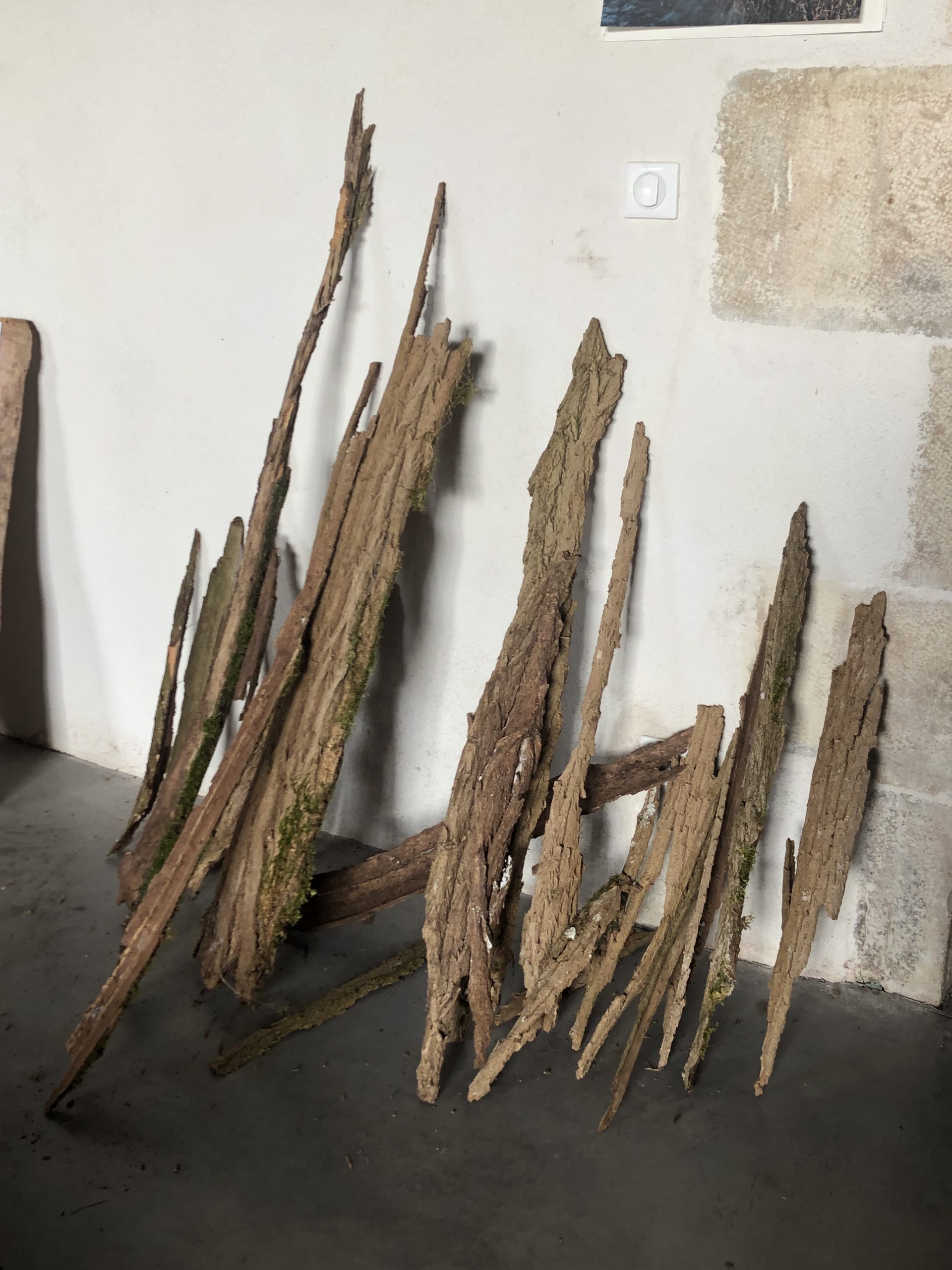
For Fertile to grow, it needs to form partnerships with other institutions, whether local, national, or international. It is with this in mind that Fertile has joined the Seize Mille network, which brings together residencies in Bourgogne-Franche-Comté to foster synergies with local organizations (museums, festivals, associations). I would also very much like to welcome international residents and am in contact with the Cité des Arts and the Institut Français to explore possible collaborations.
.


.
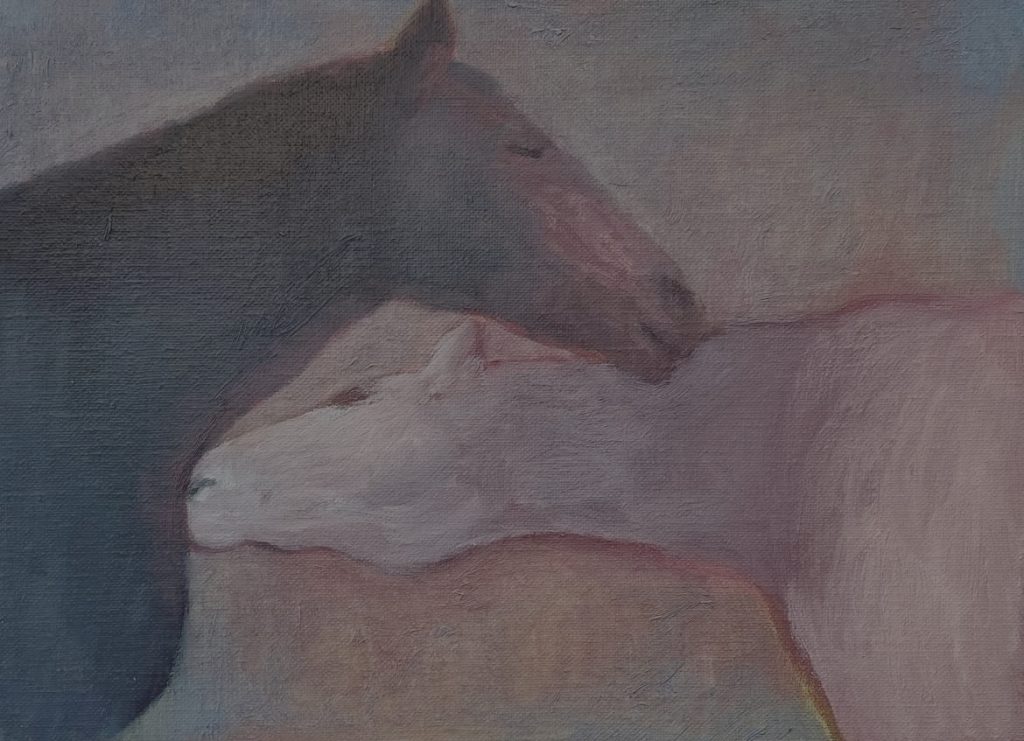
This year, you chose to dedicate the program to the figure of the animal—a theme rich in symbolic, ecological, and poetic resonances. How did this focus emerge, and do you see it as part of a broader movement of rediscovering the animal world within contemporary artistic practices?
.
In 2023, during her residency at Toury, Eugénie Touzé created a video entitled Des bêtes effleurées, in which she filmed all the wild animals she encountered on the estate. I found this film particularly intriguing because, until then, I had approached the site primarily from its plant life. Thanks to her work, I developed a new way of looking at and thinking about the landscape—as a habitat for various living species. That made me want to explore the subject further.
.
What were your main inspirations or references in conceiving this exhibition? Could you tell us about some of the artists or works featured?
.
Some artists, such as Gilles Aillaud, Maude Maris, Olivier Leroi, and Mathilde Cazes, were obvious choices from the start. The exhibition then took shape through a back-and-forth between a highly sensitive, even naturalistic vision of the animal world, and a more reflective approach focused on the human-animal relationship and notions of animality. In the end, dividing the exhibition across two floors allowed us to explore both of these aspects.
.
Thanks to Marguerite Pilven, who had already worked with Nicolas Darrot, I came to know his work more deeply. Nicolas creates an extraordinarily rich universe, inspired by science, mythology, religion, and history. His works are formally very beautiful and distinctive, with styles that vary depending on the series. His art is truly layered with meaning and has a strong formal impact—you don’t take it in all at once!
.


.
Through this exploration of non-human life, what kind of relationship do you hope to see develop between the works and the public? In your view, how can art transform the way we perceive—and perhaps respect—other forms of life?
.
My hope with this theme, as with all those I’ve explored in the past, is to share my sense of wonder at the ability of artists to reveal to us the beauty, poetry, complexity, and mystery of nature. I am convinced that artists help us see the world in a much more sensitive way. They expand our vision.
.
Thank you.
.
