
sandruk : jewelry that feels.
Sandra Keraitė
.
.

Sandra Keraitė. Photo by Jose Spínola
.
Some creations are not meant solely to be worn – they are meant to be felt, experienced, and fully lived. Such is the jewelry of Lithuanian artist Sandra Keraitė: deliberate, sensitive, and profoundly open. Living between Mexico and Portugal, Sandra creates under the name sandruk, a brand born from a deep inner need to explore and express the beauty found in imperfection, vulnerability, and fragility. Her work is a delicate balance of materials and ideas: dried seeds, minimalistic yet striking forms, and raw, textured surfaces come together to form unique silver pieces, where every mark and indentation evokes memories carefully held close, reflecting the flow of life and the traces left by the past.
.
In this conversation, we explore the very beginnings of her creative journey, the ways in which her artistry extends far beyond mere craftsmanship, and how creativity has become a true way of life for her. We discuss the birth of her jewelry, the value of honesty as the foundation of her work, and the evolution of sandruk as it grows into a presence not only in Mexico but across Europe. We also touch upon the dream that has long guided her: creating an open, collaborative, and living creative space in Europe – a dream that is gradually taking shape and becoming reality.
.
.

Photo by Manuel Marañón
.
J.P.: As always, at the beginning of a conversation I’m curious about the very start. Your career as a creator began with hair styling. I deliberately don’t use the word “hairdresser,” because I was your client and I saw that your approach to cutting and styling hair was far from ordinary. Today, in Mexico City, you’re known both as a hair stylist and a jeweler. These days you choose your clients yourself – only people you know, or those recommended by your existing clients, architects, or figures from the worlds of fashion, culture, and art, come to your studio. Tell me how you first found yourself in the spheres of beauty and art.
.
S.K.: I suppose I should start by saying that working with hair always intrigued me. When I was young, I would watch my older cousin, who was a hairdresser, at work. There was something almost hypnotic, enchanting, and magical about her craft. That’s when I began to learn it myself. But after finishing school, I didn’t want to study it professionally – at that time it seemed, well, where could you really go with such a field? So I decided to choose a more pragmatic specialty and completed a degree in graphic design. From the very first year of studies, I realized that this wasn’t my field, that I would never endure a career in front of a computer. I’m glad that, alongside those studies, I was also learning to work with hair. Hair styling kept pulling me in and captivating me, so once I had finished graphic design, I threw myself even more fully into studying haircutting and styling.
.
When it comes to the very beginning of my work with hair, I can’t point to a single client or project that suddenly enlightened me or proved I was on the right path. What I can clearly recall is the feeling I had then, and still have today – the awareness that with my hands I can, in a very short time, change the way a person looks, and that this change makes them happy. That realization, that in my hands lies the power to give someone confidence and the self-worth that grows from it, brings me immense satisfaction. This process of giving has always fueled me – at the very start of my career and still today – inspiring future creativity, whether in working with hair or in jewelry.
.

.
J.P.: I agree with your thought that working with hair is a two-way exchange – it’s not only about a visual change, but also a subtle exchange of energies and emotions. After all, one of the most sensitive parts of the human body is being touched – the head, full of nerve endings, sensations, and subconscious reactions. It’s an intimate, almost ritual experience for both the client and the hair stylist. After finishing your studies, you worked in several places until you eventually settled at UFF – at the time, it was an extraordinary place, more than just a salon. It was a kind of creative community, bringing together free spirits open to art and self-expression. You were welcomed there, and you did very well. Tell me, what made you one day leave it all behind and go to Indonesia?
.
S.K.: UFF was a wonderful experience that brought many interesting acquaintances and beautiful friendships. I was successful and happy, yet inside me there was a growing thirst for something new, for change. The trip to Indonesia wasn’t accidental. In my view, such things don’t happen in a single day – at least not for me. I need time to reflect on my decisions. So the choice to leave had been ripening for a while. I would compare this process to a seed that, given the right conditions to grow and mature, eventually bears wonderful fruit. That’s exactly how it happened – I had this idea of leaving, and then one day a client came into the salon and told me about a year-long cultural exchange program in Indonesia. Some time later, another client arrived who had already participated in the program. A little after that, I met an Indonesian visiting Lithuania. It was like a whole chain of coincidences lining up into a very clear path. That was enough for me – I felt this was exactly what I needed.
.
I always try to listen to my inner voice and aim to open it up even more, to set it free. And in this process, certain signs appear; once they align, all that remains is to overcome the fear of “what comes next” and accept life’s challenge as an adventure. Immersing myself in the adventure in Indonesia, I entered a completely different world. A different culture, a different religion, being far away from home and my comfort zone, discovering local traditions and art – it enriched me both as a person and as a creator.
.
The goal of the exchange program was to promote Indonesian culture, study its history and various art forms. Each participant had to choose a field of study. I chose to study batik. Engaging with textile art, fabric dyeing, felt the closest to my personality – both through a meditative lens and an artistic one.
.

Sandra’s project. Indonesia


.
J.P.: Did this experience encourage you not to settle in one place and expand your travels all the way to Mexico?
.
S.K.: My time in Indonesia definitely gave me self-confidence, the realization that I was capable of traveling alone. I had thought about staying there longer, but after a year I understood that Asia was not really my place. So I returned to Lithuania. When I came back, I found everything just as I had left it – my family, my friends, the same job, the same apartment. And that was liberating for me, it confirmed the feeling I had that I could always come back to Lithuania whenever I wished, that here I would always find my home. At the same time, another factor that contributed to my decision not to stay in Vilnius was that after a year I had changed. Finding everything as it had been didn’t satisfy me, because I was no longer the same person. So I decided to keep moving forward.
.
I cherish Lithuania deeply, but inside I felt a pull to be somewhere else, far away. While I was considering my next direction, I realized I needed to be in the sun, because I tend to sink into inner sadness. I am grateful to Indonesia not only for all the experiences but also for the connections I made. One of my best friends from that program was an American, Sean. I realized that if you want to start anew, it’s better to do it with at least one contact in that environment. That’s how I ended up in Los Angeles, staying with him. But I couldn’t remain in the U.S. – I immediately felt that the country, both energetically and in terms of values, wasn’t right for me. When another friend of mine, Karen from Mexico – who had also participated in the Indonesia program – heard that I was visiting Sean, she invited me to visit her in Mexico City. And that’s where my love story with Mexico began.
.
When I arrived at Karen’s, I stayed in her family’s home, where her grandparents, parents, and aunts all lived. I was immersed in the life of a real Mexican family, where I was welcomed warmly and naturally – as if into my own home.
.
And that’s where all my travel plans ended. Not long after, I got a great job at a good hair design salon in Mexico City. Later, I met my husband. And that’s how Mexico became my home.
.
.


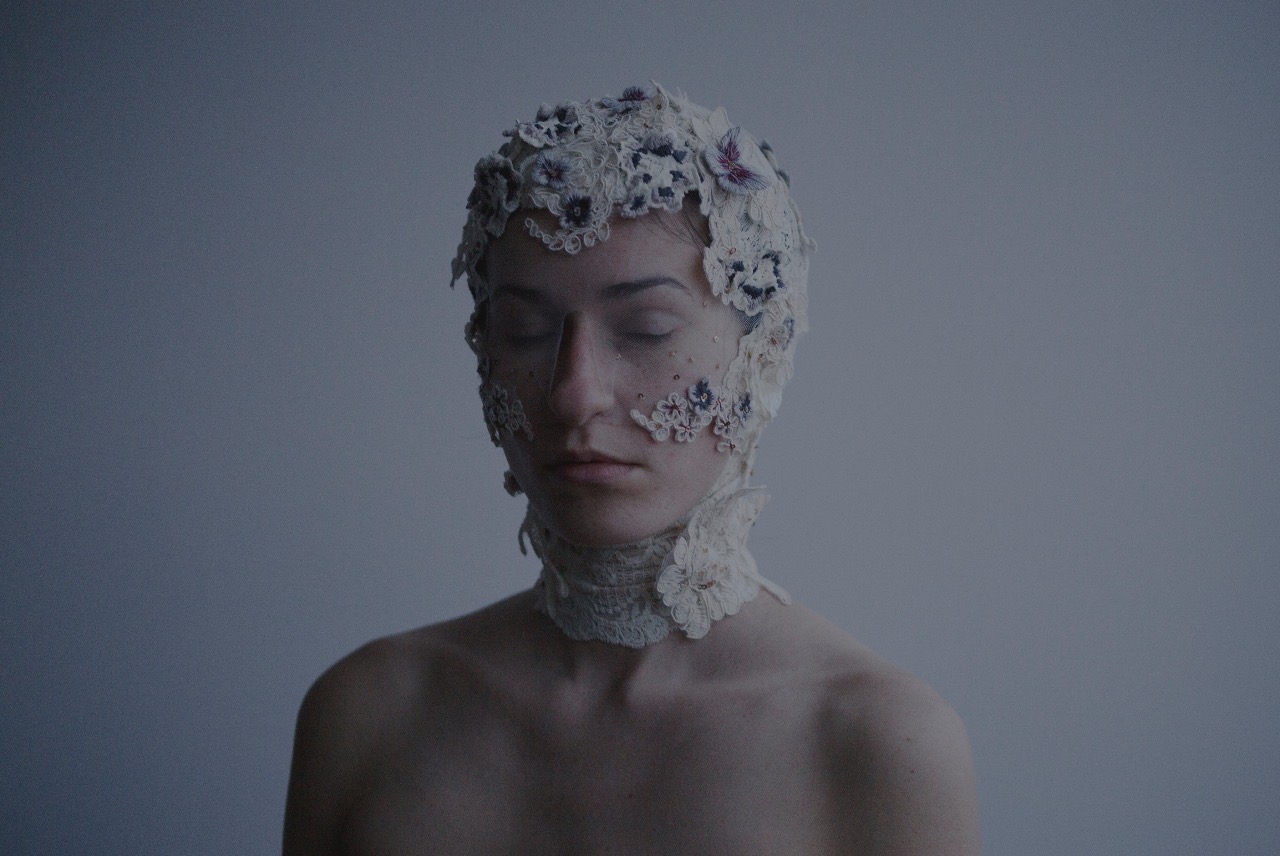
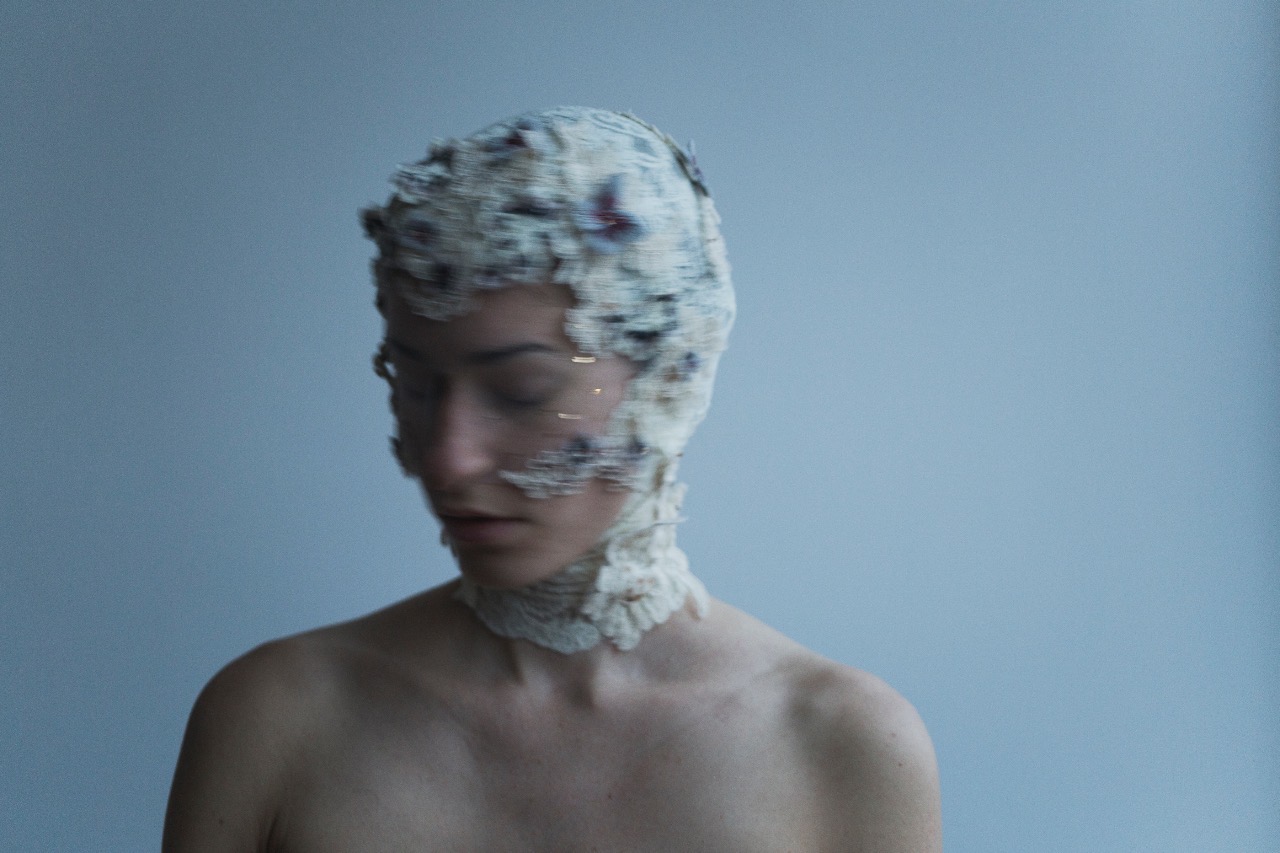
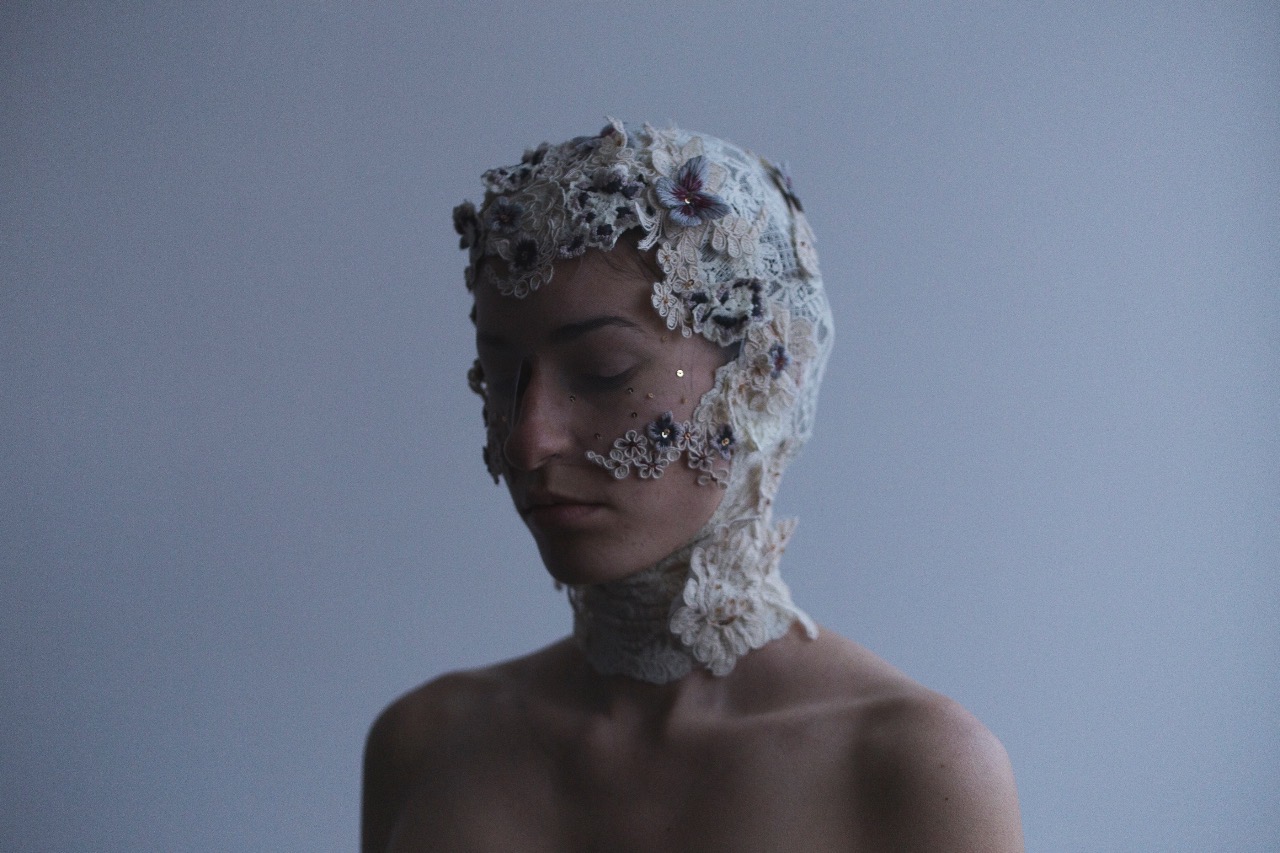
.
J.P.: Today in Mexico City, you are known not only as a hair stylist but also as a jeweler. Five years ago, you founded your jewelry brand sandruk. Tell us more about the path that led you into the rather competitive world of jewelry?
.
S.K.: The foundation of all my creativity has always been handmade work – whether with hair or with textiles. It’s very important for me to feel the material I’m working with through my fingers. Jewelry entered my life at a time when I felt the need to find a new activity that would involve working with my hands and that I could do alone. Working with clients can sometimes be draining, because I’m very open and lack boundaries, which doesn’t help in situations where I simply absorb information and later have to find ways to cleanse myself of it. In other words, I was searching for a meditative activity. And suddenly I began noticing jewelry pieces everywhere, becoming curious about their makers. That’s how jewelry appeared in my life.
.
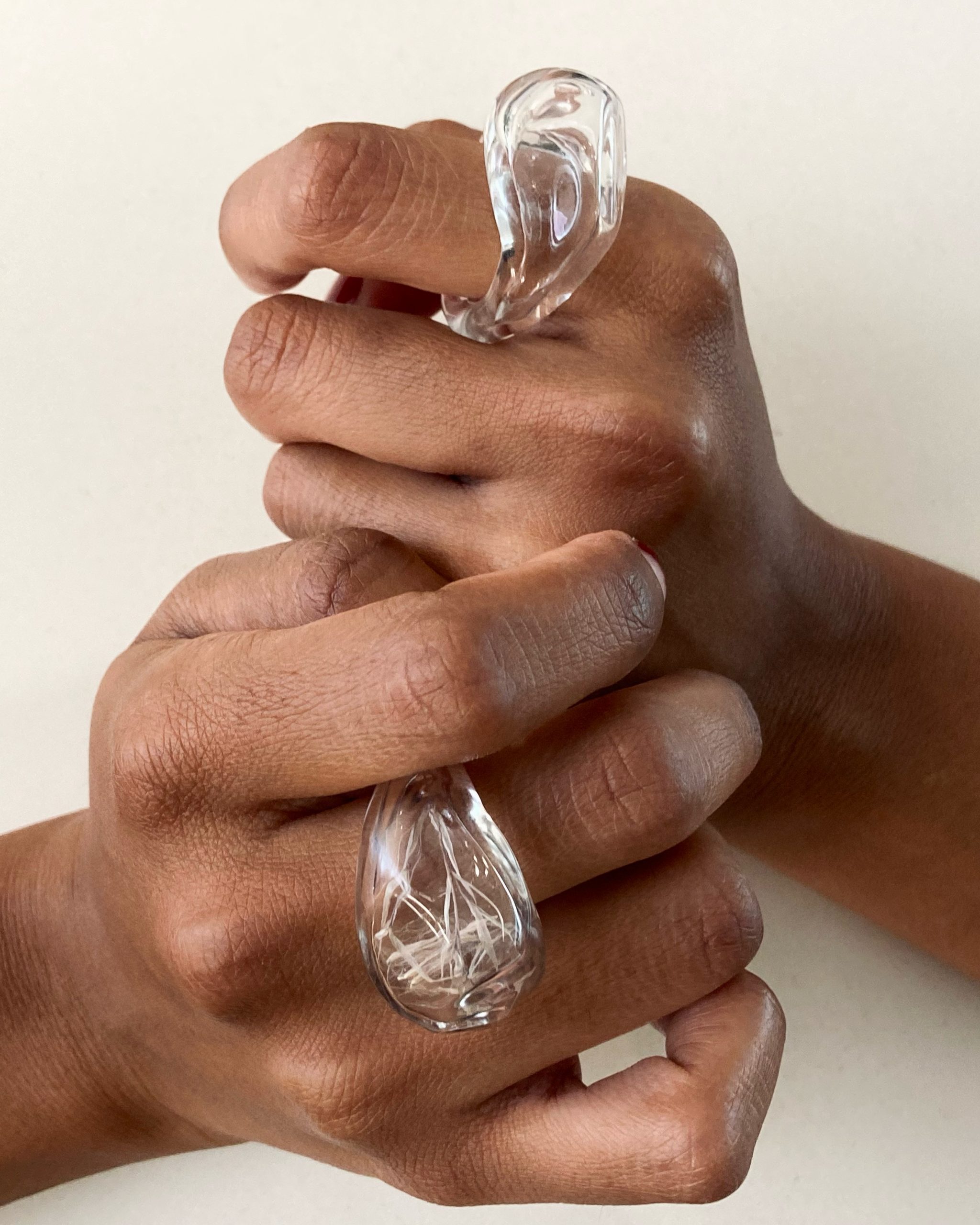
I found jewelry studies in Mexico City, and I absolutely loved them. With great enthusiasm, I absorbed knowledge from my teachers and truly enjoyed the learning process. It reflected my aspiration to create quietly, with focus and sensitivity. That’s how sandruk was born – from the belief that true beauty lies in imperfection, in the natural contrasts between human and nature, in gentle forms, in scars, in temporality. The jewelry I create weaves together craftsmanship, simplicity, and emotional connection. For me, it’s essential that each piece conveys a delicate balance between humanity and silence, between authenticity and longing, between rawness and softness.
.
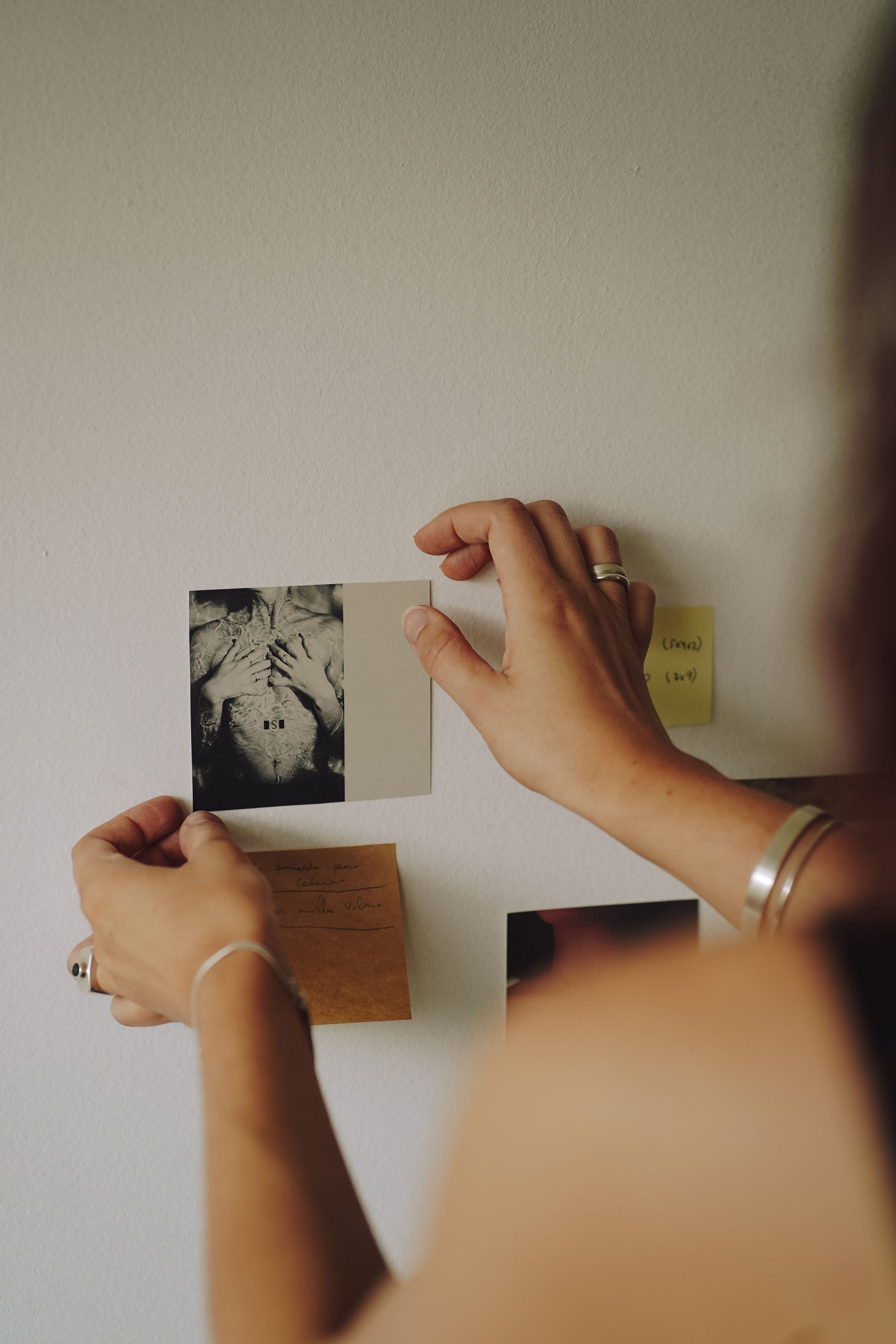
In discovering jewelry, I also found balance in my creative life. Now in Mexico City I have a studio that holds both of my worlds – the hairdressing chair and the jeweler’s bench. I feel grateful to fate that I have the opportunity to combine two beloved activities: connecting with clients while caring for their hair, and turning inward while creating jewelry pieces. Today, I feel firmly grounded in knowing what I want and in appreciating what I have.
.

Sandra in her studio. Photo by Andrea Dorantes


.
J.P.: When creating jewelry, do you follow trends? What inspires you?
.
S.K.: When I create, I try to follow my own feelings and visions. Of course, I keep an eye on the latest news in the jewelry world, both in Mexico and in Europe. I think it’s important to feel the pulse of your creative field. However, every piece made in my studio is not influenced by trends at all; it is shaped solely by my own relationship with the world and with nature. Nature, indeed, has a strong influence on my work.
.
For example, I can tell you about the jewelry line Toloache. The first time I touched a toloache seed pod, I was flooded with a strange feeling. It was uncomfortably comfortable to hold in my hand – the sharp thorns were almost intimidating, yet at the same time captivating. I liked that sensation. I wanted to do something with it – to turn the plant into silver, to turn it into jewelry. It was beautiful, natural, created by nature. Like everything in life, it left a mark (the thorns pressed into my skin). Just as every experience, every encounter, every episode we live through leaves a trace inside us, sometimes scars.
.
Another important aspect of my work is that I love to experiment, to play with materials. Yet I approach my work responsibly, and when creating a new jewelry line, I always consult and collaborate with different artisans. I aim for my jewelry to be durable and of high quality. Most importantly, it is handmade. As a result, each piece is unique, just like each of us.
.
When creating jewelry, as when styling hair, I never lose the feeling that this is a way for me to share joy – it is another path for me to give, to bring a sense of happiness to my clients. And that, ultimately, is what inspires me.
.


.
J.P.: How do you see sandruk today?
.
S.K.: Today, I feel that the sandruk brand is growing and maturing – both creatively and in its identity. It is genuine, sincere, and simple. There is a natural desire to expand its geographical reach and share my creations beyond Mexico. I increasingly feel the urge to present my jewelry to a broader audience in Europe – not just as objects, but as ideas, emotions, and stories hidden within each piece.
.
At the moment, I’m planning to hold a jewelry “pop-up” event in Lisbon, Portugal – a city with which I’m still building a connection, as we recently finished setting up another home here. So this is not only a geographical journey but also an inner one: I feel that I am moving toward a new creative space where sandruk can grow even bolder, be seen, recognized, and experience other cultural contexts.
.



.
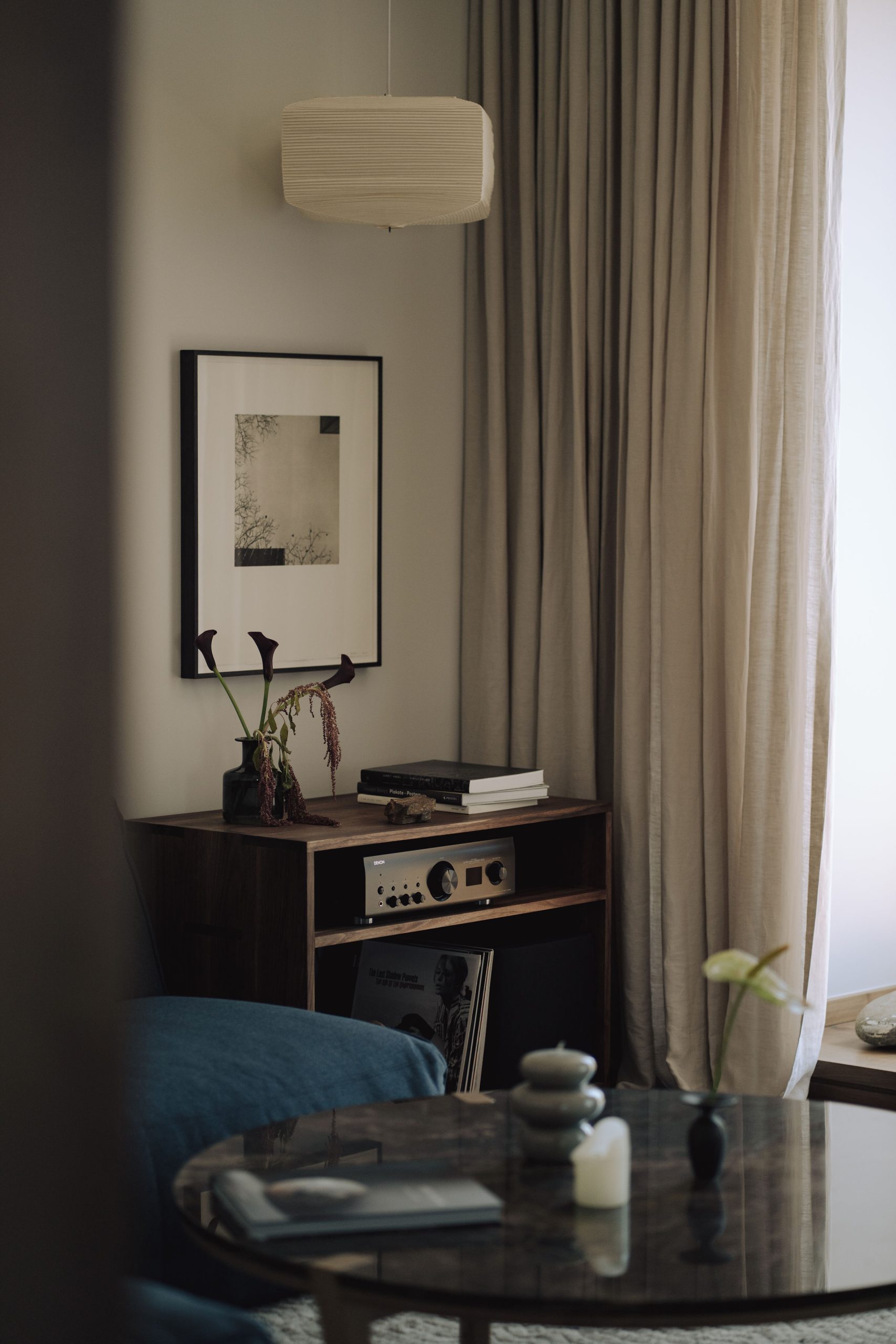
J.P.: After several years of work, together with your husband, architect Derek Dellekamp, you transformed an old apartment in the heart of Lisbon into modern apartments that perfectly blend both of your experiences: Derek’s expertise and your aesthetic sensibility, his architectural solutions, and your interior design touches. Tell us about your home, which you call casa Lisbon on Instagram (casa_lisbon), where you’ve been sharing images from the very beginning of the apartment’s transformation.
.
S.K.: We have been living between Mexico and Portugal for some time. A few years ago, we purchased an apartment in Lisbon. We had a few main criteria: a view from the windows, a characteristic city area, and a building with history. It was important for us to have a home with soul. In the Lapa district of Lisbon, we found exactly the kind of apartment we both loved. The apartment was old and neglected, so it became the perfect material for a remodel.
.
Although we initially didn’t expect the renovation to take so long, we decided to make significant changes to the apartment and patiently waited for the results. For us as a couple, it was a major project because we chose to approach it as a shared endeavor. We divided responsibilities and both worked sincerely. This gave birth to the Instagram profile, where we wanted to document the process step by step. We simply wanted to create a visual album to archive the work for our own memories and to share it with anyone interested in following this type of project.
.
As a creator, this was an especially enjoyable experience – using my artistic background to design a home for ourselves. The most important goal Derek and I set was to use only natural, high-quality materials such as wood, stone, and linen. This reflects both of our artistic visions – Derek’s in architecture and mine in jewelry design. We wanted to create a pure, essential space. And that is exactly what we achieved.
.

Photo by Andrea Dorantes


.
J.P.: Now, having a home in Europe, you’ll be able to more easily carry out your artistic projects and grow sandruk on this continent. Where do you see sandruk in five years?
.
S.K.: I’ll manifest it. I want to have my own space in Europe – a physical, living place where I can present sandruk not just as a jewelry brand, but as a creative universe. I want it to be more than a traditional, static jewelry store. I dream of an open, dynamic, collaborative space where different forms, ideas, and people can come together.
.
It would be a place where I could host not only jewelry presentations or exhibitions, but also pop-ups, creative workshops, talks, and even experimental events. It’s important to me that this space creates not just objects, but connections – a community where collaboration and the exchange of ideas happen naturally, where creativity is a living, breathing process.
.
J.P.: To conclude, I want to ask a very simple question – what value is the most important to you, both in life and in your creative work?
.
S.K.: In today’s world, full of pretense, noise, and superficiality, the value that matters most to me is honesty. In both life and creativity, it is important for me to be genuine – with myself, with others, and with the materials I use. To me, authenticity means having the courage to be vulnerable, not idealizing, but speaking from within – calmly, yet clearly. I believe that true connection can only arise from honesty.
.

Photo by Andrea Dorantes