
Art Review:
.
Between Memory, Disappearance, and Resistance.
Laboratory of Mirage at The Ithaque Gallery
.
.

Dorsa Basij et Golnaz Zibandekhoo
.
The Ithaque Gallery presents Laboratory of Mirage, an exhibition bringing together the works of the artist duo Dorsa Basij and Golnaz Zibandekhoo, curated with attentive and delicate care by Dorsa Jalali. Located in the heart of Le Marais, a Parisian neighborhood rich in art spaces and history, the gallery is gradually establishing itself as a singular space within the contemporary scene. It highlights questions related to ecology and memory, while giving a central place to female and non-Western voices. It thus becomes a space where dialogue between the local and the global unfolds with both strength and subtlety.
.
.
From "The Pit" series, video 2_01", 2024.
.
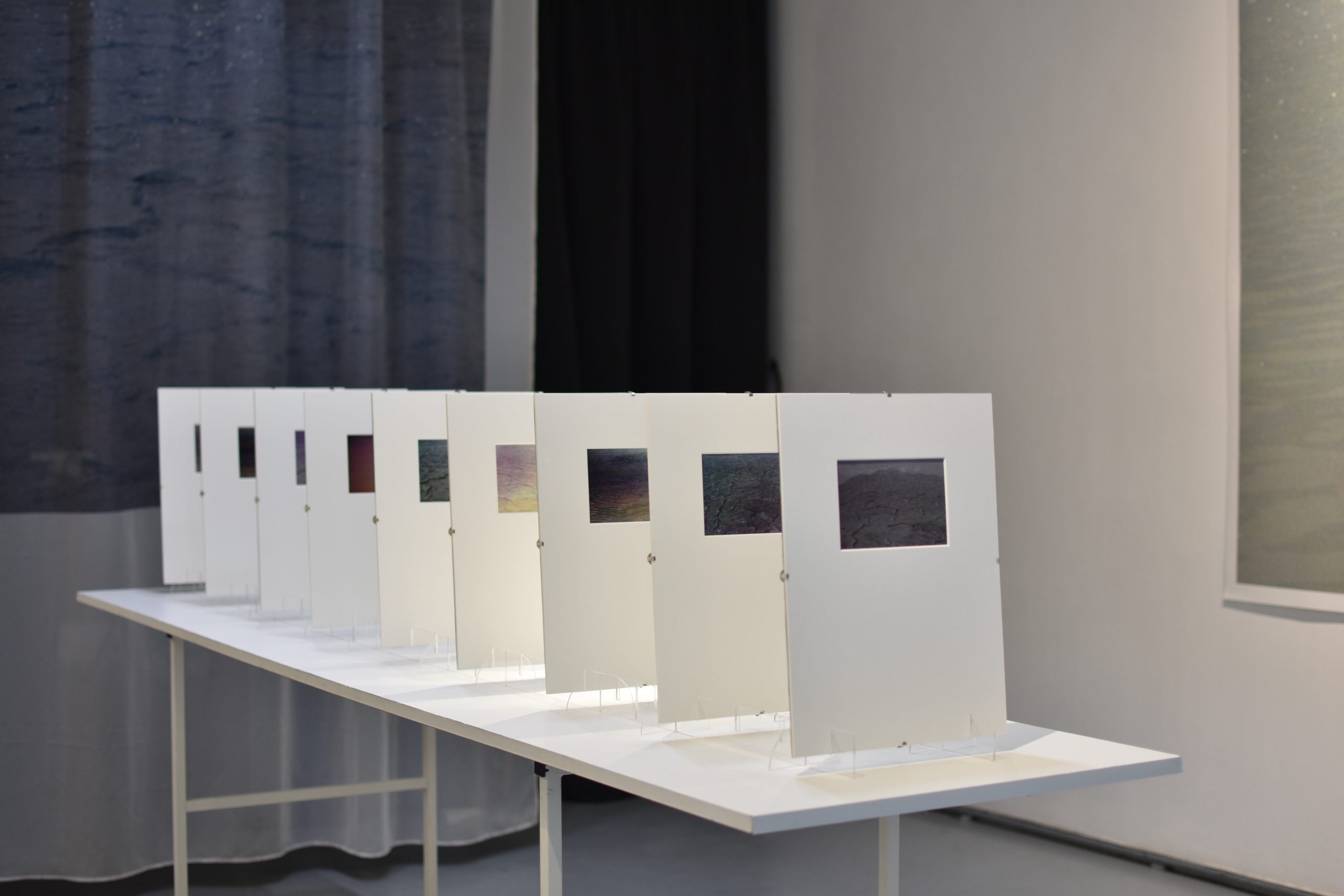
The works of the duo immerse the viewer in an atmosphere that is simultaneously dreamlike and meditative. The small gallery space, under the attentive and inspired eye of a curator, is conceived as a true laboratory: each photograph becomes a singular object, a fragment of fragile memory, demanding a slower, more intimate gaze and active participation from the viewer. The space itself transforms into an experiential chamber where perception and emotion intertwine, inviting exploration of the nuances of the ephemeral and the persistent traces of time.
.
The exhibition’s title, Laboratory of Mirage, functions as a key to interpretation. It encapsulates the spirit of the project and reveals its poetic and conceptual depth. The term laboratory evokes a space of experimentation and analysis, where phenomena are scrutinized to better understand them. Applied to the artistic field, it transforms the gallery into a sensitive research ground, where perception, memory, and representation are open to exploration. The exhibition thus does not merely present works: it engages the viewer in an experience, inviting them to test the limits of their own perception of reality.
.
In contrast, mirage opens another horizon. It evokes illusion, ephemerality, and fragility. A mirage is an image that slips away the moment one thinks they have grasped it, like a memory fading or a landscape threatened with disappearance. In the context of the exhibition, it becomes a metaphor for ruptures in lived experience, landscapes altered by time and ecological crisis, and fragile memories that waver and risk vanishing.
.
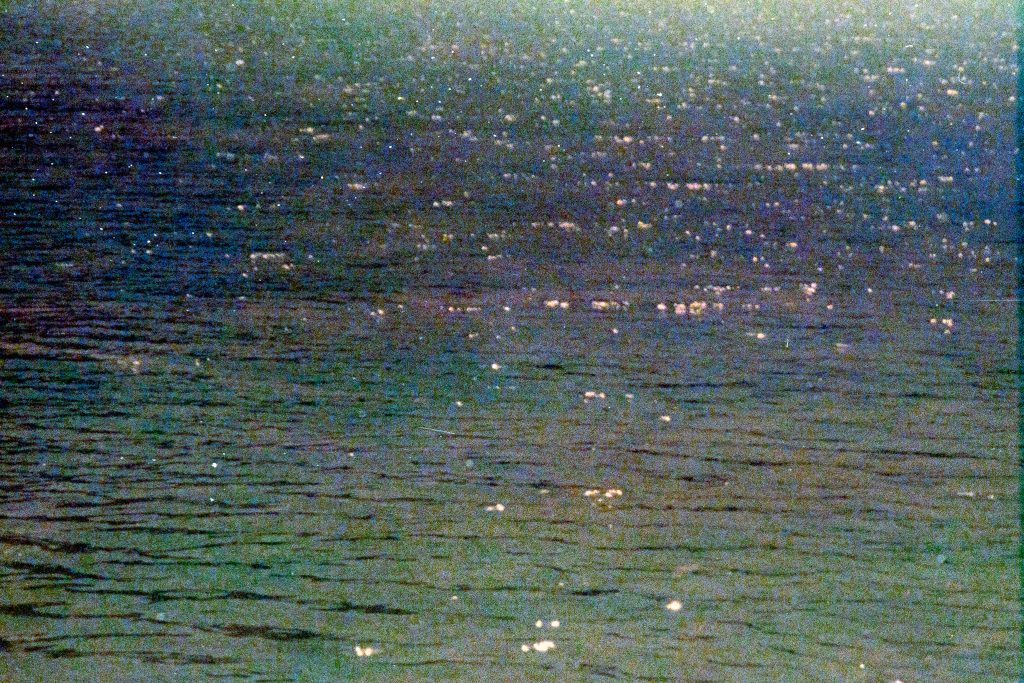
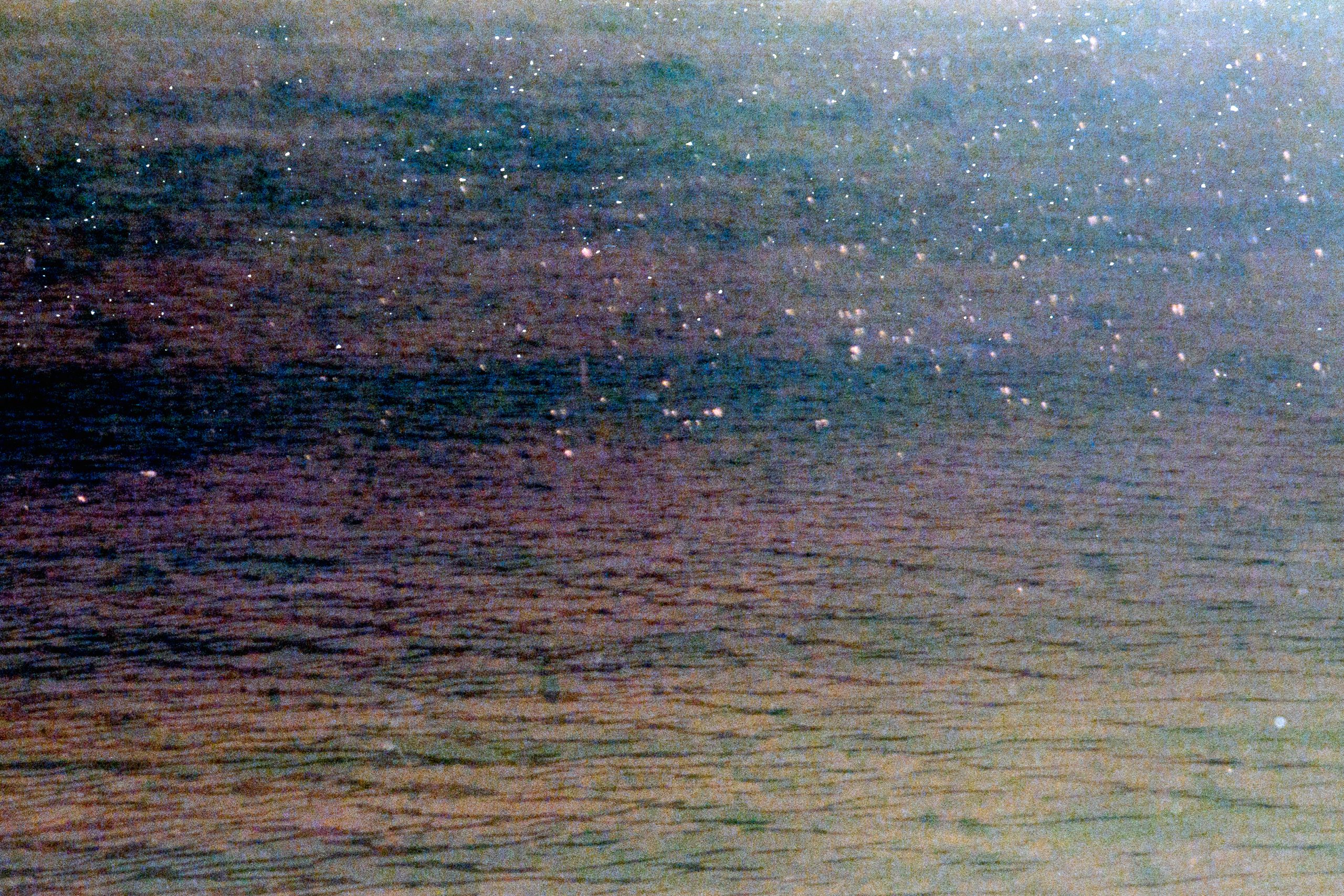
Untitled from Laboratory of Mirage series, digital print on enhanced matte epson, 10×15 cm, Edition of 5 plus 2 artist proofs, 2025
.
From this juxtaposition emerges a fertile tension: the scientific rigor of the laboratory confronts the instability of the mirage. It is precisely within this tension that the artists’ approach takes shape. Their works oscillate between meticulous observation and the fragility of the world, between testimony and disappearance. In the visual and symbolic universe of Laboratory of Mirage, the motifs of water and desert carry a particular resonance, especially within the Iranian context from which both artists emerge. Iran’s landscape—marked by vast deserts and an increasing scarcity of water—becomes not only a geographic reality but also a metaphor for disappearance, survival, and the resilience of memory. In these works, the desert is not merely empty space but a living archive of time, where traces of presence and absence intertwine. Water, conversely, embodies the possibility of renewal, reflection, and resistance—its absence as eloquent as its flow. By evoking these elements, Basij and Zibandekhoo transform environmental crisis into poetic inquiry, linking the fragility of ecosystems with that of personal and collective memory. The tension between aridity and fluidity thus mirrors a broader meditation on endurance and transformation—both ecological and human.
.
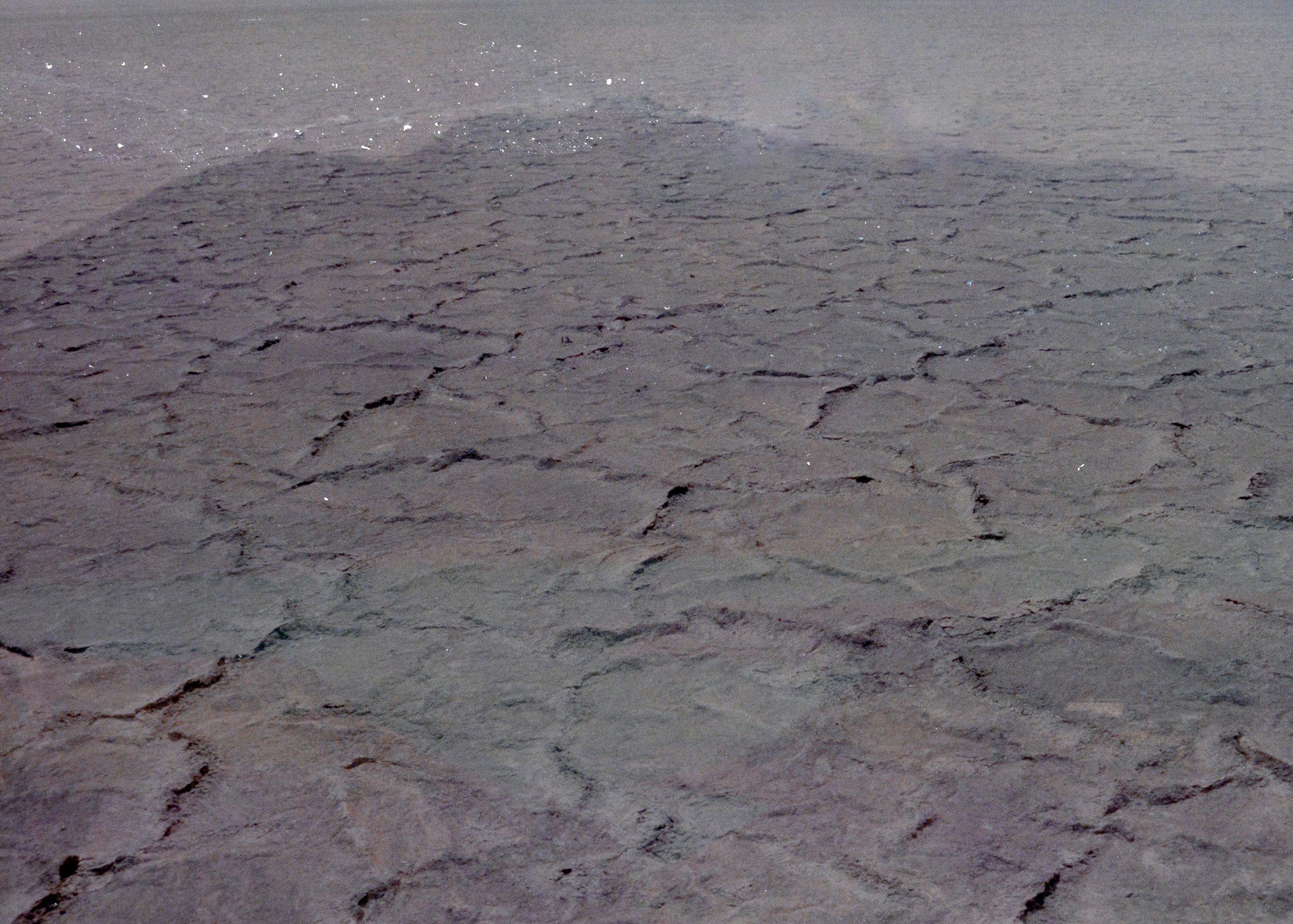
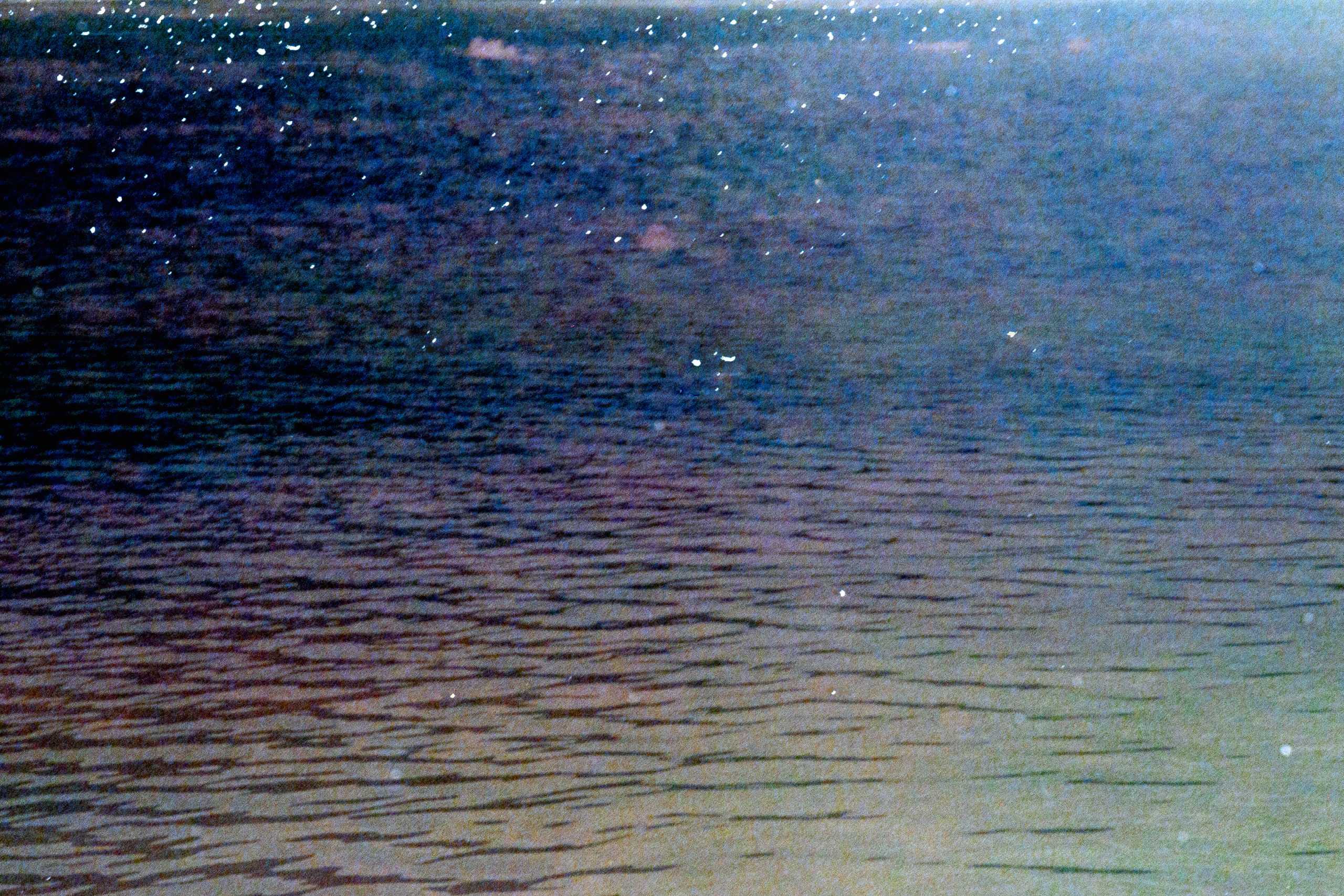
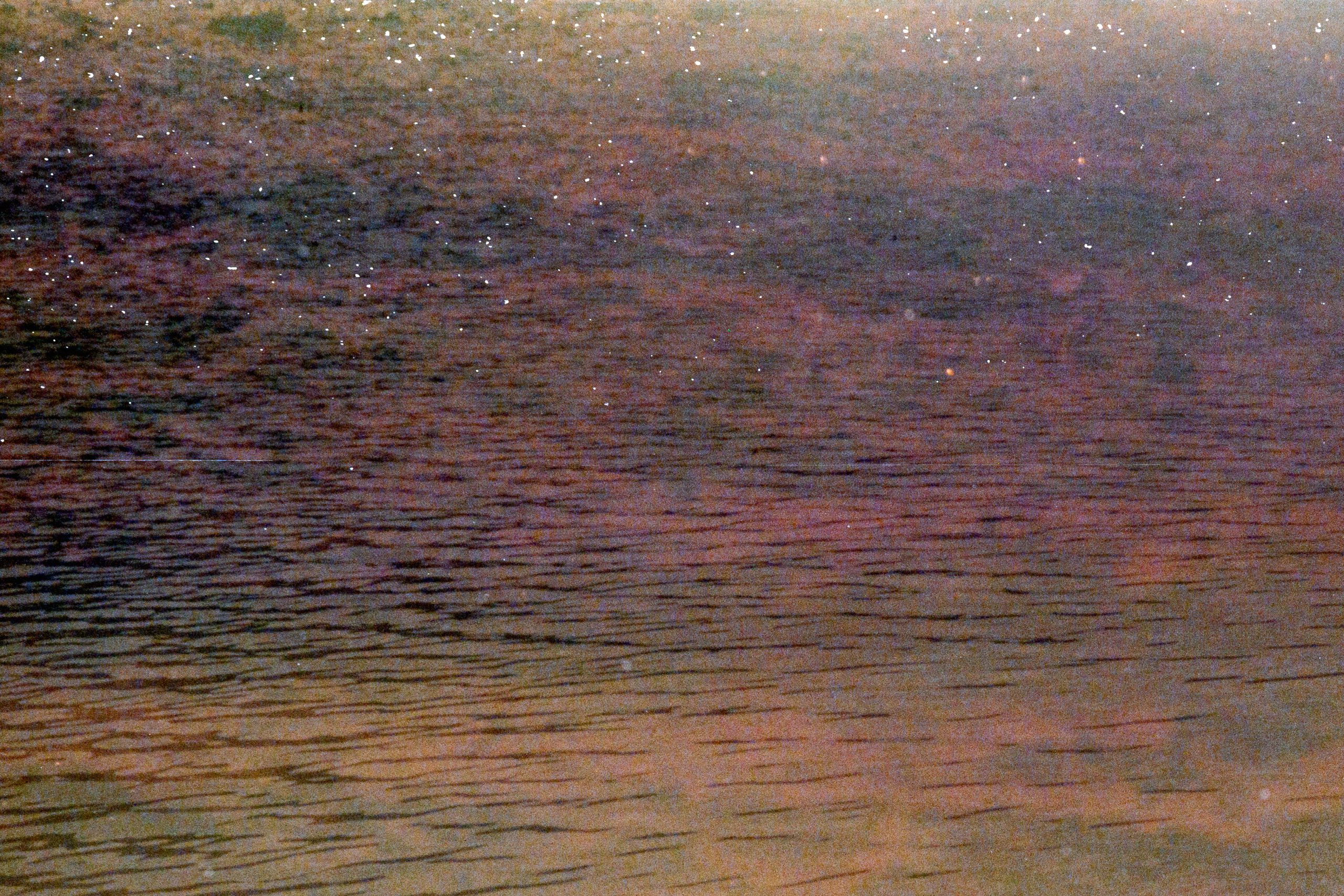
In Laboratory of Mirage, the absence of water emerges as a central motif, both literal and symbolic. It evokes a landscape in crisis, where scarcity transforms familiar environments into fragile, almost ephemeral spaces. Yet the exhibition does not present this absence merely as a physical reality; it becomes a lens through which to examine memory, loss, and perception. The mirage—shimmering, elusive, and just out of reach—reflects the instability of experience and the fragility of what we take for granted. Water’s disappearance mirrors the broader ruptures of lived experience, highlighting the distance between what once existed and what can no longer be recovered. In this way, the absence of water becomes a poetic trigger for reflection, inviting viewers to consider both the ecological urgency of our world and the delicate persistence of memory and resistance. The works—whether analog photographs or videos—do not merely document reality: they stand as delicate traces, precious imprints of a memory in erosion, capturing the fragility of time and the tenuous persistence of recollection.
.



.
In this exhibition, Dorsa Basij and Golnaz Zibandekhoo present their work in a synergy where their respective practices respond to and enrich each other. Photography, video, sound, and installation intertwine to create a shared language attentive to transformations and traces left by time. Zibandekhoo’s technical and architectural rigor dialogues with Basij’s multidisciplinary sensitivity, while the ensemble explores the memory of places and landscapes, revealing what transforms, what disappears, and what persists and resists. The duo thus constructs an immersive experience, where each work becomes a fragile and poetic trace, demanding careful and engaged observation.
.
Under the curatorship of Dorsa Jalali, the exhibition acquires an interdisciplinary dimension where digital, environmental, and sensory experiences converge. The curatorship acts as an invisible yet essential architecture: it connects the works, gives them space to breathe, and proposes a path that is both clear and fluid. The precision of this spatial arrangement allows the images to unfold their full aesthetic and memorial impact.
.
More than a meditation on disappearance, the exhibition is a reflection on resistance. The images reveal the fragile beauty of a transforming world and, at the same time, the possibility of preserving, witnessing, and resisting erasure. Resistance here is not violent or confrontational: it is persistent, subtle, poetic. It resides in surviving memory, in the trace that remains, in art’s capacity to make visible what tends to disappear.
.
In a global context marked by climate urgency, the fragilization of territories and communities, and the rampant circulation of images and narratives, Laboratory of Mirage acts as a necessary reminder: art can be both archive and projection, memory and anticipation. It invites us to consider what disappears not as an irreparable loss, but as a call to vigilance and resistance.
.
.

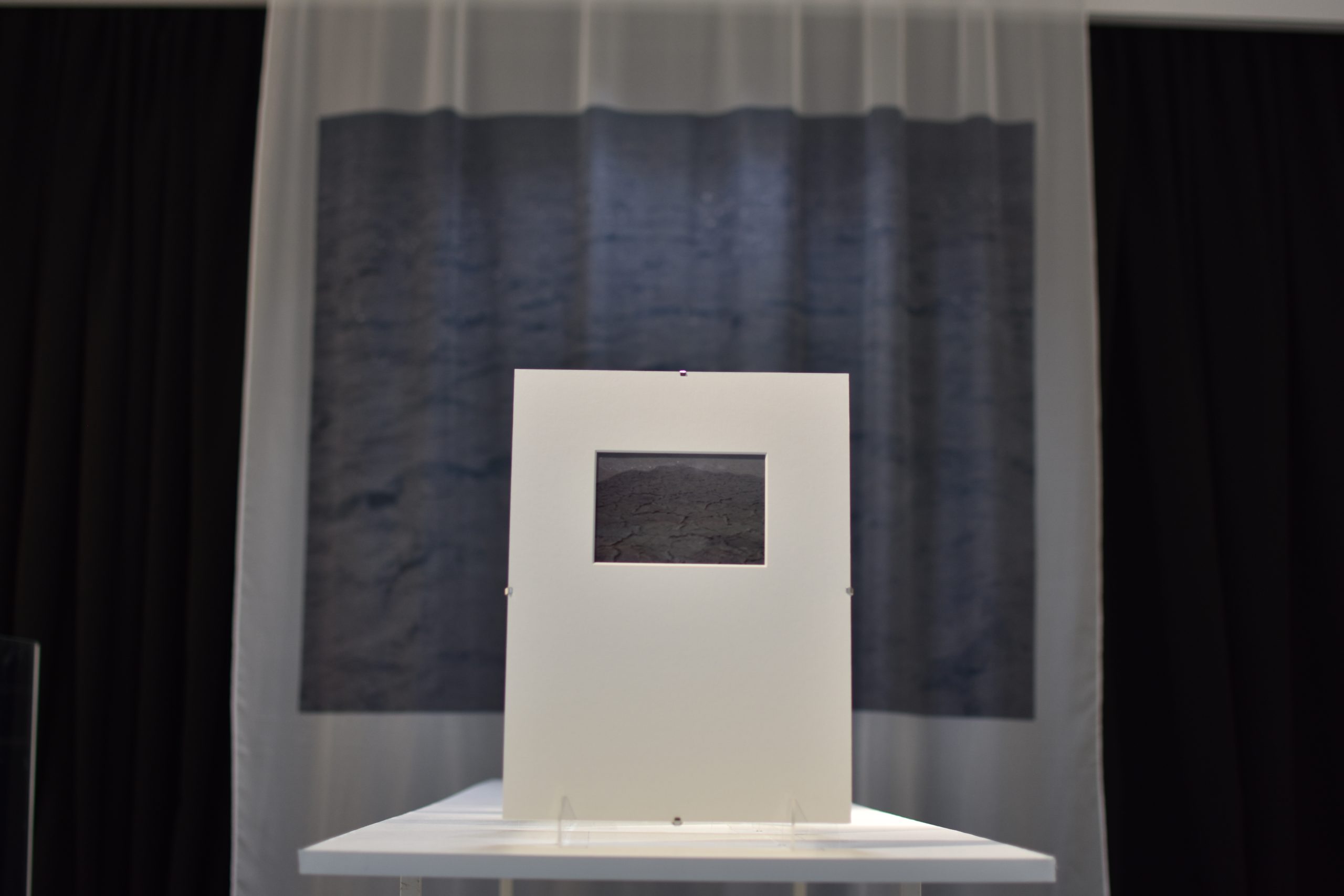
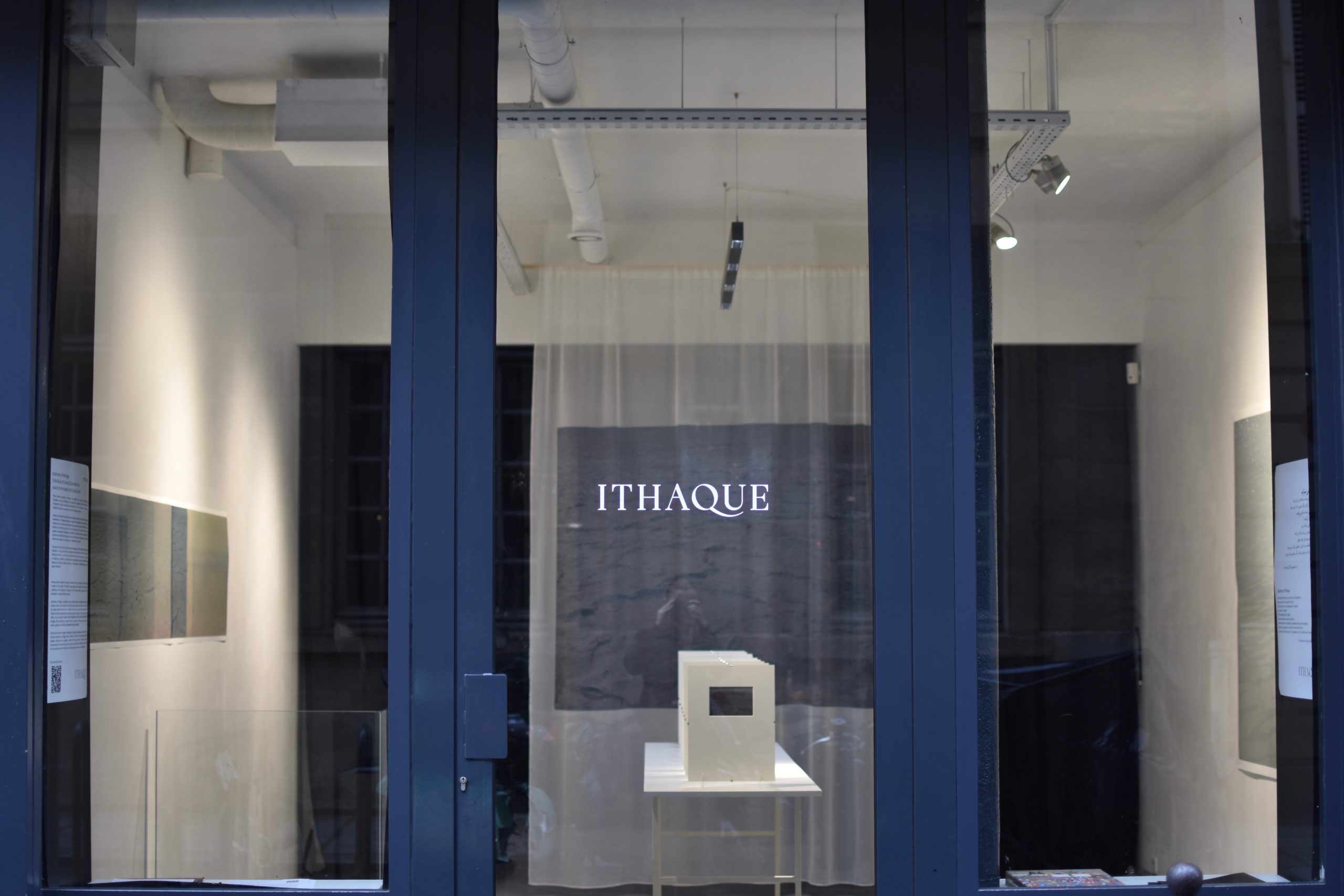
Laboratory of Mirage. Ithaque Paris




.
Thus, the exhibition goes beyond a purely aesthetic frame to participate in a broader reflection on our era. It interrogates art’s capacity to document reality, reveal its fractures, and invite us to imagine other ways of perceiving it. Between memory and disappearance, Laboratory of Mirage opens a space of fragile yet essential resistance, where art becomes not only witness but also actor in an ecology of vision and memory.
.
.
.
.
Learn more :
Dorsa Basij: https://dorsabasij.com/
Golnaz Zibandekhoo: https://www.instagram.com/golnazzibande/
Dorsa Jalali: https://www.instagram.com/quercusly/
Ithaque: https://www.ithaque-paris.fr/
.
.

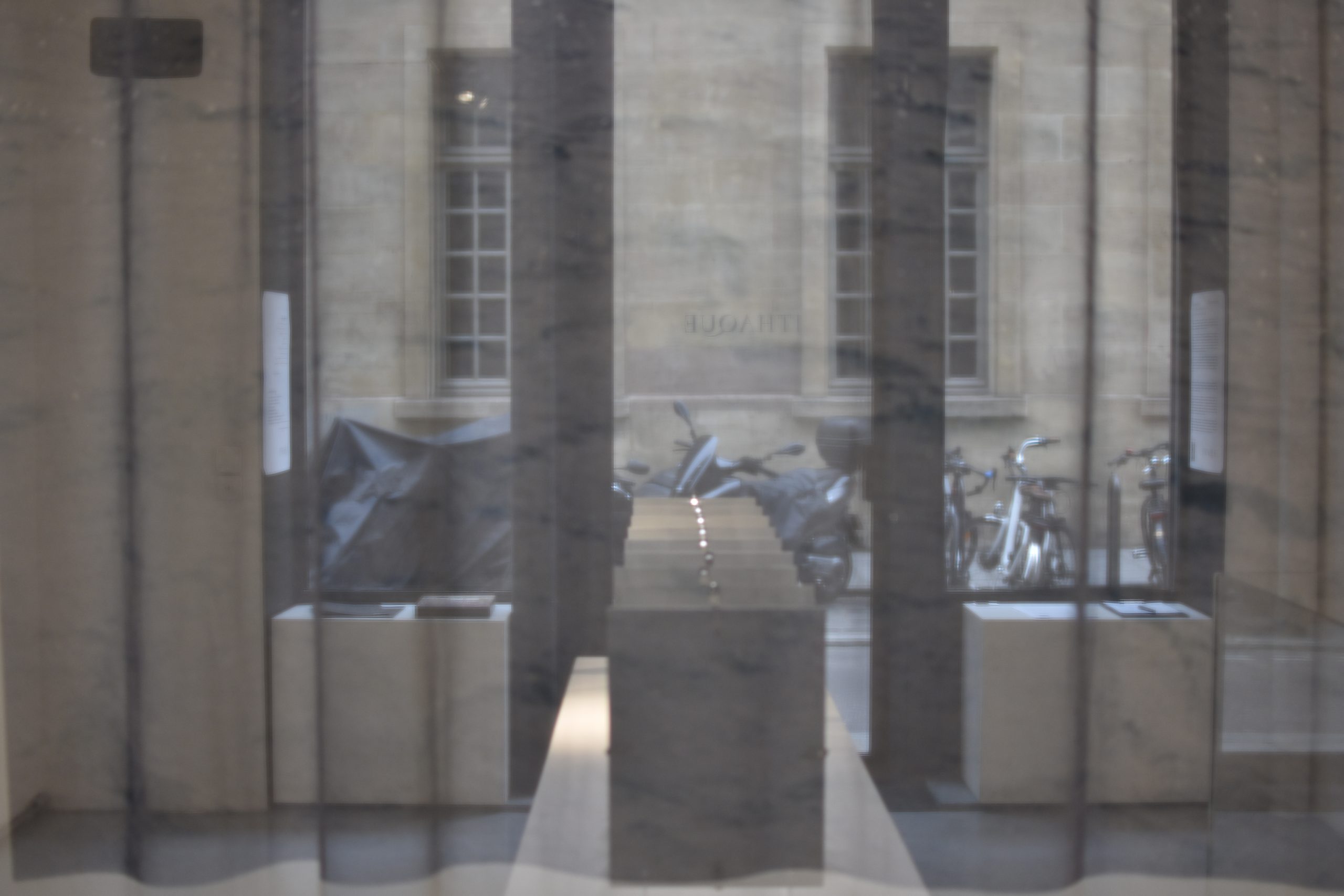
Photographic Laboratory at the Ithaque Gallery, Paris