
at galerie bigaignon
.
Trace of Black
.
.
.
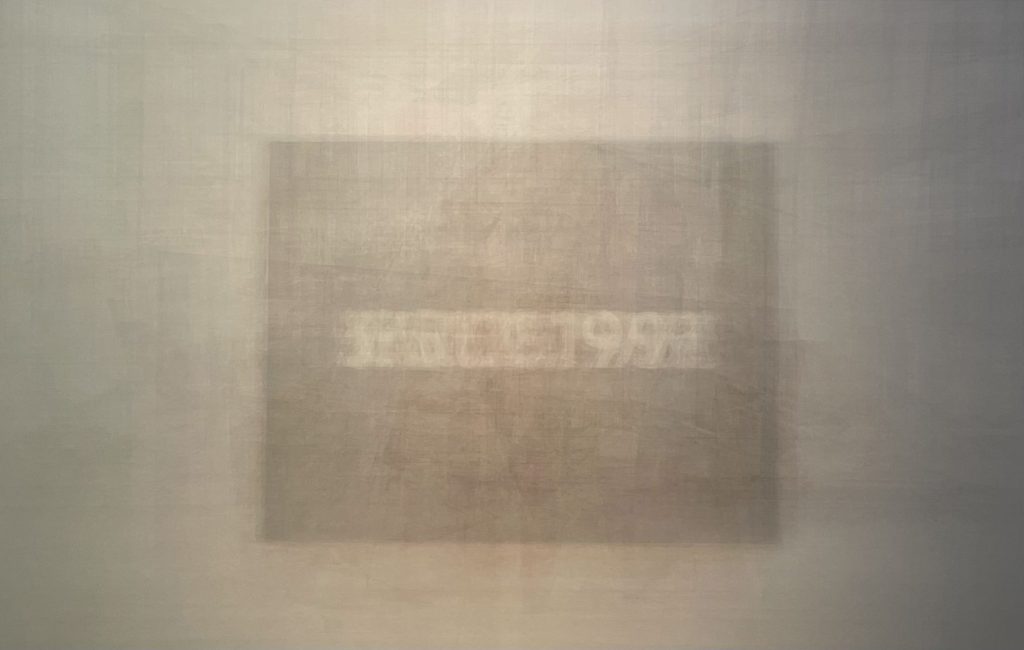
In front of Matière noire, I feel a profound love for black. Black not as absence, but as the ultimate concentration, a space of memory and vertigo. Martin Désilets’ work moves me through its silent rigor and the humility with which he embraces the vastness of art history only to dissolve it. Each state of the work is a slow breath, an invitation to slow down, to see differently, to accept that beauty can brush against disappearance. I deeply admire this patient, almost meditative approach, which transforms the saturation of images into a dense, sensitive, and infinitely poetic material. Matière noire is not merely an exhibition: it is an experience of time, of vision, and of finitude, carried with a rare precision and depth.
.
.

.
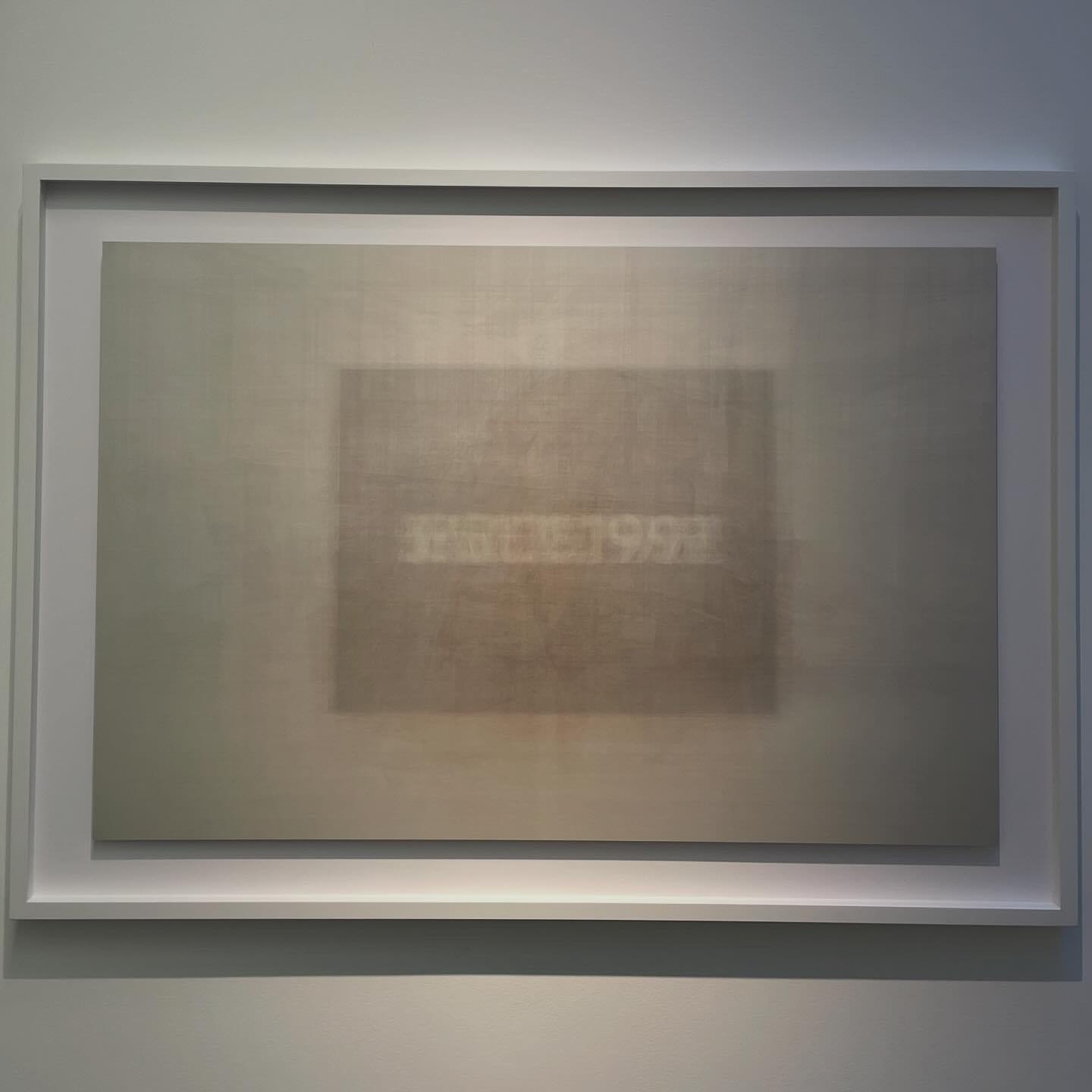
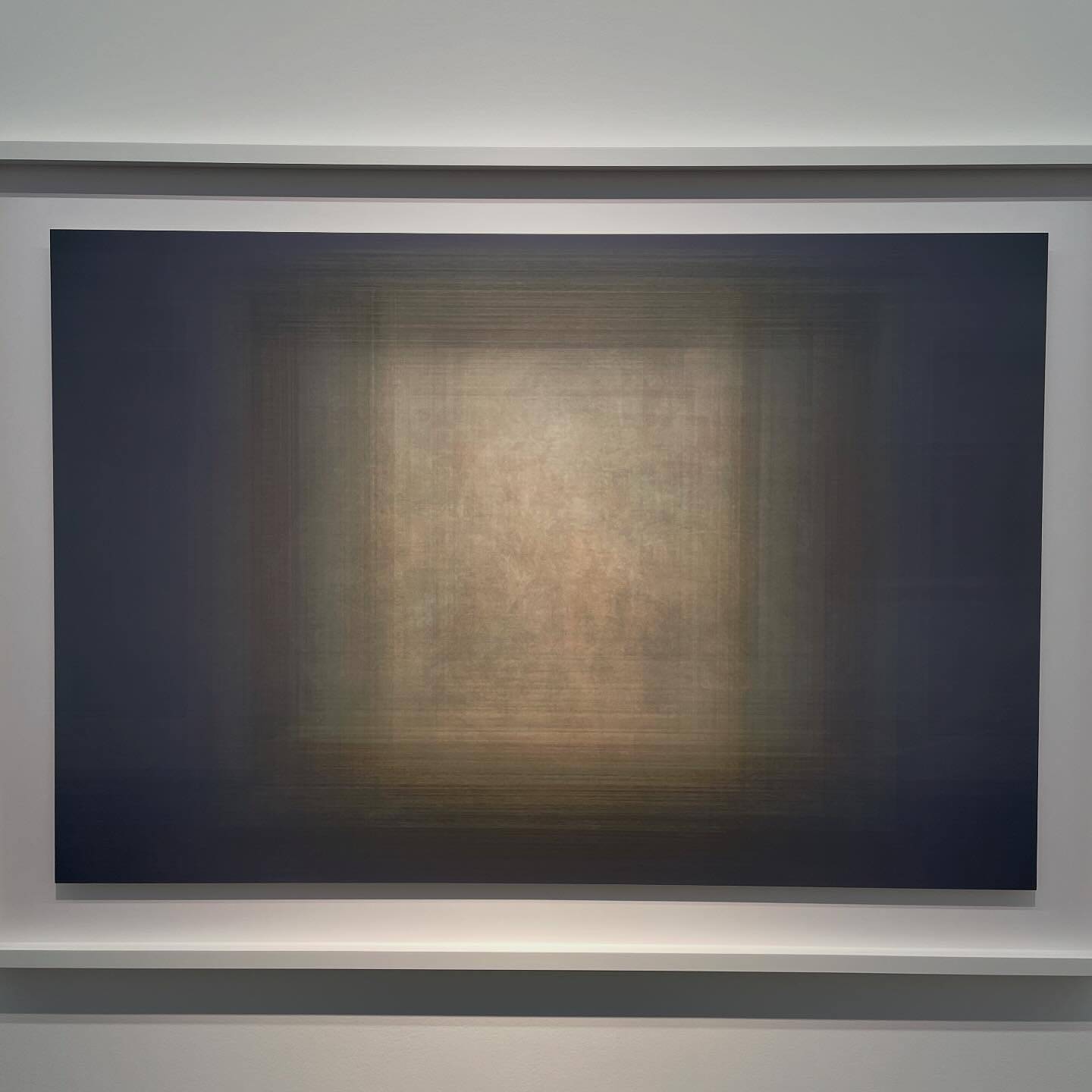
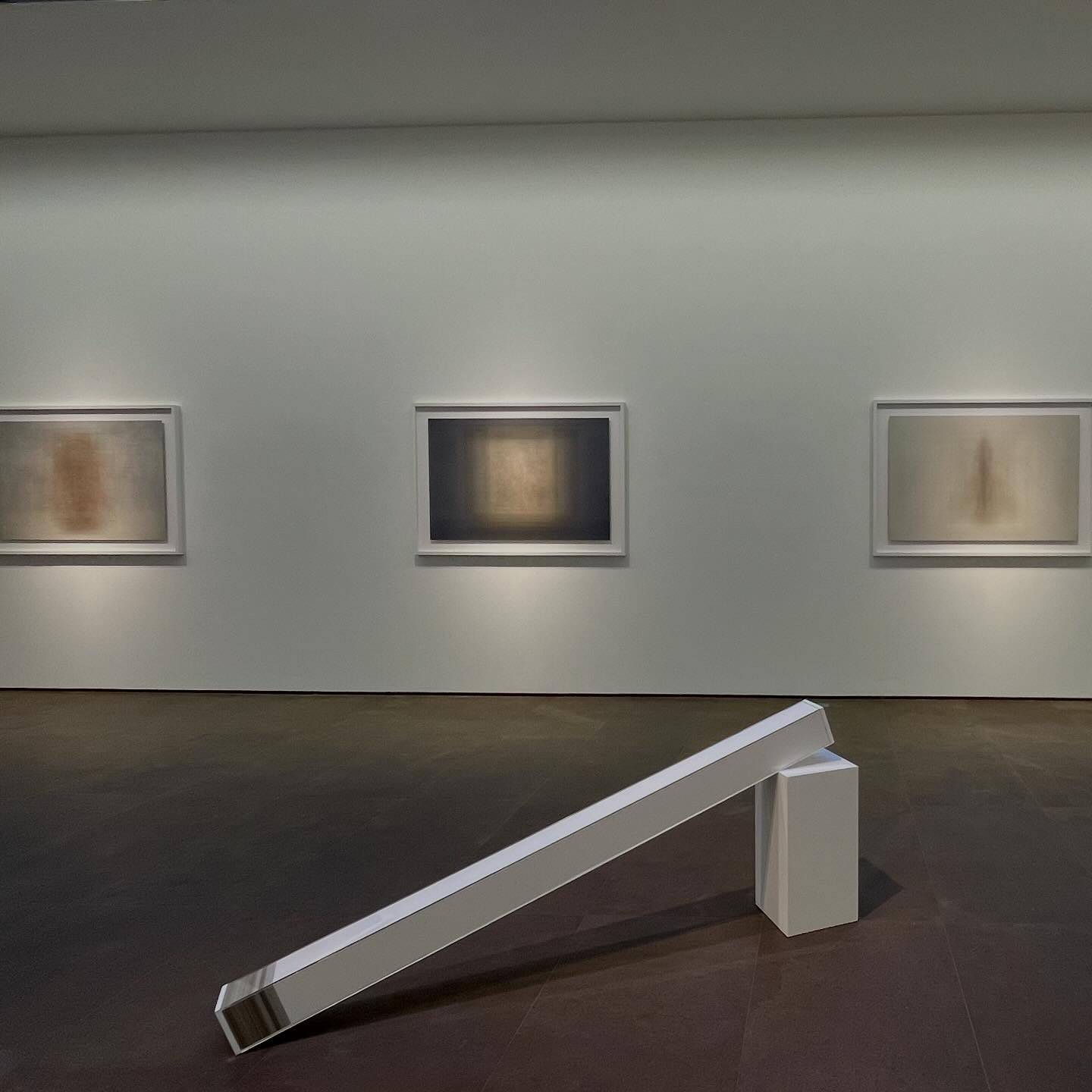
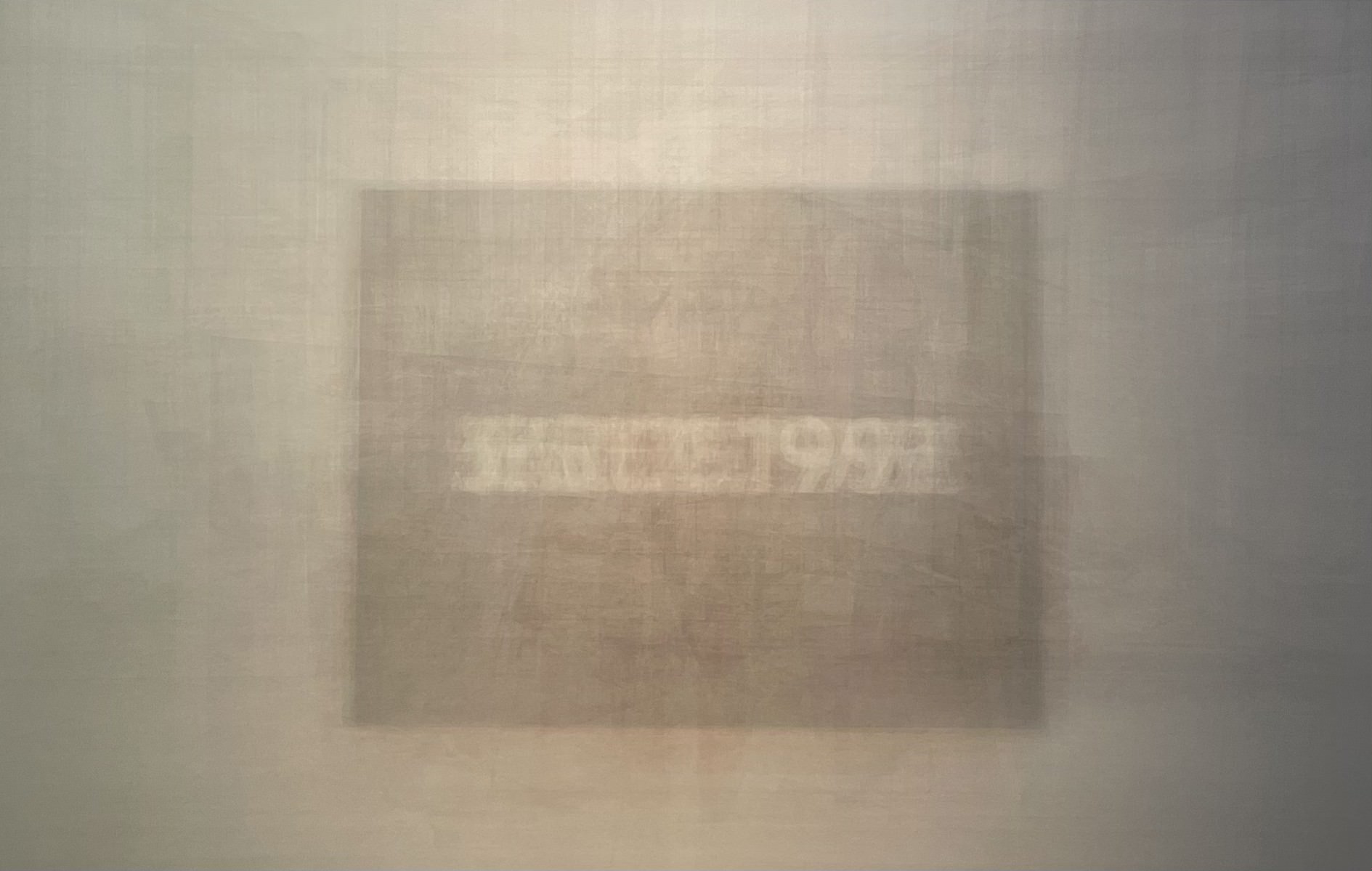
Martin Désilets’ exhibition Matière noire is currently on view at Galerie Bigaignon and will remain open until March 7. This presentation offers a rare opportunity to experience the full depth of his meticulous process and the immersive intensity of his work. Visitors are invited to slow down, engage closely with the subtle variations in the layered surfaces, and reflect on the interplay between accumulation, disappearance, and memory that defines the exhibition. This intensity also stems from the way technique becomes thought. Martin Désilets’ work is based on a rigorous protocol, conceived as a long-term quest. It involves photographing, one by one, modern and contemporary visual artworks preserved in museums and foundations, and then layering them in a single digital file until complete black is achieved. This gesture, at once simple and vertiginous, follows a logic of extreme accumulation, structured by precise steps that dictate the evolution of the work.
.
As the images accumulate, the surface densifies. Each new layer absorbs a little more of the legibility of the source works. Black does not appear as an immediate formal decision but as the result of a gradual burial. A staggering number of images is required for the material to truly become opaque. With each addition, a new state of Matière noire is generated, making the progress of the process perceptible while emphasizing its fundamentally unfinished nature.
.
This protocol profoundly transforms the photographic act. The image ceases to be a tool of capture or reproduction and becomes a gesture of exhaustion. Through repeated superpositions, photography negates itself as an identifiable image and shifts toward a form of pure density. What remains is no longer a readable archive, but a compact, memory-laden material in which each work is present without being recognizable.
.
The resulting black is never uniform. It is worked, stratified, traversed by subtle variations that bear witness to the long time required for its creation. The surface retains traces of the process, marks of a slow decantation. The initial image never completely disappears; it persists in the form of tensions, resistances, and slight accidents that animate the material and prevent any fixity.
.
The relationship to the support and to light plays a crucial role in this experience. Depending on the angle and distance of the viewer, the surface absorbs or reflects light differently. The black opens, closes, eludes. The gaze is no longer sovereign: it must adapt, move, and accept that not everything can be grasped immediately. Technique thus engages the body as much as the eye, transforming perception into a slow and active experience.
.
His approach also recalls certain contemporary photographic practices that question the archive and visual saturation, such as Gerhard Richter’s blurred photographic series or Tacita Dean’s layered archival films. Here, photography ceases to be mere documentation and becomes material and memory, a gesture akin to a “palimpsest,” where each image is buried within the next.
.
In a world saturated by digital images and the constant flow of social media, Désilets offers a radical counterpoint. Whereas contemporary art often leans toward immediacy and spectacle, Matière noire imposes slowness and contemplation. The viewer must accept not grasping everything at once, allowing themselves to be absorbed by accumulation and disappearance. This approach engages with contemporary questions about image overproduction and the diminishing legibility of the visual world. Finally, his work can be situated in a quasi-meditative or philosophical perspective, close to the notions of memento mori, finitude, and suspended time—concepts explored by certain conceptual and minimalist artists. Here, black is not merely a color or material but a space of awareness, withdrawal, and contemplation.
.
This work relies on a profound acceptance of time and uncertainty. The progression toward black unfolds in an extended, almost ritualized temporality. Each work seems to exist in a fragile balance between control and surrender. By accepting the partial loss of the image, Martin Désilets makes technique a space of restraint and silence. Black then becomes an inhabited, dense, almost breathing material, where the visible is never given as certainty, but always to be felt.
.
Matière noire thus unfolds as a space of suspension. Time thickens, vision shifts, and attention builds over duration. In this economy of gesture and this demand for slowness, the work does not seek to impose itself, but to persist.
.
When leaving the exhibition, nothing asserts itself, nothing fixes. What remains is density, slowness, a muted presence. Matière noire continues to act, not as an image, but as a trace.
.
.
.
It is also worth praising galerie bigaignon for the subtlety and boldness of its programming. Presenting an exhibition like Matière noire, which imposes slowness and contemplation in an art market often driven by immediacy and spectacle, is a true curatorial courage. The gallery succeeds in creating a space where experimentation and patience are valued, offering the public a rare encounter with a work that demands time and attention, while asserting its singularity in a competitive artistic context. This trust extended to both the artist and the viewer deserves recognition.
.
.



.
.