
.
Building Bridges, Not Borders.
A conversation with art strategist and researcher Ornela Ramasauskaite
.
.

Ornela Ramasauskaite. Photo: Gabija Morkunaite
.
In a global art world still negotiating questions of identity and representation, Art Across Borders: The Baltic Visual Legacy stands out as an ambitious attempt to rethink how we see the Baltic region. Conceived by art investment strategist, researcher, and writer Ornela Ramasauskaite, the project – supported by the 2024–2025 Baumanis Grant – aims to document half a century of visual creation across Lithuania, Latvia, and Estonia. The online platform seeks to build an informed, comparative picture of these three intertwined yet distinct art scenes, long grouped together under the convenient label of “the Baltics.”
.
With a background that bridges art investment, cultural diplomacy, and academic research, Ornela brings a rare mix of intellectual rigor and market insight to her work. Her research explores how visual culture reflects geopolitical realities and how taste, value, and memory are constructed through art – especially in regions marked by shifting borders and complex histories.
.
We discussed the origins of Art Across Borders, the evolving nature of collecting and accessibility, and how cultural mobility continues to reshape Ornela’s understanding of what defines a truly global art scene.
.
.

.
J.P.: Congratulations on receiving the 2024–2025 Baumanis Grant for your project “Art Across Borders: The Baltic Visual Legacy.” Could you tell us about how this project started and what you hope to achieve with this online platform documenting 50 years of Baltic visual creation?
.
O.R.: Thank you, though the work is very much still in progress! This project emerged from a practical frustration I kept encountering in my work. When you operate internationally in the art world, you quickly realize that collectors, curators, and institutions don’t really distinguish between Lithuania, Latvia, and Estonia. We’re just “the Baltics” – this monolithic entity that supposedly shares everything. But when I started working globally and truly examining our three countries, I discovered something fascinating: we actually do share a lot – historically, aesthetically, culturally. Yet despite these similarities, each of us carries a strong national pride and wants to be presented in a specific way – not as interchangeable parts of a regional bloc.
.
The problem was, there was no well-structured, curated resource to help make informed decisions – whether for art investment or for curators wanting to invite artists to projects. You couldn’t easily find comparative information. So this platform is partly born from necessity.
.
But there’s a more personal dimension too. Living abroad, I’m constantly asked: “What are Lithuanians like?” “What is Baltic art about?” “How does it differ from other post-Soviet countries’ art?” And I realized I wanted a more researched answer – not a feeling-based one – for myself, first of all. I’m fascinated by aesthetics and different worldviews, and I want to explore patterns. Do we have a specific Eurocentric view now that we’re part of the EU? How different are we from other small nations, topic-wise? Does Lithuanian identity really exist, or is it just an illusion – a hopeful construction – and are we simply a small nation of Eastern or Northern Europe like any other?
.
This question becomes especially interesting when I review other post-Soviet Union art heritage and contemporary art, and compare them with the visual aesthetics of post-colonial countries. The parallels and divergences are revealing. This project is about seeing ourselves from a helicopter view, with some critical distance, and creating a resource that serves both practical and intellectual purposes.
.
.

.
J.P.: Your profile is a fascinating blend of academic research – especially your PhD on art investment strategies in the context of geopolitical conflicts – and hands-on curatorial practice. How do you connect these two aspects in your work?
.
O.R.: Actually, I don’t consider myself a curator. I work with art market expertise, art investment and collecting consultancy, and art marketing. Recently, I’ve become more and more interested in writing. My PhD research requires me to read extensively, and my love for art means I’m constantly consuming visual culture. I’ve started to really enjoy unlocking niche ideas in my texts for a mass audience – exploring cultural geopolitics and visual aesthetics as tools for manipulation or memory management, especially in contexts of geopolitical conflict and the global history of imperialism, colonialism, totalitarianism, and autocracy.
.
I’m fundamentally interested in why people like what they like. How are these preferences constructed or supported by visual art? I use visual art as both evidence and as questions for my articles. It’s a form of inquiry.
.
I’m interested in what visual culture tells us about ourselves – both as individuals and as nations – and how our landscape, religion, geopolitical situation, and history shape it. Can we judge a person based on their taste? How does curated art – the kind shown in museums and art fairs – shape society’s visual taste and values, and how does it manage memory of conflicts and history?
.
.
J.P. That’s a really intriguing point! I’d like to return to your curatorial practice, which deserves significant recognition. Despite your deep academic focus, you continue to dedicate time to individual artists – often emerging talents – helping to integrate them into diverse cultural contexts. Could you share more about this aspect of your work? What draws you to these collaborations, and what insights do they offer about cultural exchange?
.
O.R.: This is something I’m actively rethinking, to be honest. There’s a real tension here that I’m still working through. What draws me to work with emerging artists is deeply personal – I’m genuinely fascinated by exploring the artist’s personality, understanding how they create, their motivations, and the psychology behind their work. I never take a contemporary artwork at face value. I have such an allergy to fakeness and superficiality that I always look for the person behind the work – I want to understand their motivation, culture, the reasoning behind the piece. And it can be something as simple as the joy of painting a sunset or a beloved pet! What matters to me is sincerity. That’s why I connect so much with the concept of Metamodernism – this oscillation between irony and sincerity, cynicism and hope. When I mentor artists on topics, conceptualisation, and style exploration, it’s about the “what” and the “why.” This kind of deep engagement with individual artists offers incredible insights into cultural exchange.
.
Working with Lithuanian artists in Azerbaijan, or bringing an Azerbaijani artist to Vilnius, reveals how differently we see the world and how aesthetically entirely different cultural frameworks shape languages. But here’s the complexity: this level of involvement can be emotionally demanding. Young artists – like many young people – can carry a lot of baggage. Some are dealing with deep insecurities, others with narcissistic tendencies, and many are genuinely afraid of success. I’ve realized that I’m not a psychologist, not a savior, and definitely not anyone’s mother. I can offer guidance, mentorship, and strategic thinking, but I can’t fix personal issues that go beyond the professional relationship. So I’ve made a conscious choice: I prefer to work as a consultant or mentor rather than as an artist’s representative or gallerist. This allows me to stay honest and uncompromised. I can recommend the best artwork or the right artist for a project without any obligation to push someone for financial gain or personal friendship. That independence is essential to my integrity.
.
Cultural exchange through these collaborations is incredibly valuable – it challenges both the artists and me, and it creates genuine bridges between contexts that might never otherwise connect. But I’ve learned that I need to protect my energy and work only with people whose values align with mine and who are ready to meet the opportunities with professionalism and respect.
.
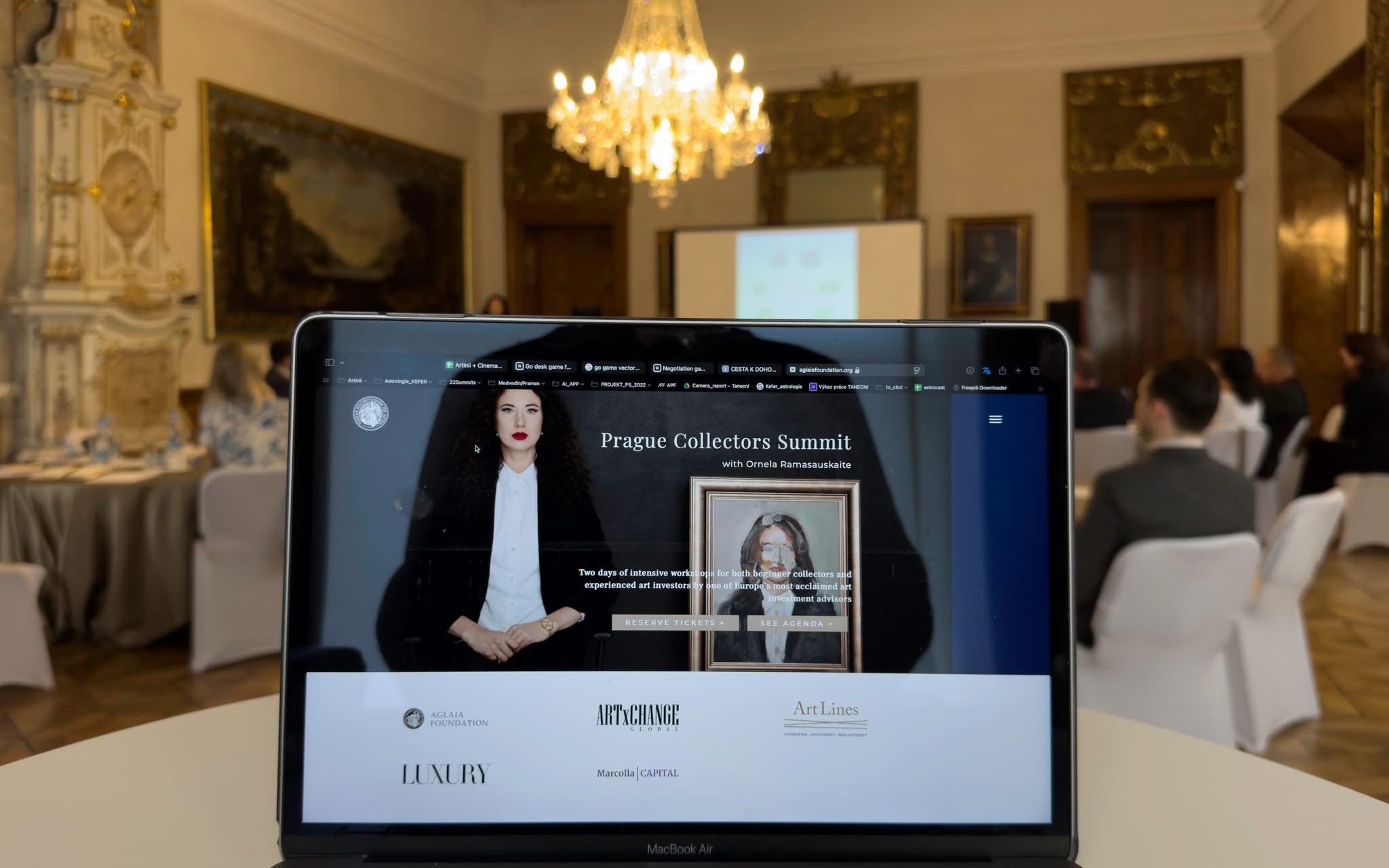
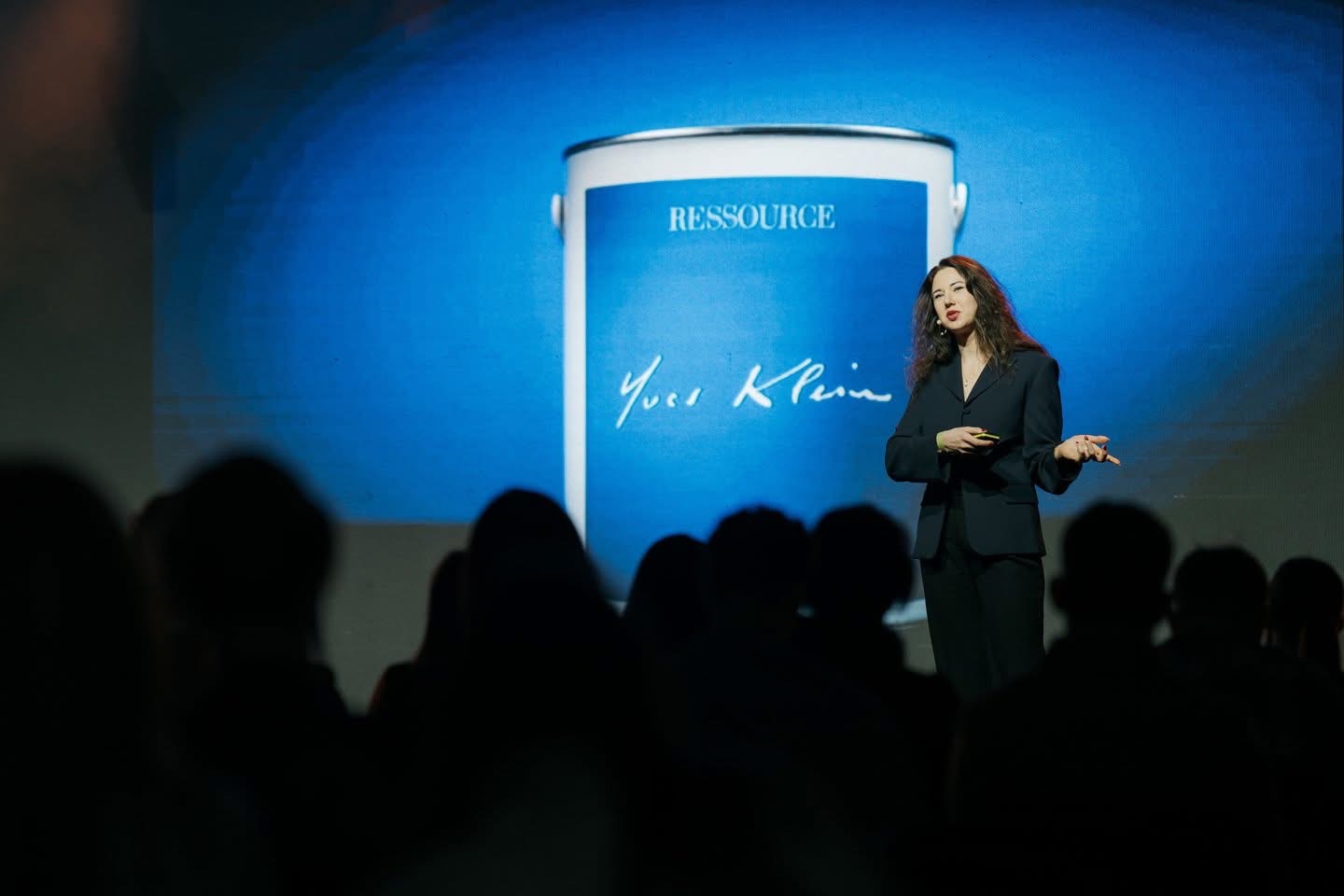


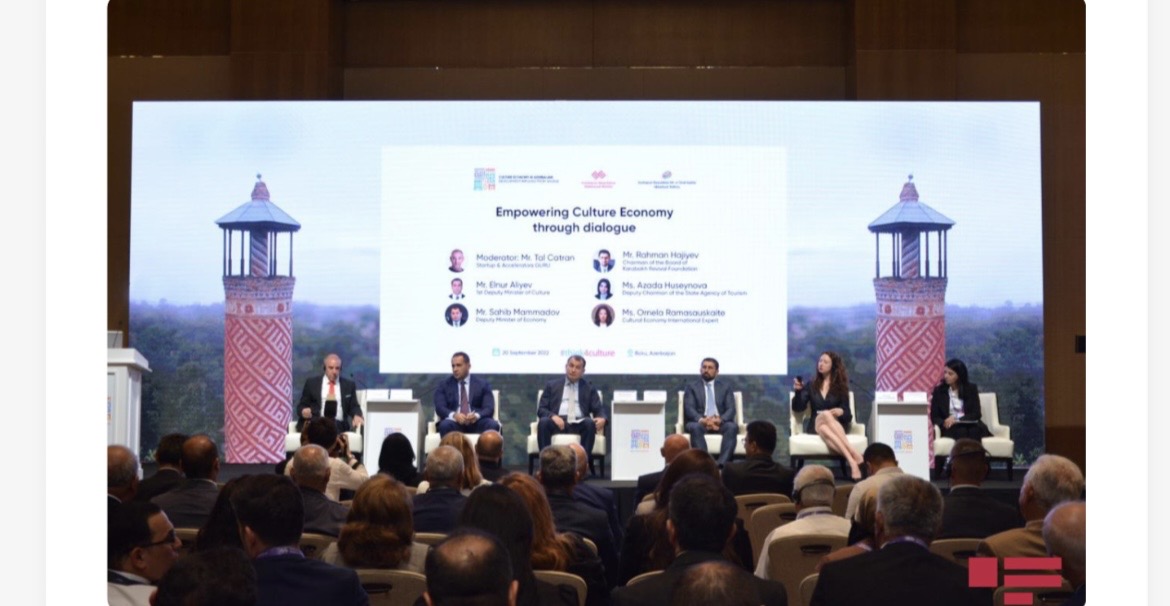


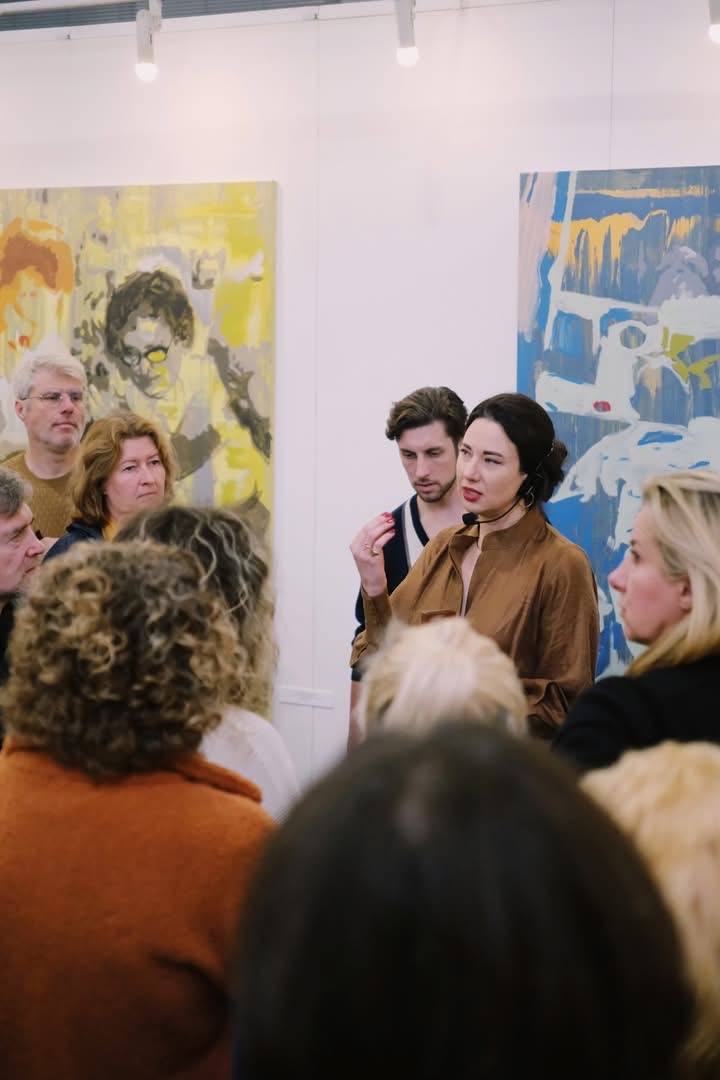


.
J.P.: You’ve received significant international recognition, such as “Leading Female Figure in Art Wealth Management” and “Art Investment Strategist of the Year – Europe.” How does it feel to become a reference figure in a field often seen as very exclusive?
.
O.R.: At this stage of my life, what matters most to me is being true to myself. I have my own perspective, and I want to work with people who genuinely appreciate it. Titles? They’re not what drives me anymore – though I won’t deny that recognition serves a practical purpose in today’s world. We need it for visibility, for opening doors, for connecting with the right people.
.
Regarding being a “figure in an exclusive field” – yes, it’s an important point to address. This is a man’s world, literally. Moreover, it’s a world of privilege, where education, social status, and nationality matter significantly. I used to love art so much that I was naive and refused to see these dynamics. That naivety actually helped me a lot – sometimes not seeing the barriers allows you to walk right through them.
.
.
J.P.: You’ve often spoken about wanting to demystify art investment and make it more accessible. In your opinion, what are the biggest barriers to overcome to encourage new collectors?
.
O.R.: This is interesting because my thinking has evolved significantly over the years. For about 15 years of my career, I believed that people should either trust art advisors and investment experts or educate themselves seriously before buying artwork. It’s always possible to find relatively affordable artworks with investment potential.
.
But now, with age and experience, I’ve become much more flexible. I think people can buy whatever they want – they’re spending their own money, after all.
.
What concerns me more is encouraging new collectors in the first place. I genuinely wish more people would start buying art – from elders who think it’s too complicated or that they can’t afford it, to young people who don’t have this habit or example in their immediate environment.
.
The barriers are primarily psychological. People overthink it – they believe it’s too complex, too expensive, or that they should wait until “later.” Some think it’s only for the elite or very well-educated people. But this is nonsense.
.
What we need are more visible examples, more awareness, even a trend or prestige around buying art as part of one’s lifestyle, the same way travelling became normalized. Buy fewer shoes but buy some art – it reveals so much about your personality and values. We need to shift the cultural conversation so that owning art isn’t seen as elitist but as a meaningful way to live with beauty, ideas, and creativity in your daily life.
.
.

.
J.P.: At the IPMA festival, you described AI not just as a tool but as an integrated part of our lives. How do you see the role of artificial intelligence in the art world today?
.
O.R.: AI is definitely becoming integrated into various aspects of the art market. There are now many startups and tools that analyze art market data to predict potential investment returns, help collectors search for specific artworks online, create digital twins of artworks, or analyze data for restoration purposes. All of this has a valuable impact.
.
The only area where I see real deception is when someone announces that AI can autonomously evaluate the price of an artwork. This is impossible without human expertise because there are too many variables – provenance, condition, market timing, collector psychology, institutional validation, geopolitical factors. These require judgment that goes beyond pattern recognition.
.
But for research, for making connections across vast datasets, for helping collectors discover artists they might never have encountered – these are areas where AI can be genuinely helpful. It’s a tool, and like any tool, its value depends entirely on how intelligently and ethically it’s deployed.
.
.

.
J.P.: We’ve touched on this project a bit in one of the earlier questions, but I’d like to return to it once more. Your project “Reimagining Memories” during the Lithuanian Art Week in Azerbaijan created a cultural bridge between countries. What were the most meaningful lessons you took away from that experience?
.
O.R.: It was a very complex project with essential lessons – some quite uncomfortable, to be honest.
.
First, I faced many biases and intellectual limitations that people carry. I encountered everything from people judging other nations based on their limited knowledge, to a snobbish, somewhat post-colonial attitude towards specific regions – viewing the Caucasus through a condescending lens. I saw many cases of the Dunning-Kruger effect from a Lithuanian perspective – people who knew very little yet were absolutely confident in their opinions.
.
I also experienced different management styles in the Caucasus – more autocratic than what I was used to – and dealt with very specific bureaucracies. These aren’t value judgments; they’re just different operational realities you have to understand and navigate with respect.
.
But perhaps the most important lesson was this: I will no longer collaborate with people whose values don’t align with mine. There are enough talented artists in the world. As a project organizer, I have a responsibility to promote those who also have decent values and treat people with respect. Talent doesn’t excuse poor character or behavior. This might sound uncompromising, but I believe the art world has been far too forgiving of terrible behavior in the name of genius. We can do better, and we should.
.
.
J.P.: You also organized portrait painting workshops in Azerbaijan around the idea of “slow time.” Can you tell us more about this connection between slowness, introspection, and visual art in today’s fast-paced world?
.
O.R.: I think the best state is when slow living and the contemporary world are in balance – when a person can be aware of when to switch and not get stuck in inertia. Both speed and slowness can become habits, and neither is healthy in excess.
.
I love visual art for different reasons, and I particularly love it as a process. There’s something profound about watching how a painting is born – from the idea stage to its completion. Choosing art consciously – maybe commissioning a portrait of yourself or a friend – experiencing the painting process and the way another person sees you – this is so different from the selected, filtered selfies we post online.
.
I think a lot about habits themselves. If we become even slightly more aware of what we consume – from visuals to information to food – the impact on our lives can be huge. Small habit changes can have a significant impact: instead of scrolling Instagram for 2 hours, visit an art exhibition. Instead of buying a tenth pair of shoes, save that money for an artwork. Instead of asking for a massage voucher or an expensive candle for a birthday gift, ask for a small painting.
.
There’s no need to change the speed of our lives radically – sometimes we can’t – but I invite people to be more aware of what we focus on and how we behave. That awareness itself is transformative.
.
.

.
J.P.: In projects like “Art Across Borders,” you bring together both contemporary and historical artists. How do you select these artists, and do you also try to ensure balance in terms of gender representation and eras?
.
O.R.: I approach it as a researcher. I decide what I want to present – it’s my right to present my view – but I also set criteria to create a framework. This prevents it from becoming purely arbitrary.
.
Yes, one of the criteria is gender balance, but I’m not a big fan of choosing artworks solely based on gender. I keep it in consideration, but I want to focus on the message and artistic quality first. I’ve written about this tension before – the fine line between creating conditions for representation and creating segregation, as if certain artists need special categories because they can’t compete otherwise.
.
What interests me more is examining patterns: are there aesthetic differences that correlate with gender? With generation? With geography? These are research questions, not quotas. The selection process should remain rigorous and thoughtful, not mechanical.
.
.
J.P.: Your work now takes you across several continents. How does this cultural mobility enrich your thinking about the global art scene?
.
O.R.: Oh, that’s the biggest thing in my life right now. Many people travel or live in multicultural cities, but not that many truly immerse themselves in conservative or somewhat exotic countries where there are very few foreigners from the Western world. I’ve lived in Pakistan, Moldova, Crete (Greece). Now I’m based in Azerbaijan, and I travel extensively – sometimes I change five countries in a month.
.
This has fundamentally changed how I see the world. I’ve had to completely rethink my understanding of aesthetics, art market standards, the role of institutions, the profiles of art market players, and collector preferences. The art world is much more complex than what we read in the main art market reports. There are many more markets, and they’re driven by particular factors that don’t fit Western models.
.
I’ve noticed that in many cases, it’s nearly impossible to bridge some art markets or artists with global art market capitals because of complex issues, starting with mindset gaps. The assumptions are just too different.
.
At the same time, I’m frustrated because a country’s government or a wealthy collector could absolutely invest in making a national artist into a global star with strategic focus. But this is rarely done systematically with contemporary artists. There’s so much untapped potential, so many incredible artists who will never be discovered simply because they’re working in the “wrong” geography.
.
This mobility has made me more critical of the supposed universality of Western art world standards. They’re not universal – they’re just dominant. And that dominance is maintained through systems that have very little to do with artistic quality. Understanding this doesn’t make me bitter – it makes me more determined to create alternative pathways.
.
.

.
O.R.: I’ll be honest with you: this is actually a perfect example of something I’ve noticed repeatedly in the art world – sometimes prestigious titles or board positions don’t mean much. The reality is often much more mundane than the perception.
What I’ve learned, both from this experience and others, is that the art world is tiny and operates on a concentrated network of relationships. It doesn’t matter if you’re managing a historical artist’s legacy or launching a contemporary artist’s career – success depends less on the significance of your mission or the quality of the work, and much more on whether you’re connected to the right decision-makers. If you’re not part of those inner circles, your impact remains limited, regardless of how important your project might be.
This isn’t unique to any one institution – it’s a structural reality of how the art market functions. We have this romantic idea that quality and historical importance speak for themselves. Still, in practice, everything depends on networks, validation from key players, and continuous visibility in the right circles.
Understanding this reality has been incredibly valuable for my research. My PhD focuses specifically on how an artist’s nationality – particularly when they come from a conflict zone – affects decision-makers; choices to buy their work and the potential return on investment. What I observe in practice confirms my research findings: collectors and institutions aren’t just evaluating artistic quality. They’re calculating risk, considering geopolitical stability, weighing reputational factors, and often unconsciously filtering based on an artist’s origin.
An artist from Azerbaijan, Israel, or Ukraine faces completely different market dynamics than an artist from France or the US, even with identical talent levels. The exact mechanisms that keep certain foundations and institutions on the periphery also marginalise artists from “wrong” geographies – not because of their work, but because of systemic biases and risk calculations that have little to do with art itself.
So while it might sound disillusioning, this knowledge is clarifying. It makes me more realistic about what’s possible within existing structures and more committed to finding alternative pathways. Because if the traditional system is this dependent on insider relationships and unconscious geographical biases, then creating new networks and platforms becomes even more essential for artists who don’t have access to those circles.
At least I’m clear-eyed about how things actually work, rather than believing in myths about meritocracy in the art world.


.
J.P.: What upcoming projects are you most excited about, or which areas would you like to explore further in the near future?
.
O.R.: I’m most excited about my writing. I have a Substack channel where I’m developing ideas for a broader audience – not academic texts, but deeper explorations of topics that match our current complexities. I want to bring cultural geopolitics, memory management, and visual culture into conversations that feel relevant and understandable to people outside academia; it could become a book.
.
I’m also finishing my dissertation and hope to publish a monograph. I have a genuine hunger for expertise – especially in our times when everyone claims authority on everything. Research gives me that solid foundation. I’m particularly interested in how visual art functions in peacebuilding processes – helping nations or ethnicities navigate conflict (political, racial, religious, historical) and create narratives for future generations.
.
Culture is constantly used as soft power, but it doesn’t get enough critical attention. The power of memory management and coding messages in visual art is enormous, especially in post-conflict societies, but also in teaching future generations to be more tolerant and resilient.
.
Long-term, I dream of building a collection or even conceptualizing a new kind of museum – one that addresses our moment’s complexities: globalization, migration, digital culture, geopolitical tensions. A space that teaches how to respect different cultures, reconsider aesthetic standards, and create something genuinely new. I love polished manners in people, but not in institutions, which should present a bold vision and not be afraid to engage with the world as it actually is.
.
J.P.: Thank you.
.
.
