
.
.

.
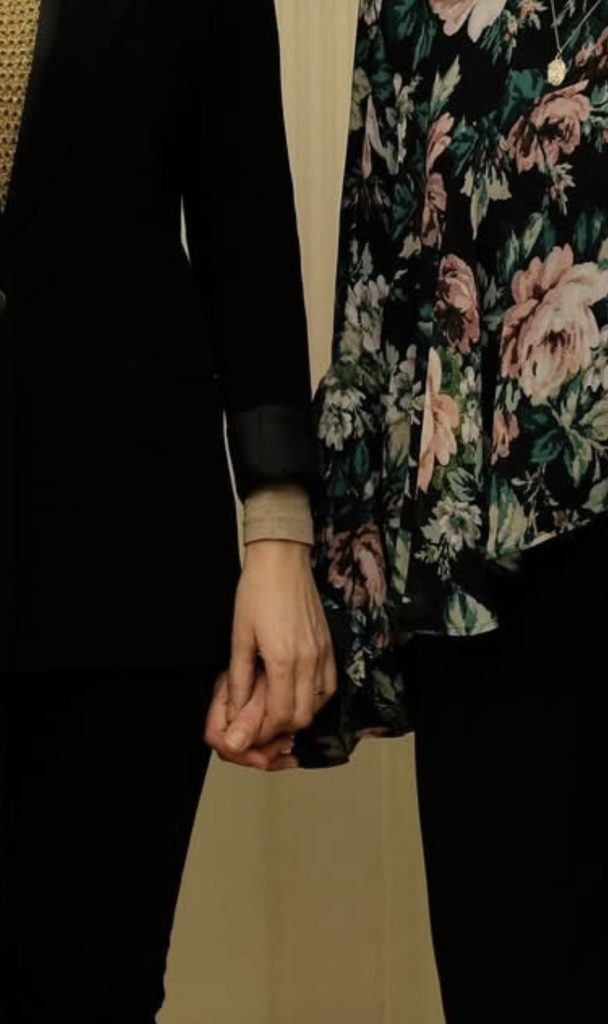
After nearly twenty years of curatorial practice, I found myself in a singular position: curating the exhibition of my mother, the painter Lidija Dailidėnienė. This situation—both evident and deeply unsettling—forced me to reconsider concepts I had long assumed to be stable: professional objectivity, critical distance, and the legitimacy of the curatorial gaze. Can one be a curator “like any other” when sharing with the artist an intimate history, a family memory, a common emotional landscape? And conversely, can one truly claim absolute neutrality toward any work of art?
.
Curating has never been a neutral act. Every exhibition is a situated construction, the result of choices, hierarchies, and relationships. When the biographical link between curator and artist is explicit, this usually implicit condition becomes immediately visible. Proximity can no longer be concealed; it must be thought through, acknowledged, and worked with.
.
.
The title of the exhibition, Topography of Inner Nature, offers a particularly apt metaphor for this situation. Topography does not reproduce territory; it proposes a reading of it—an oriented abstraction that makes certain structures and intensities legible. In the same way, curatorial practice does not mirror the work; it traces a possible cartography of it—always partial, always situated.
.
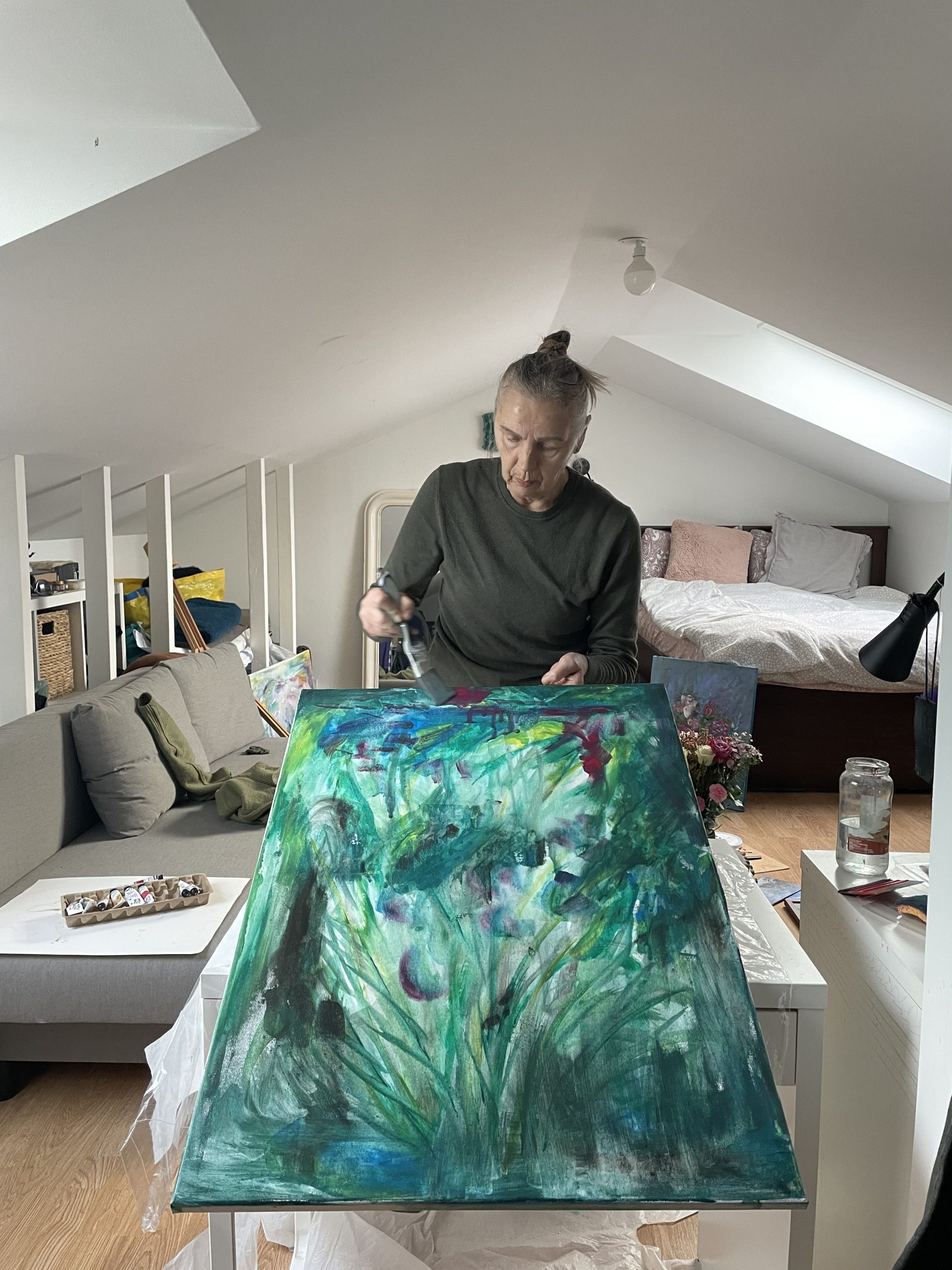
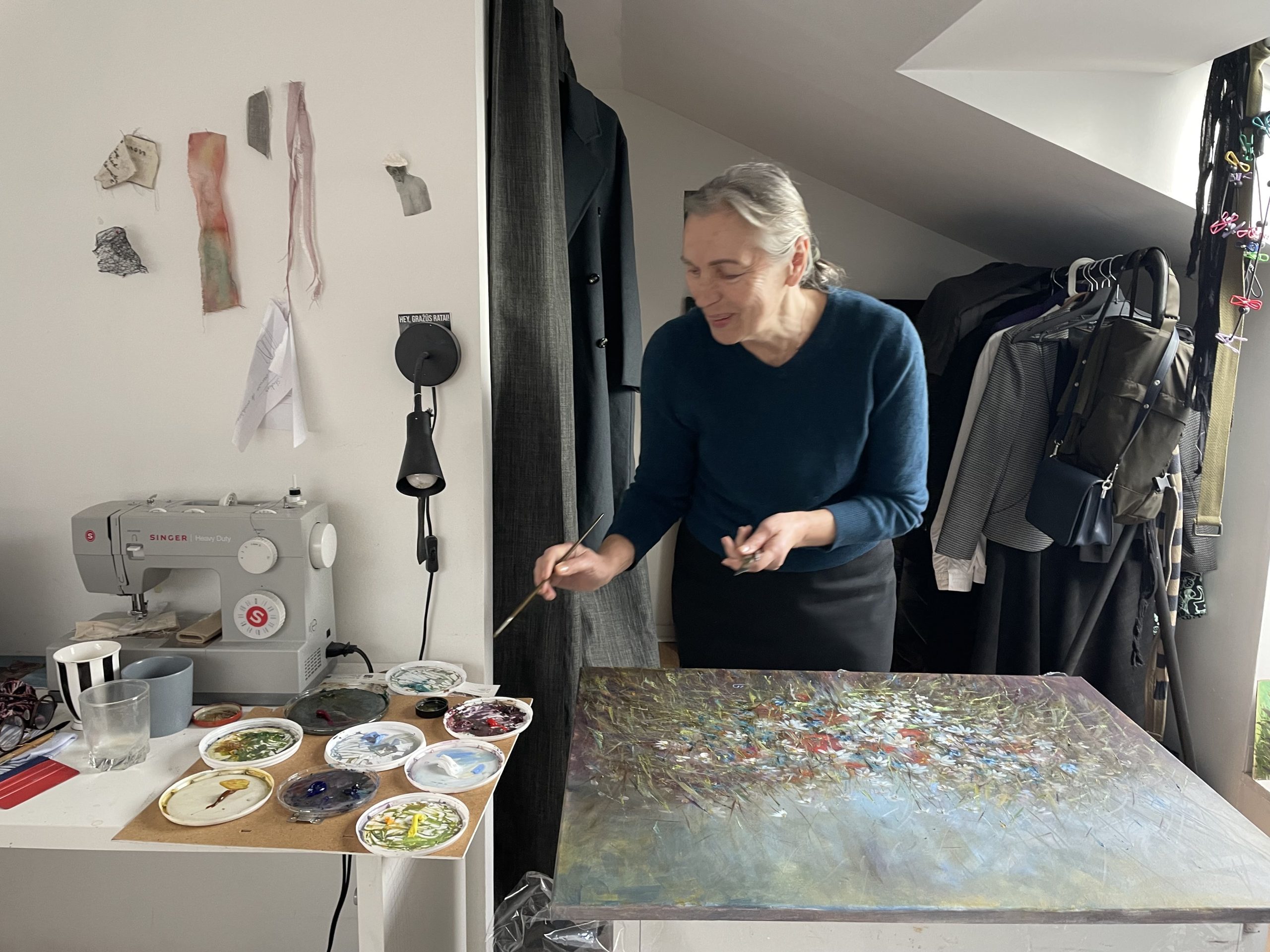
Lidija Dailidėnienė’s painting unfolds within a register of silence and slowness. Natural motifs—reeds, bodies of water, expanses of sky—are never descriptive. They function instead as carriers of inner states, of breathing spaces, of almost imperceptible movements. The brushwork is free yet measured, the palette harmoniously restrained. Each painting offers a pause: a contemplative space in which what matters is not what is depicted, but what is experienced.
.
In this context, the role of the curator cannot be reduced to that of discursive overdetermination, where the exhibition functions primarily as a vehicle for imposing a single, authoritative interpretation. As Paul O’Neill has observed, contemporary curatorial practice increasingly resembles a relational practice, one that emphasizes the conditions of experience over the imposition of predetermined meanings. In my case, this relational approach intersects directly with proximity: the personal and familial connection to the artist makes it impossible to claim a neutral or distant stance. Yet rather than a limitation, this proximity can become a productive point of tension, demanding heightened reflexivity and careful ethical attention.
.
Curating an exhibition under these conditions requires a position of listening—attuning not only to the works themselves, but also to the subtle rhythms of the paintings, the silences between brushstrokes, and the understated gestures through which meaning and emotion emerge. It requires attention to how the works inhabit space, interact with one another, and engage the viewer, while simultaneously negotiating the intimate knowledge one already carries of the artist and her practice. The task of the curator, then, is not to dominate or overexplain, nor to project a personal narrative, but to facilitate an environment in which the works may speak for themselves.
.
Affective proximity—here, the personal and familial connection to the artist—is often seen as a potential threat to professional objectivity. Yet, within the framework of relational curating, this proximity can instead become a productive point of tension. As Pierre Bourdieu reminds us, the very notion of neutrality often masks a set of unexamined dispositions, assumptions, and cultural habits. Acknowledging proximity does not weaken the curatorial act; rather, it necessitates heightened reflexivity. In practice, this means that every curatorial decision—whether regarding the selection of works, the arrangement of space, or the phrasing of interpretive text—must be consciously measured. Each choice should be justified not on the basis of personal sentiment or familial loyalty, but on its capacity to illuminate the work itself and to foster meaningful engagement with the viewer. In this way, proximity becomes a lens rather than a bias, a way of deepening insight into the work while maintaining a careful ethical and professional framework.
.
.


.
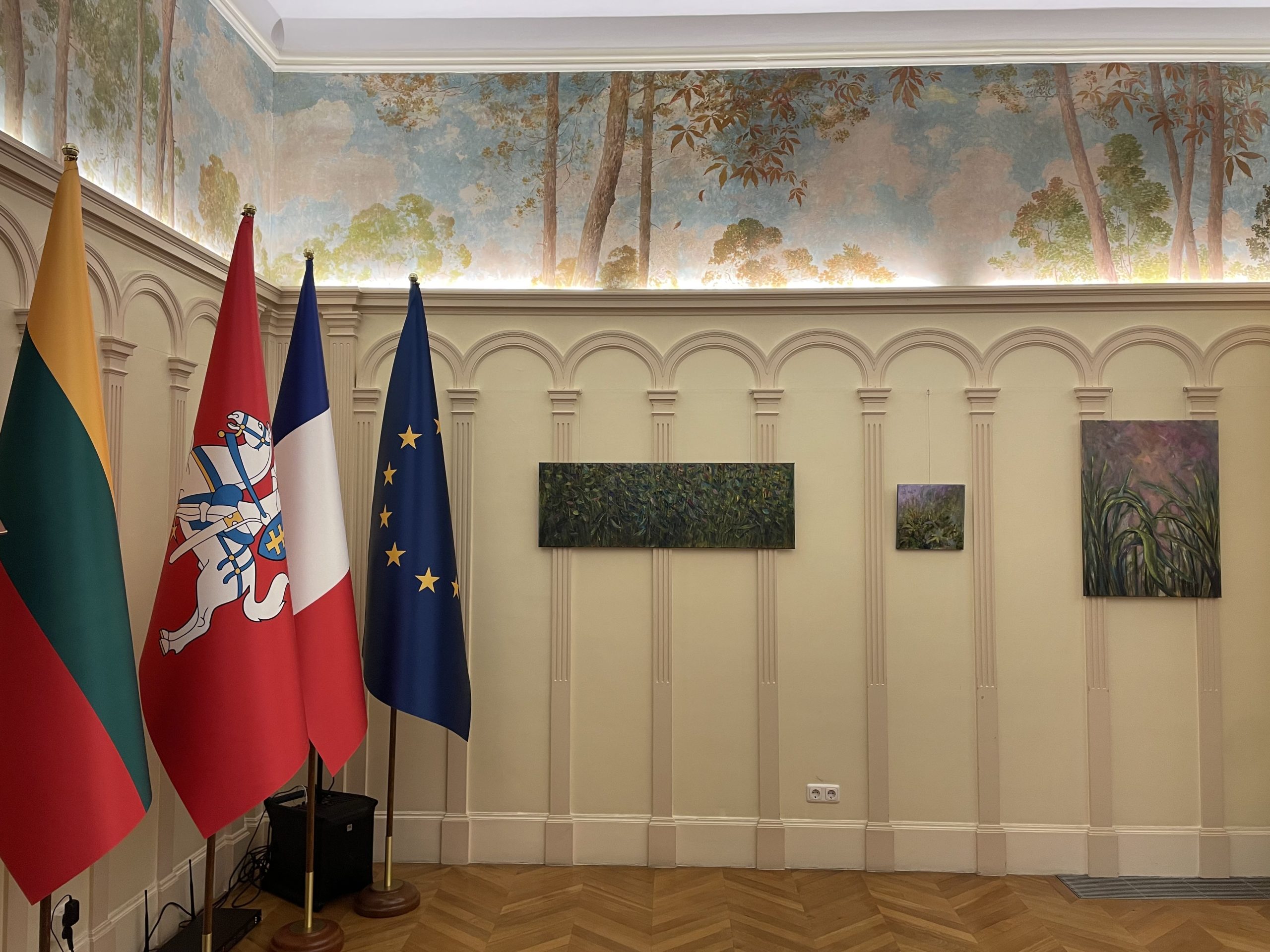
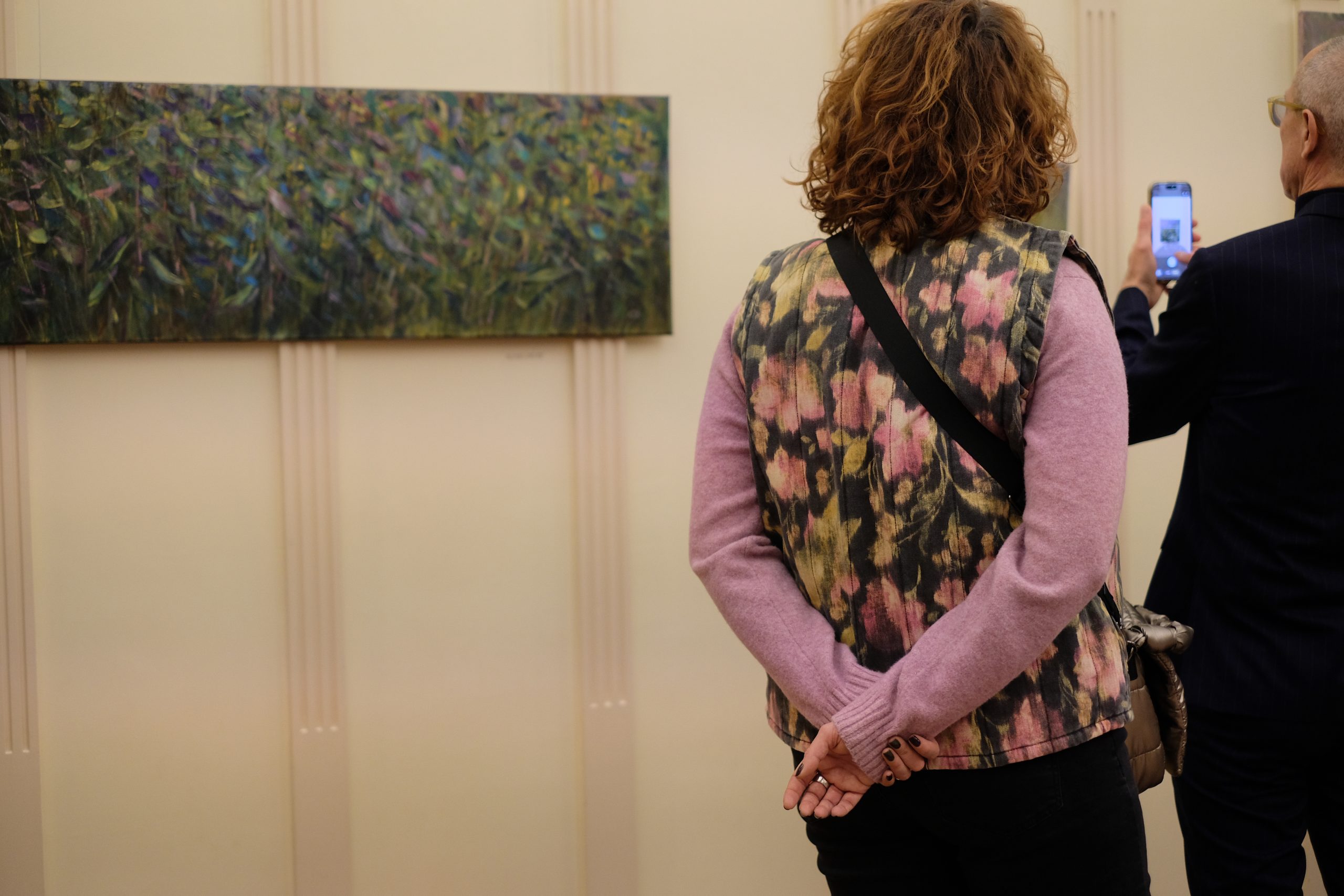
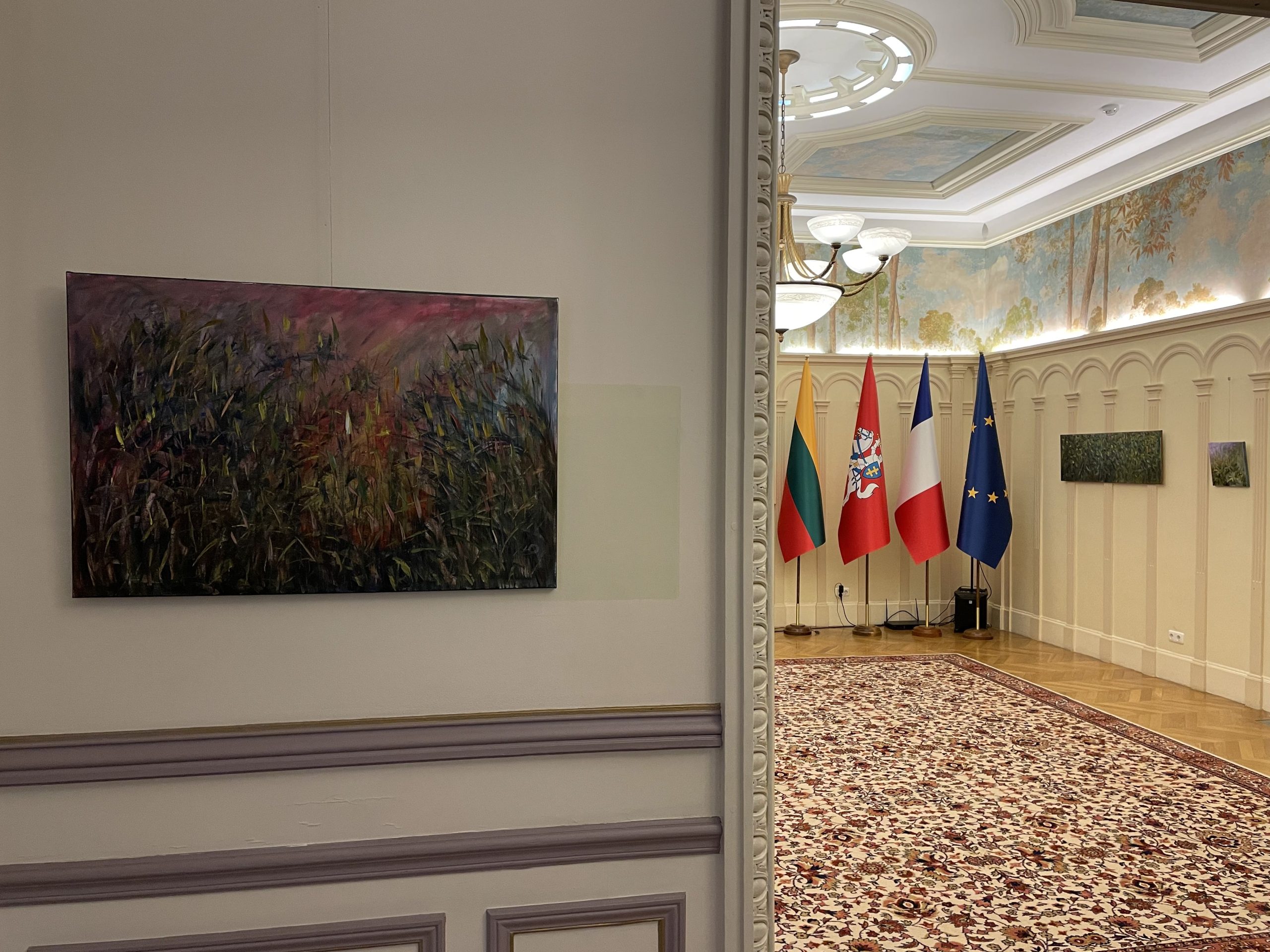
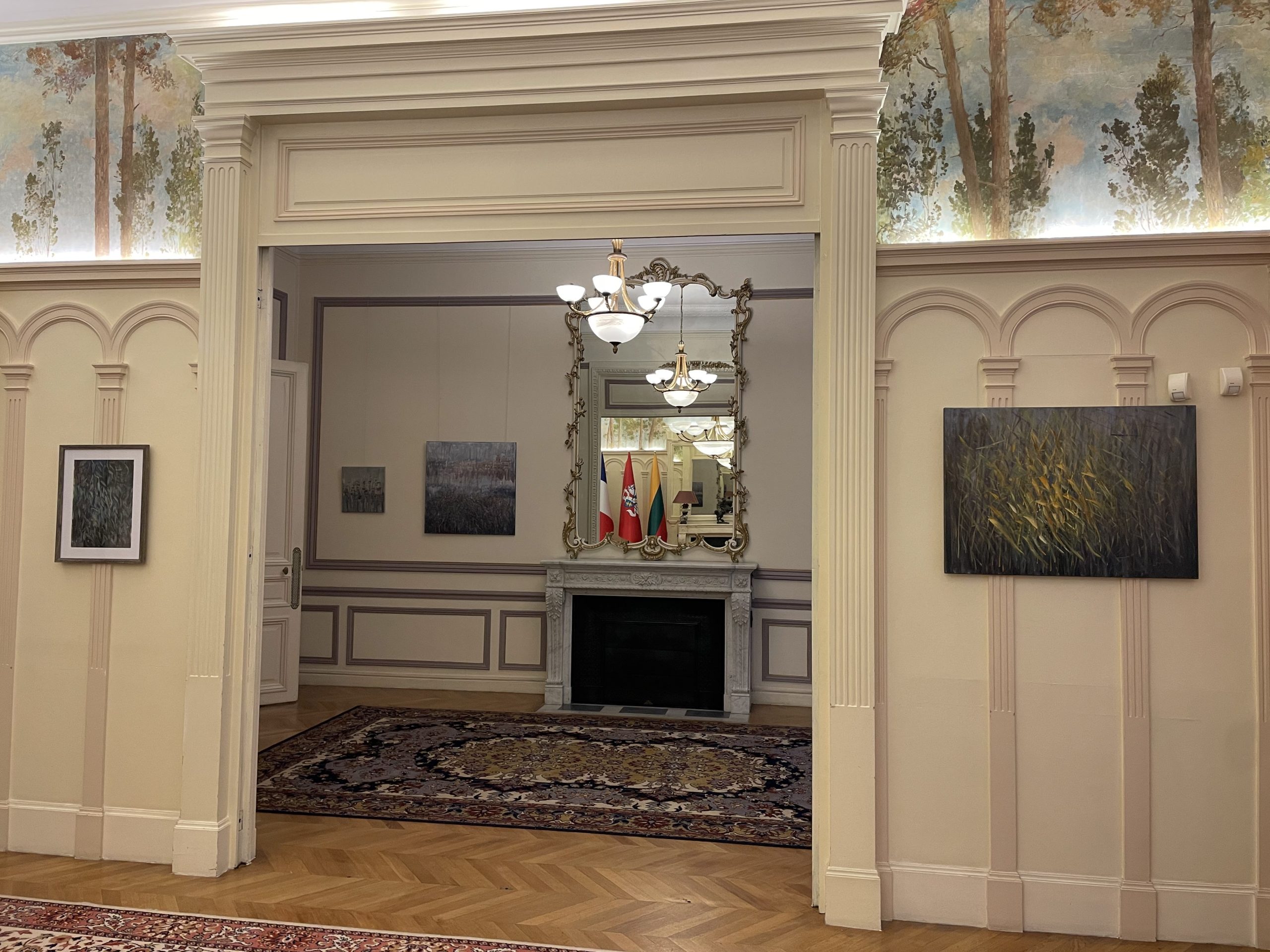
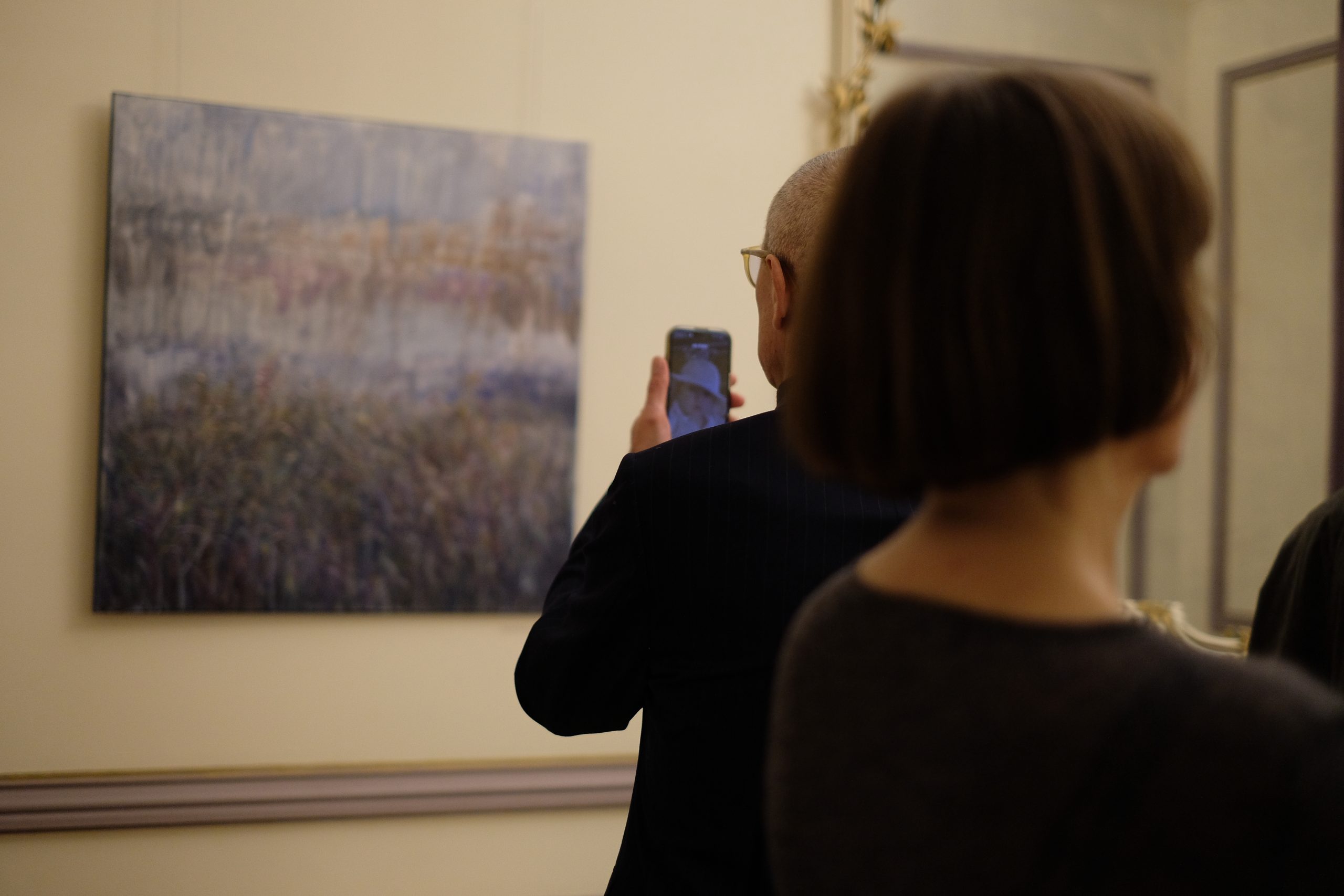
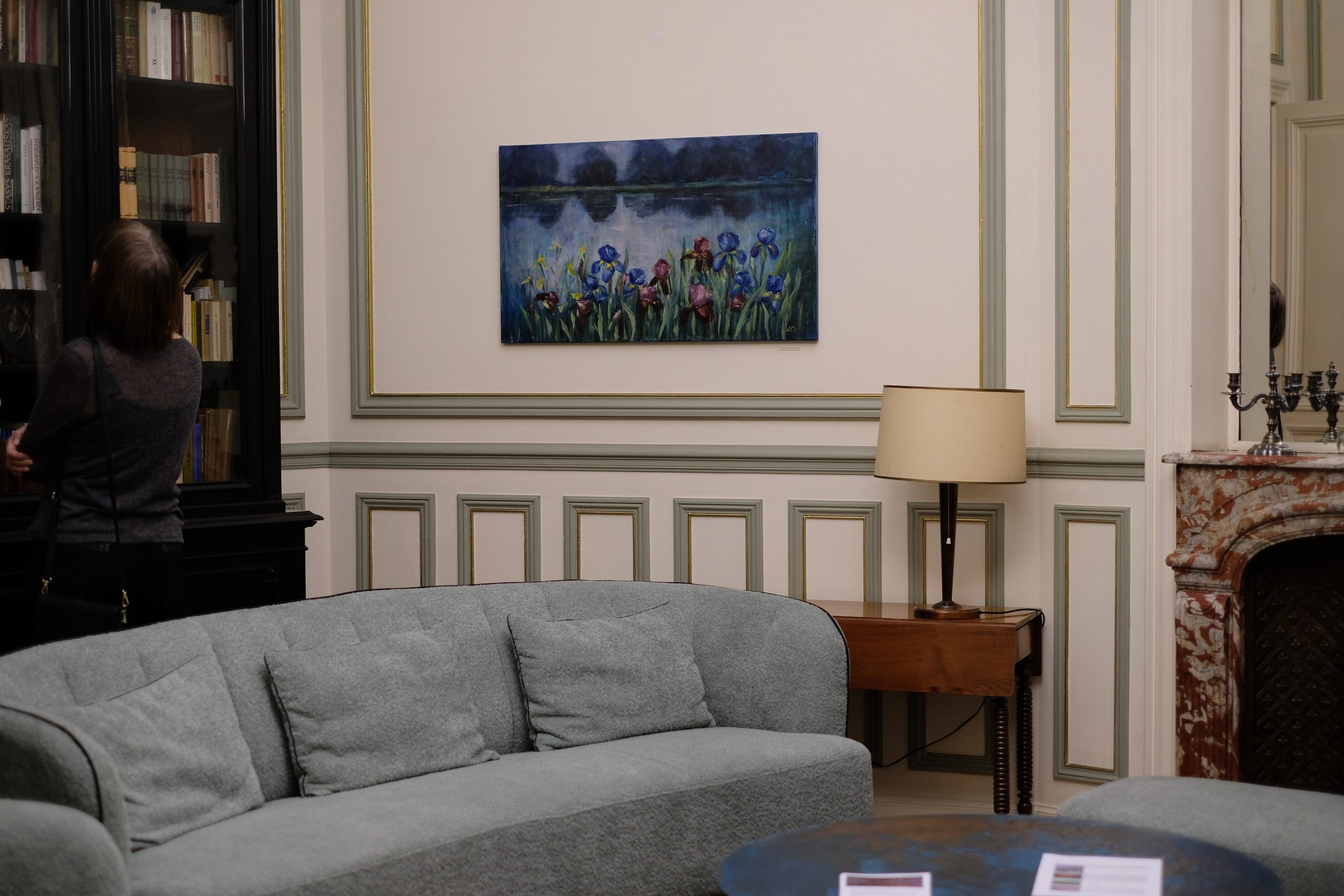
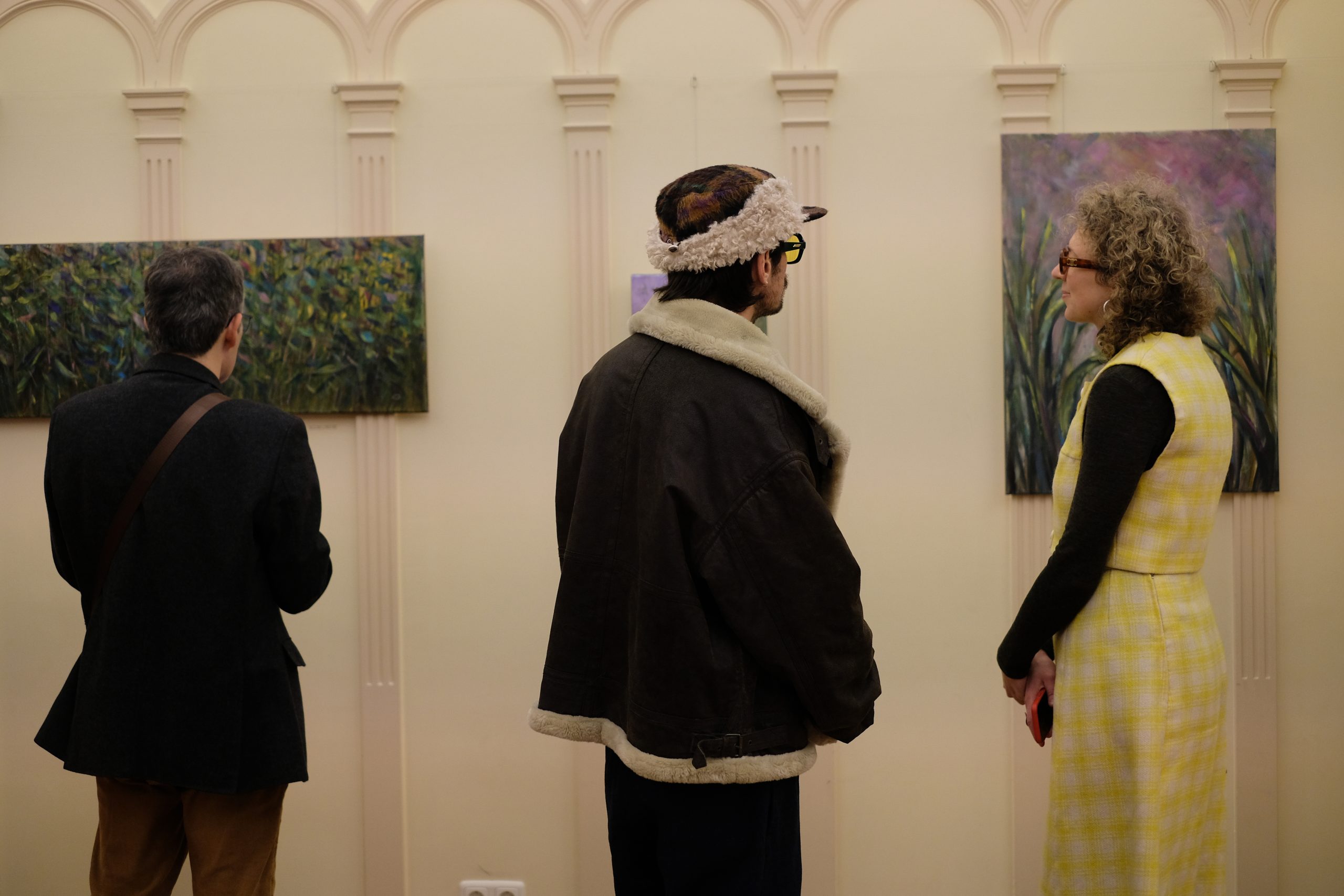
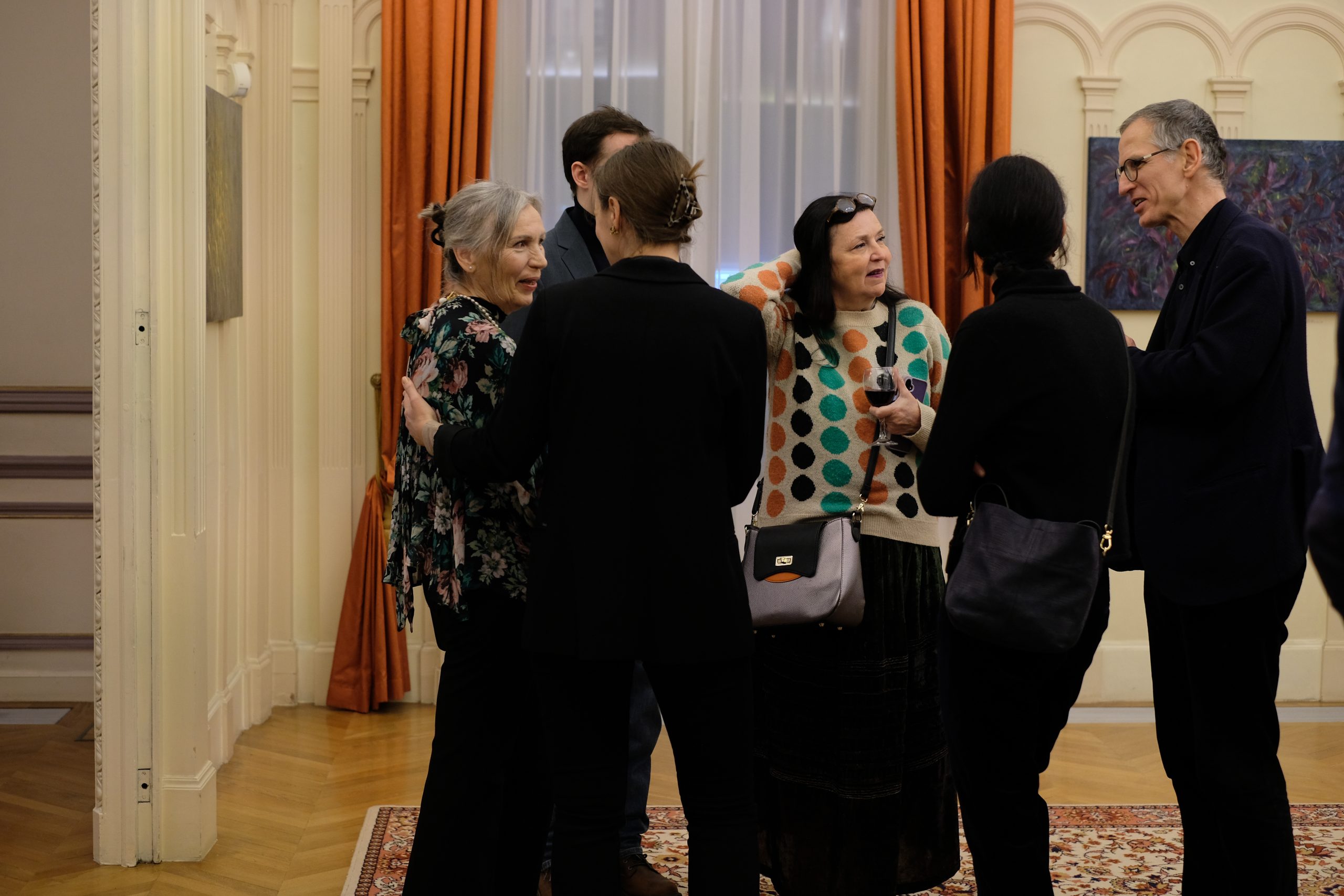
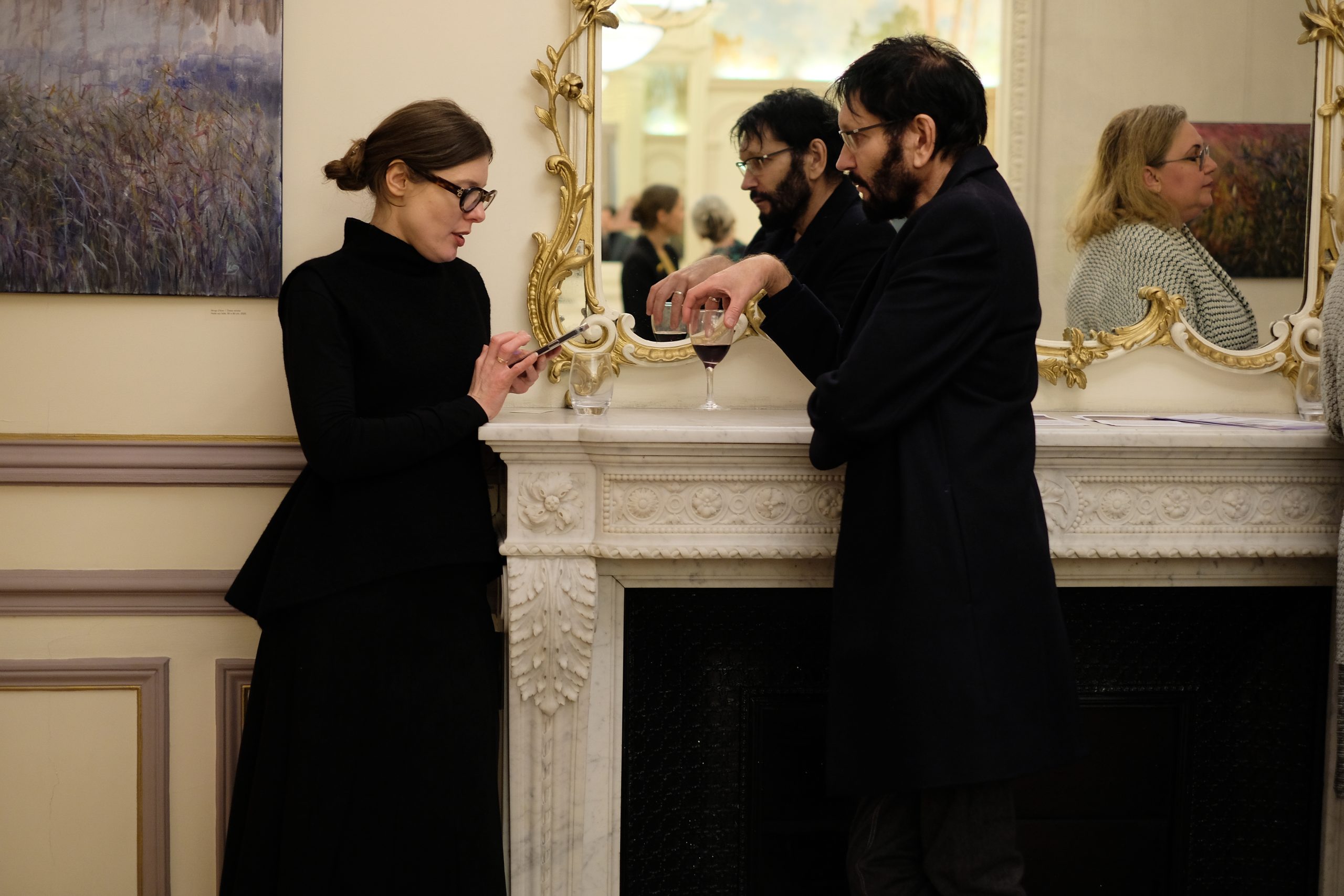
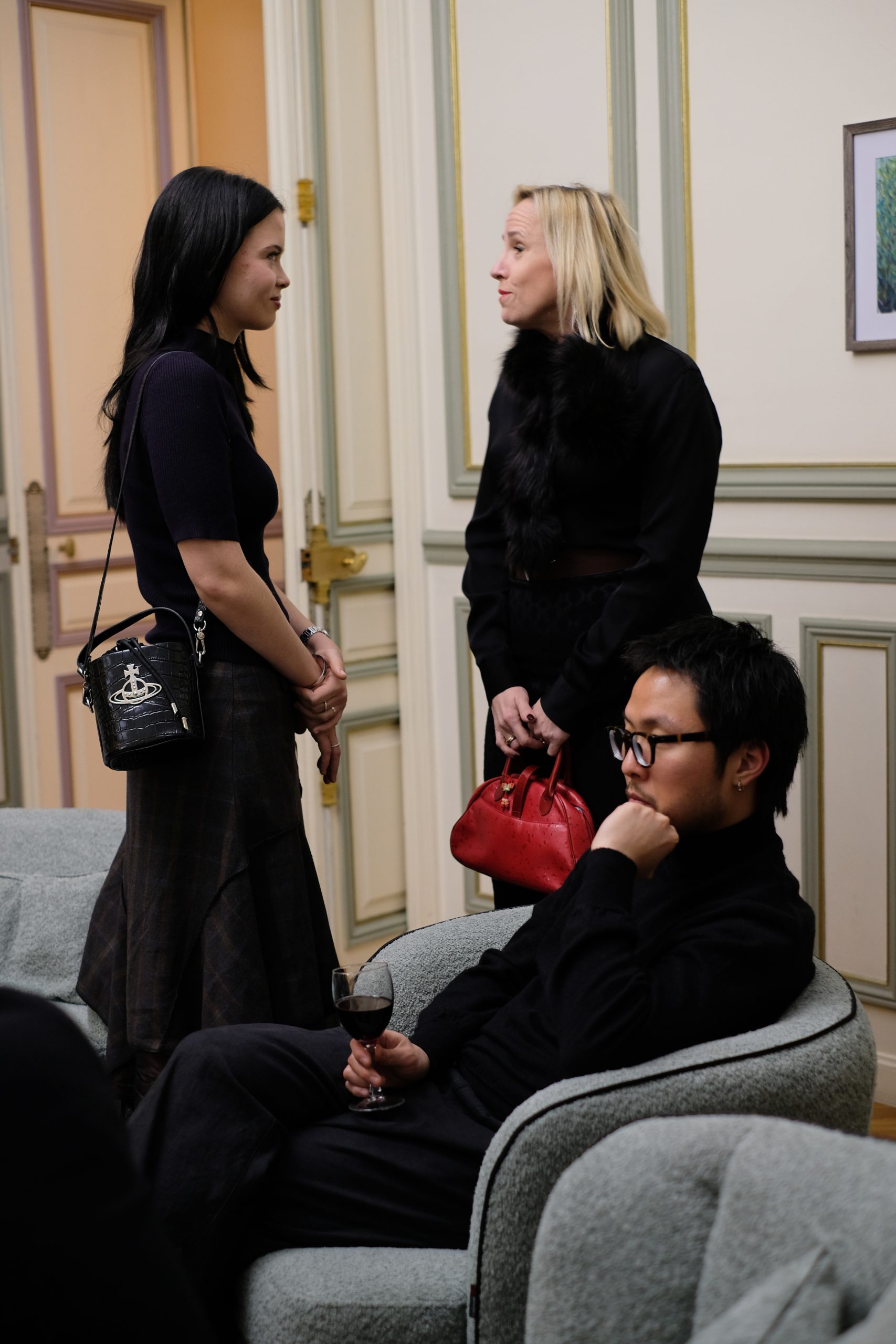
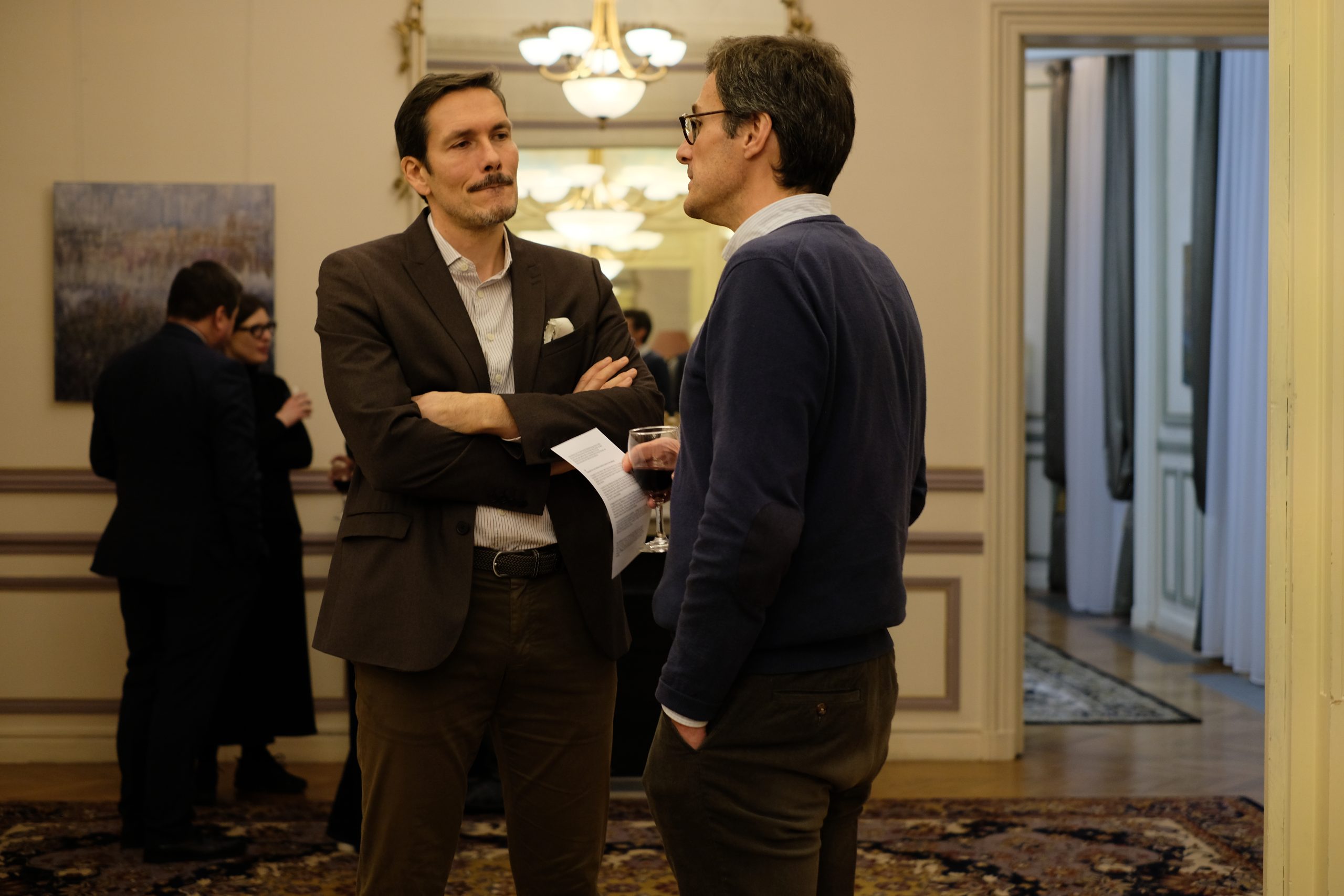
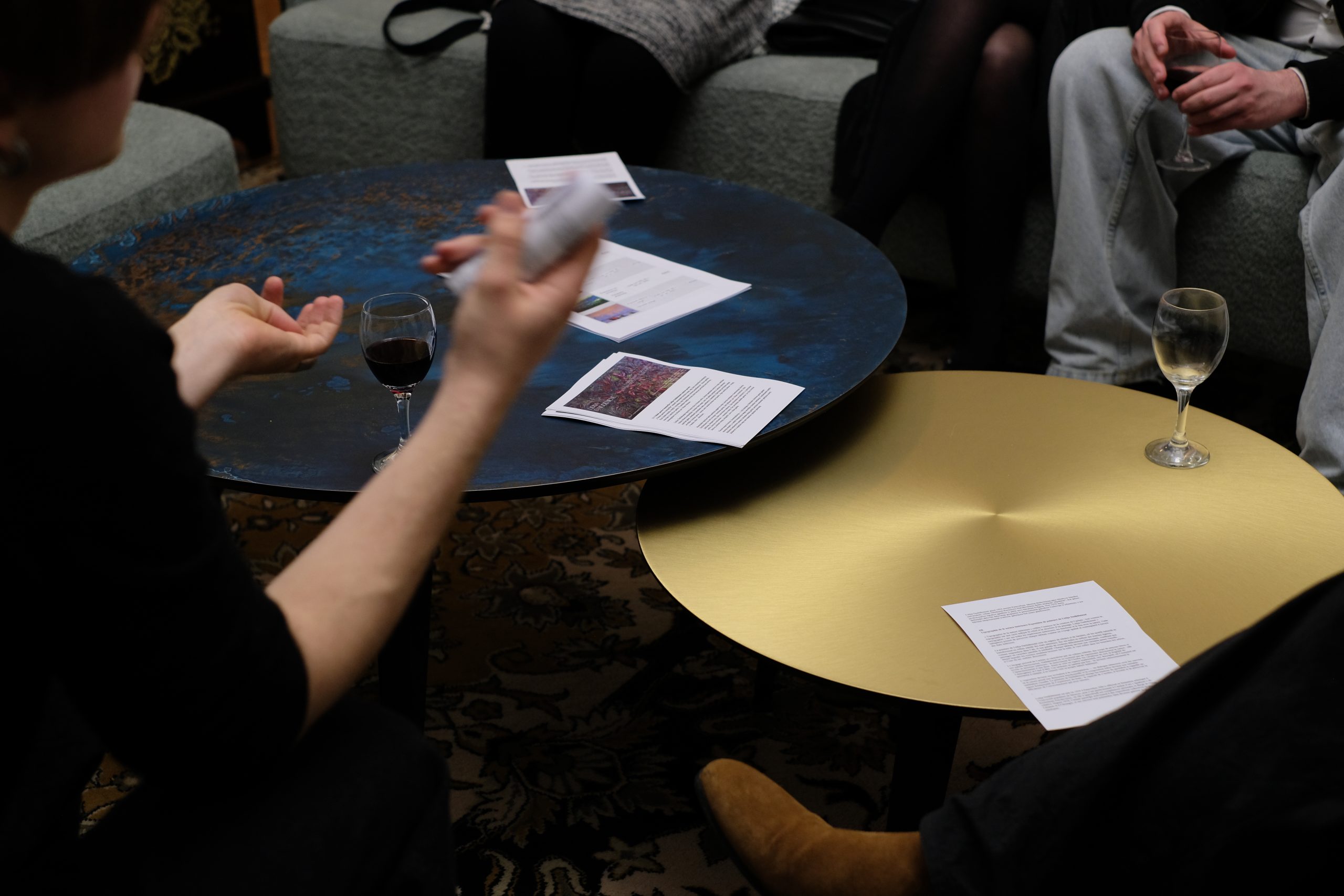
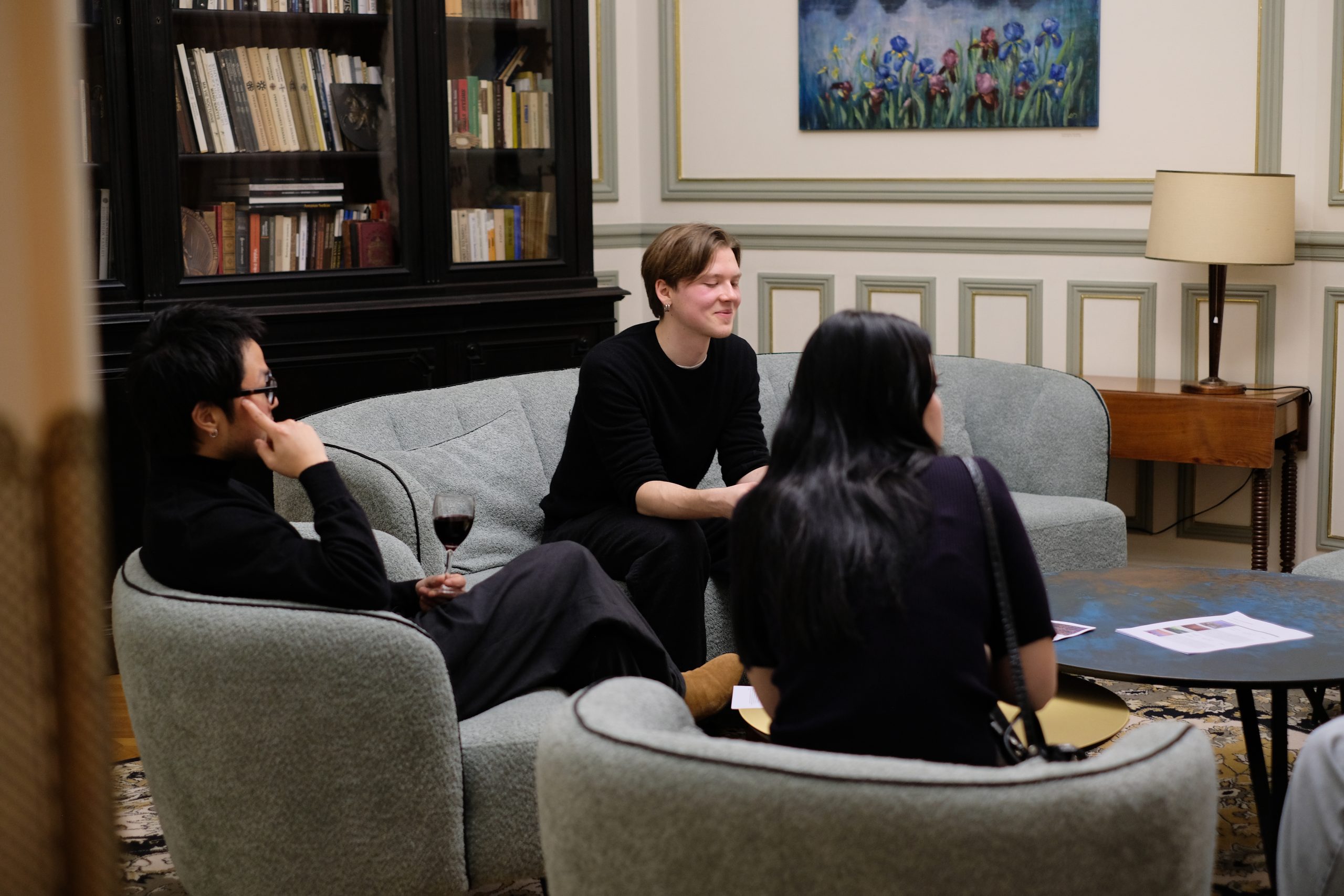
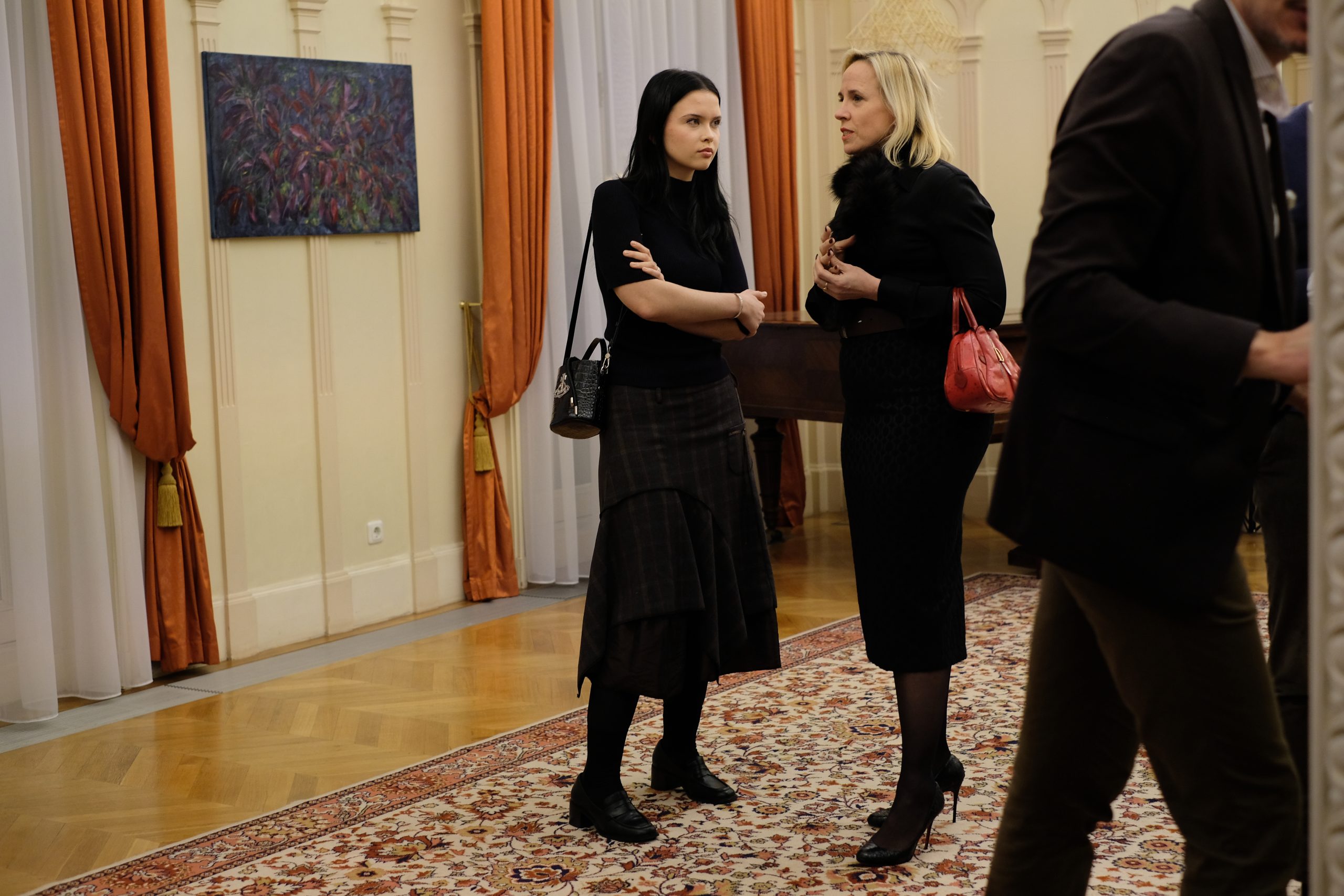
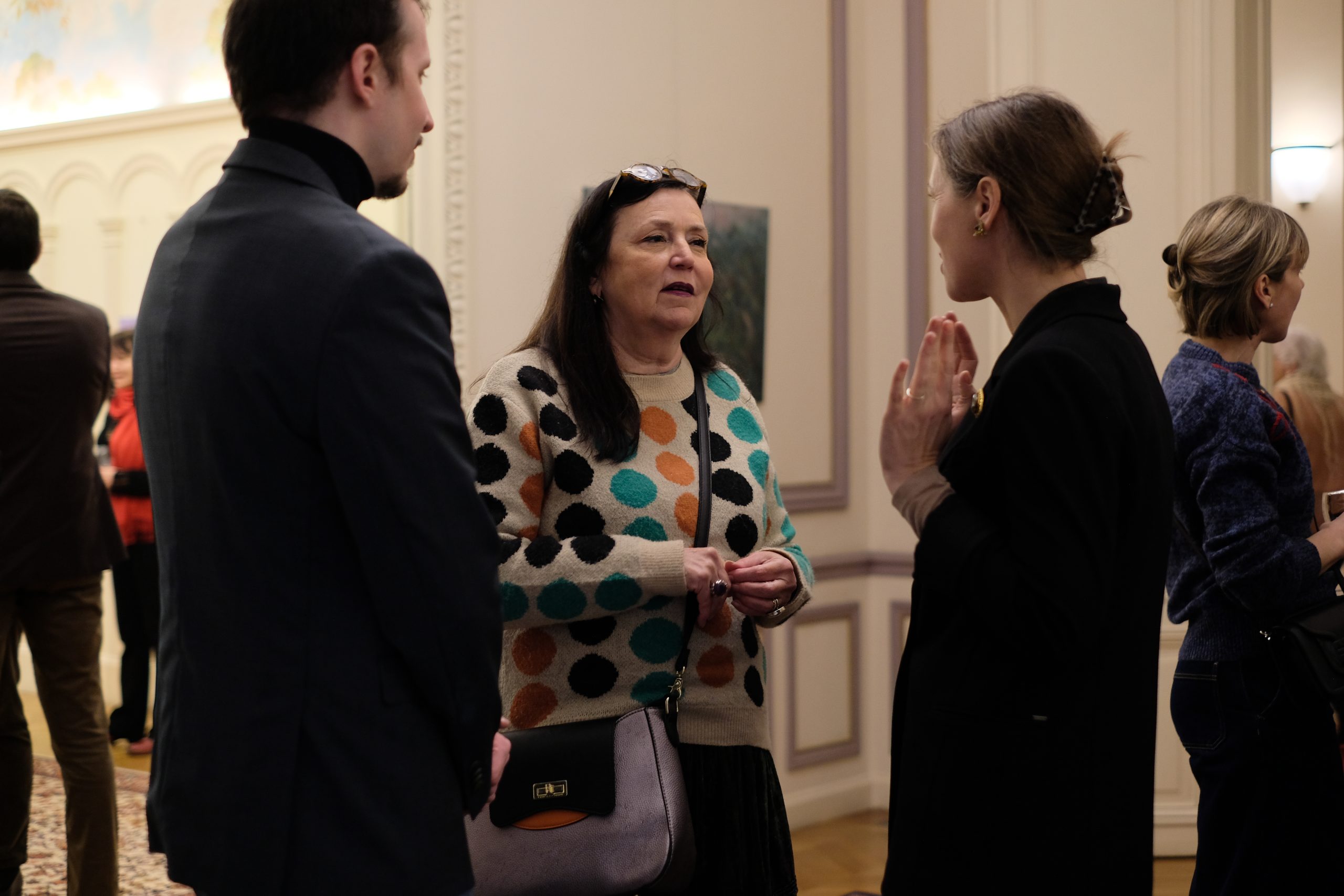
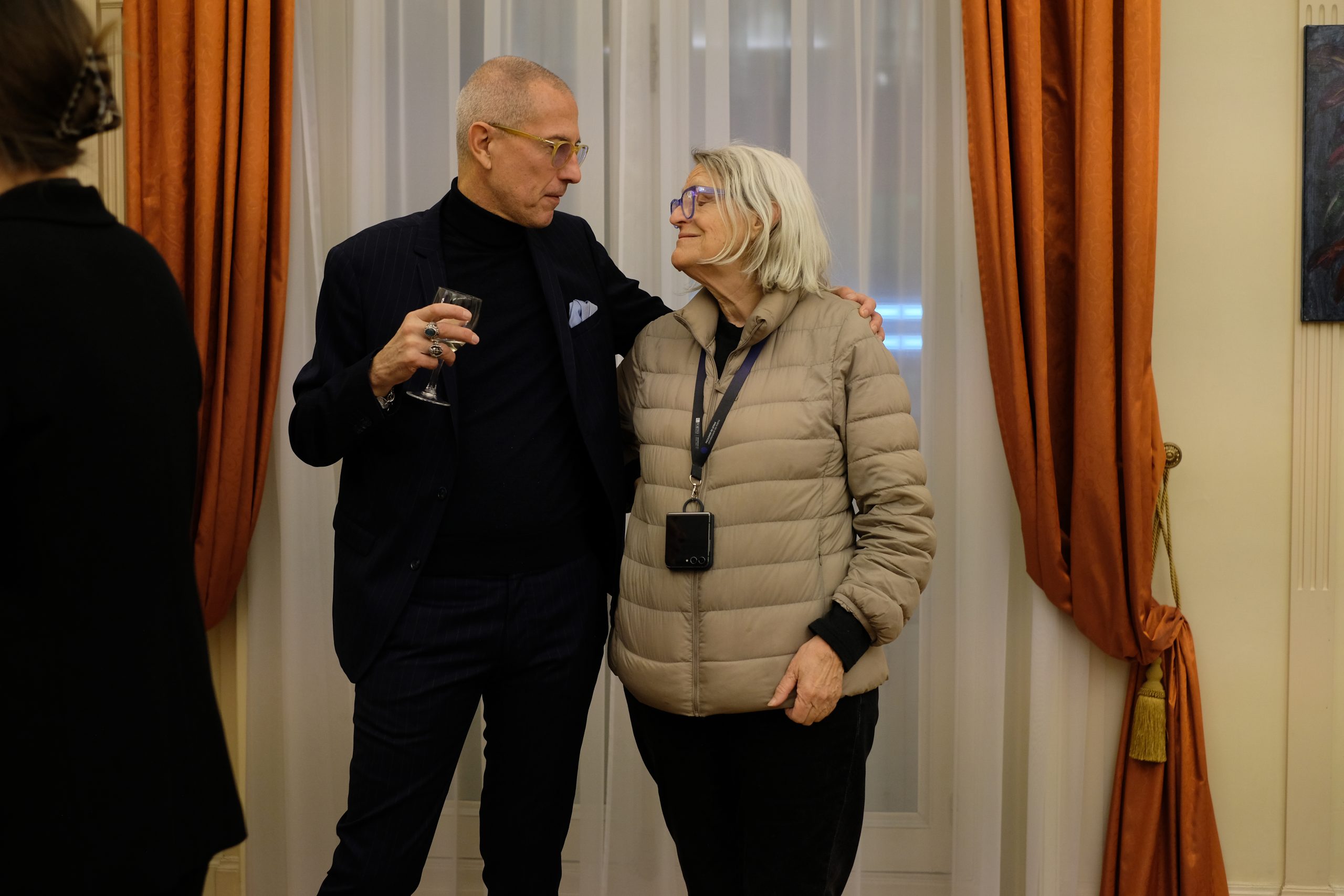
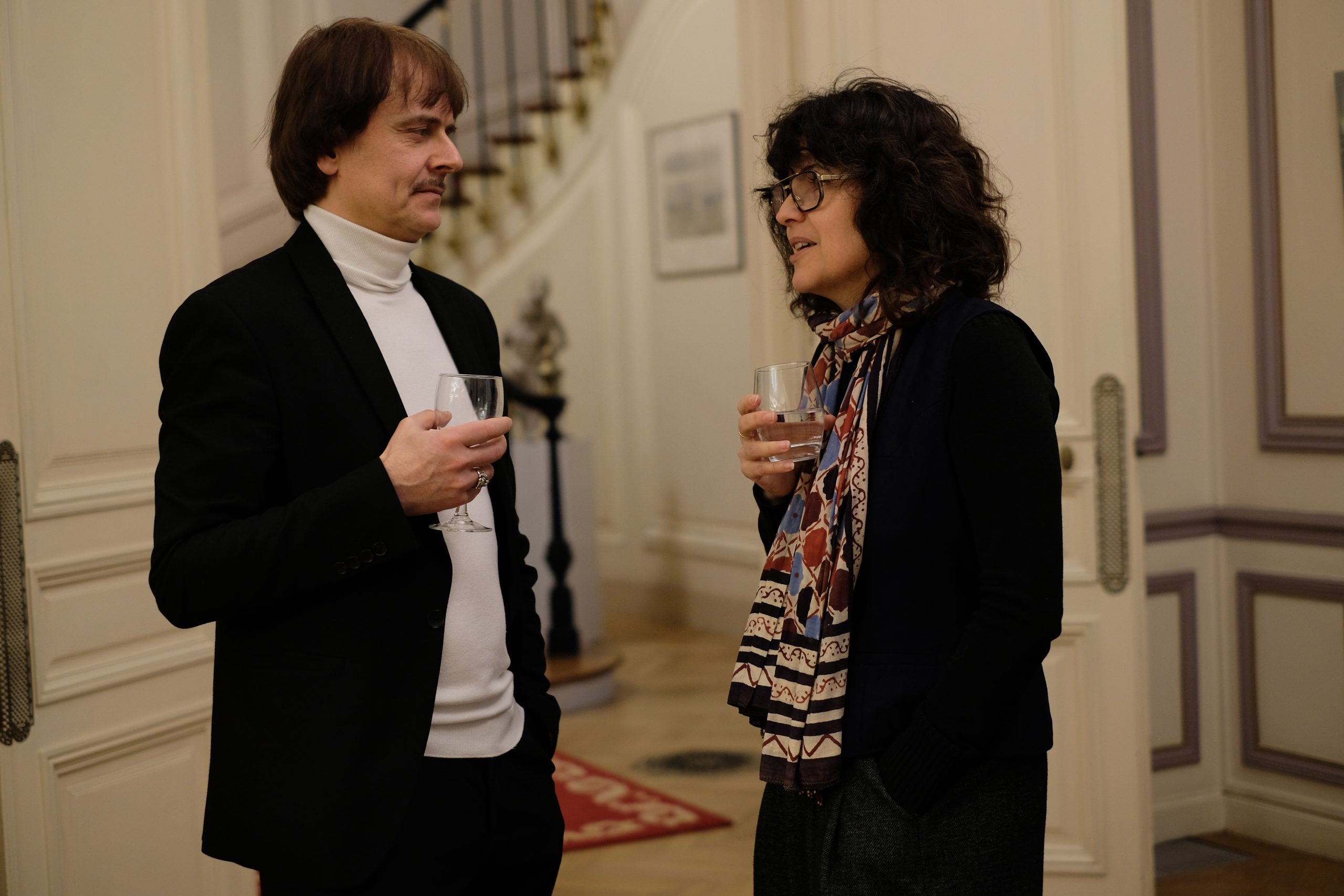
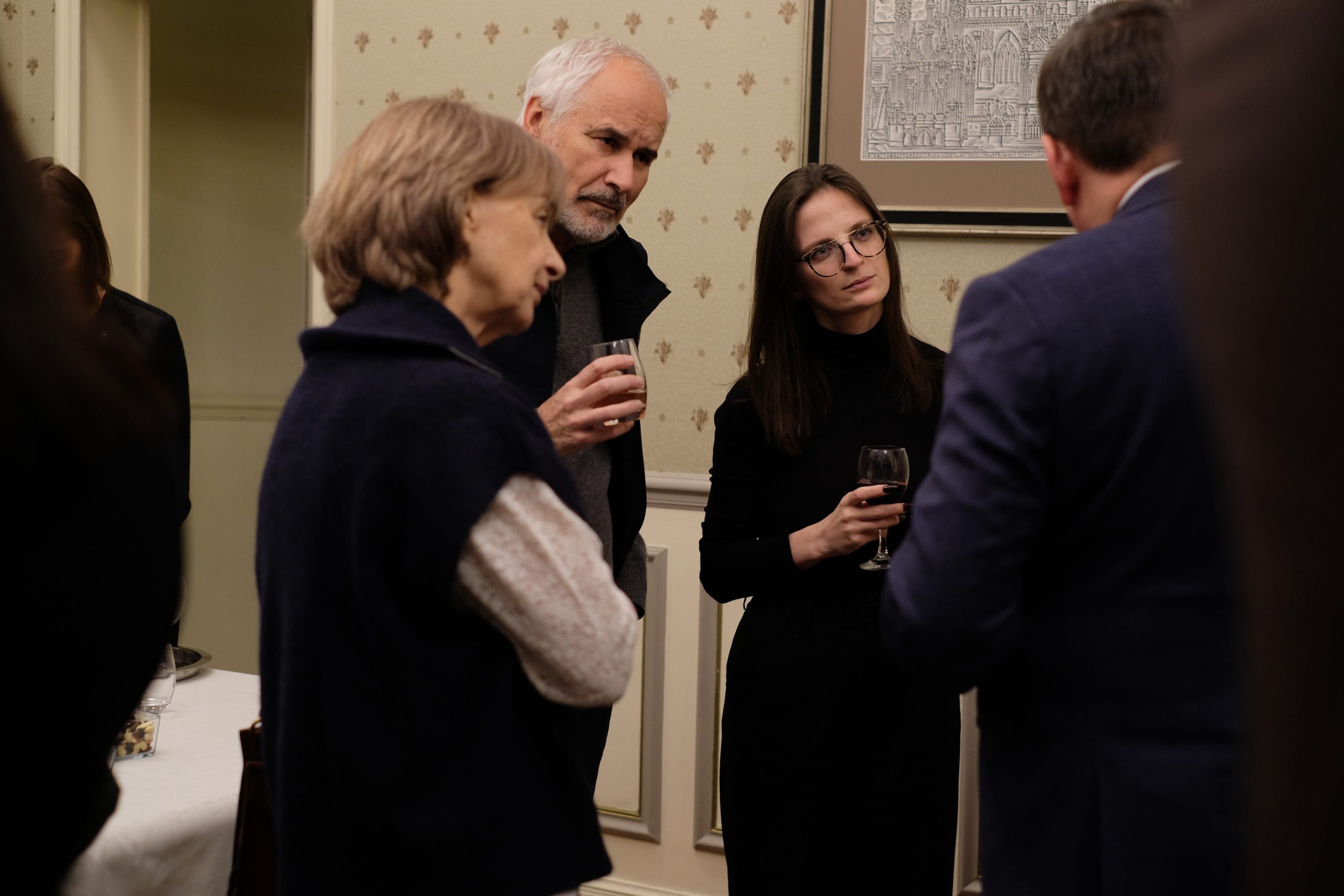
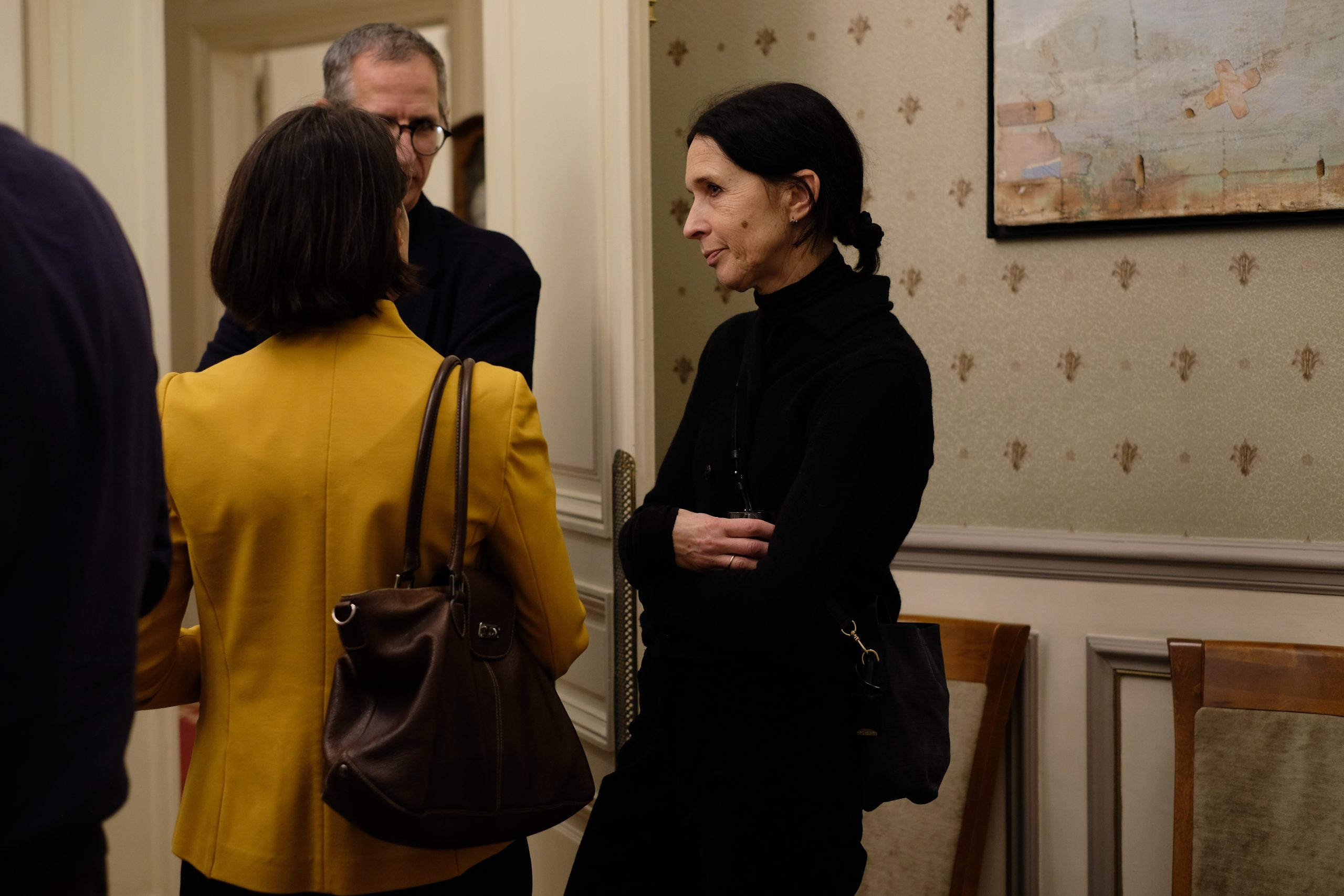
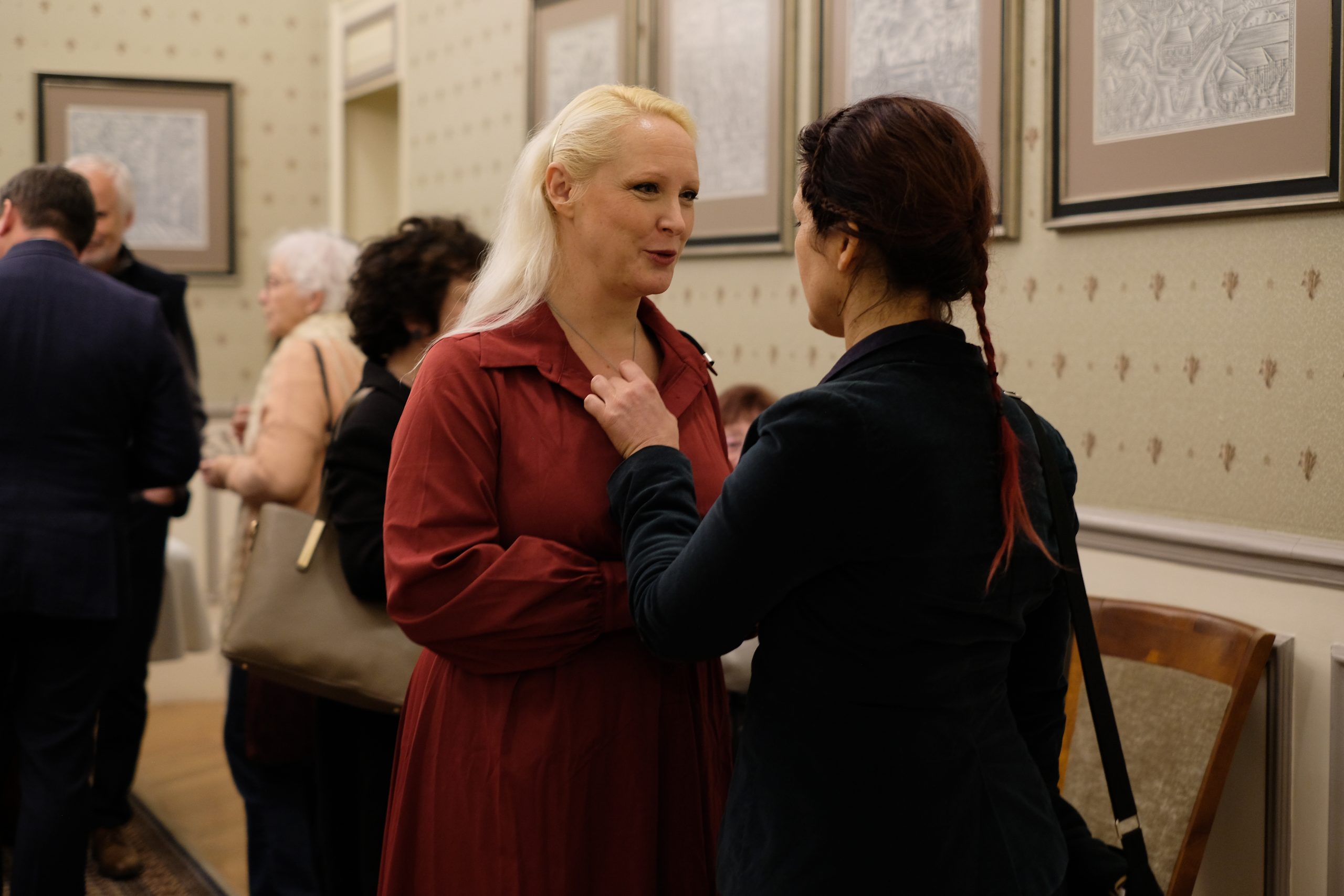
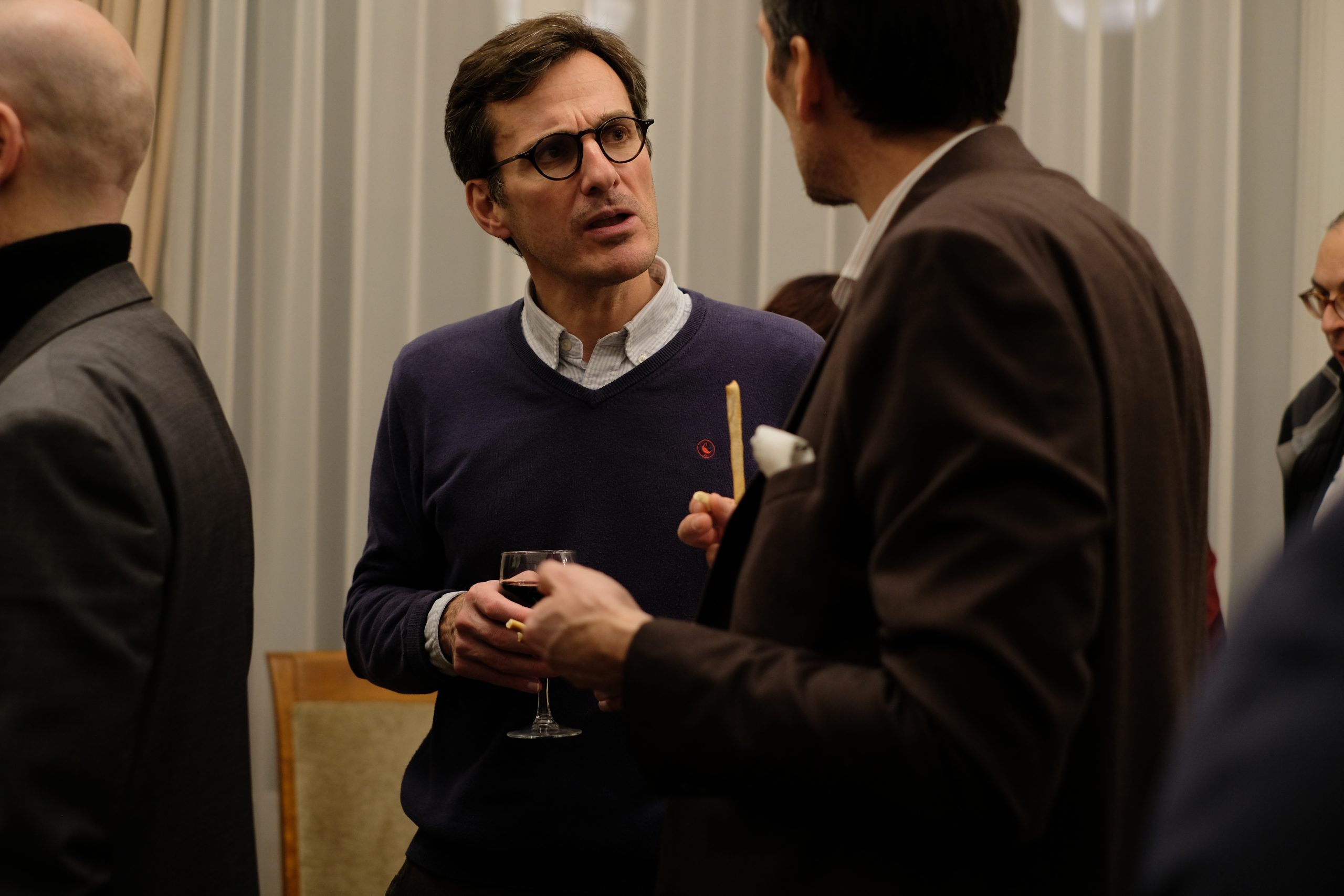
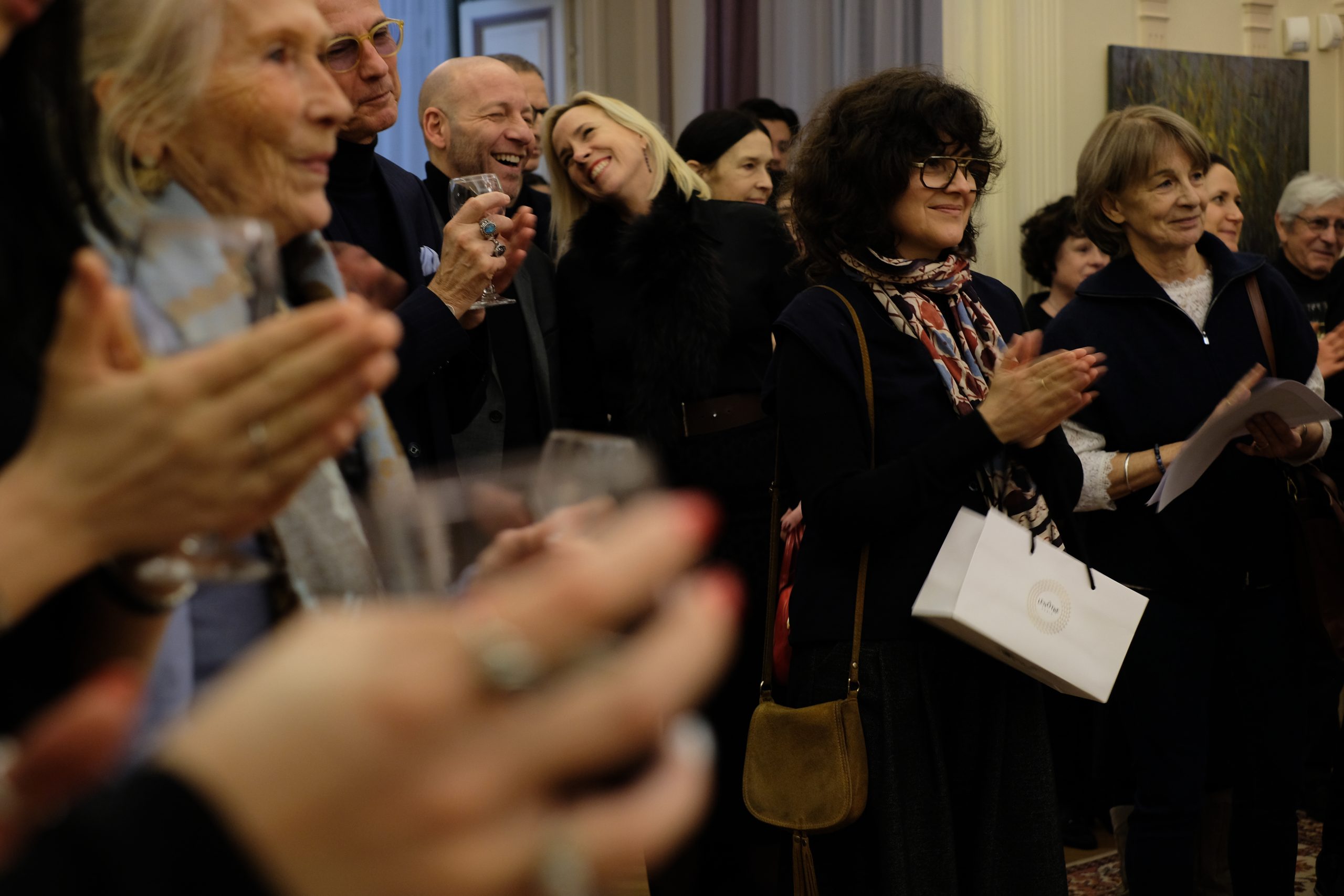
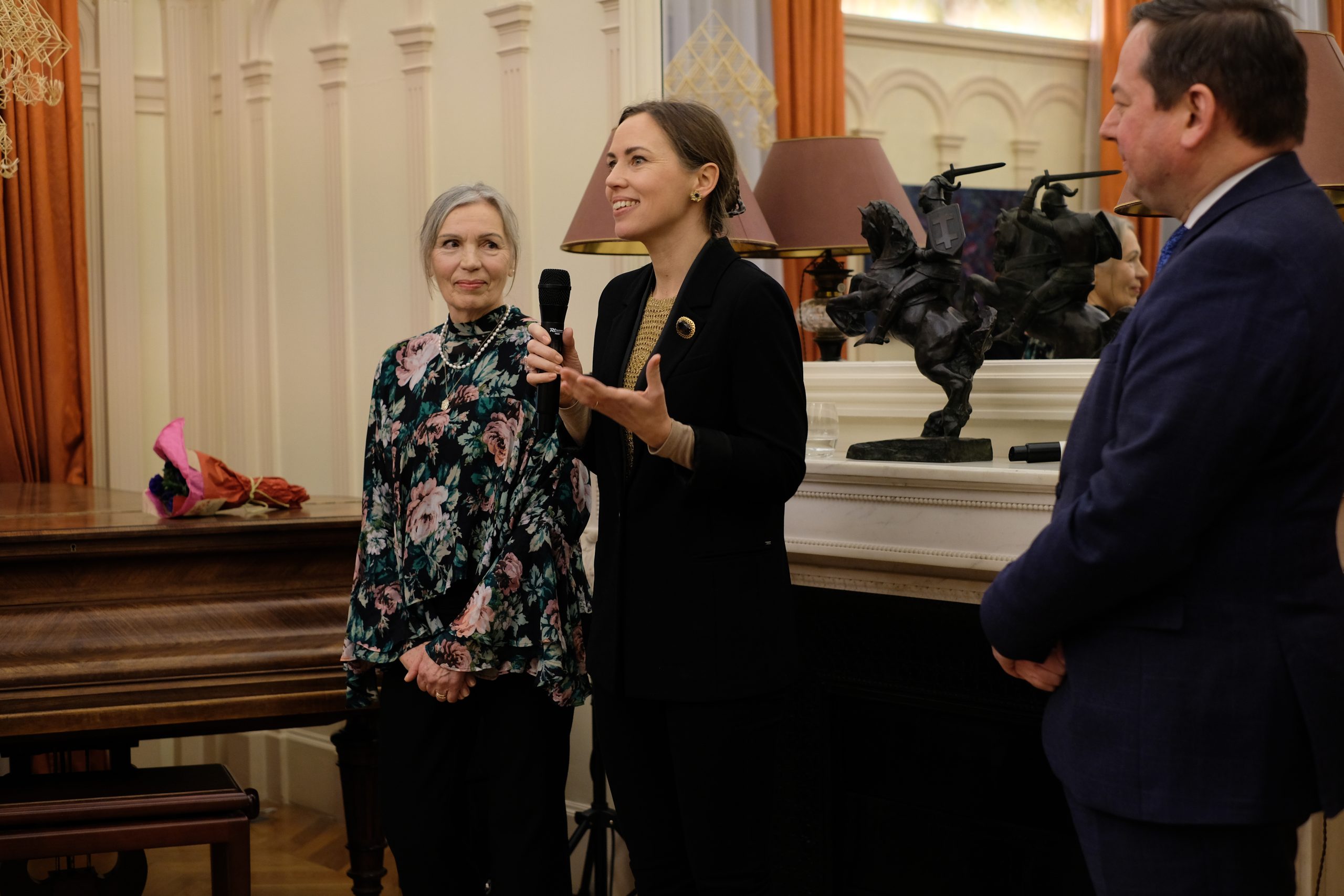
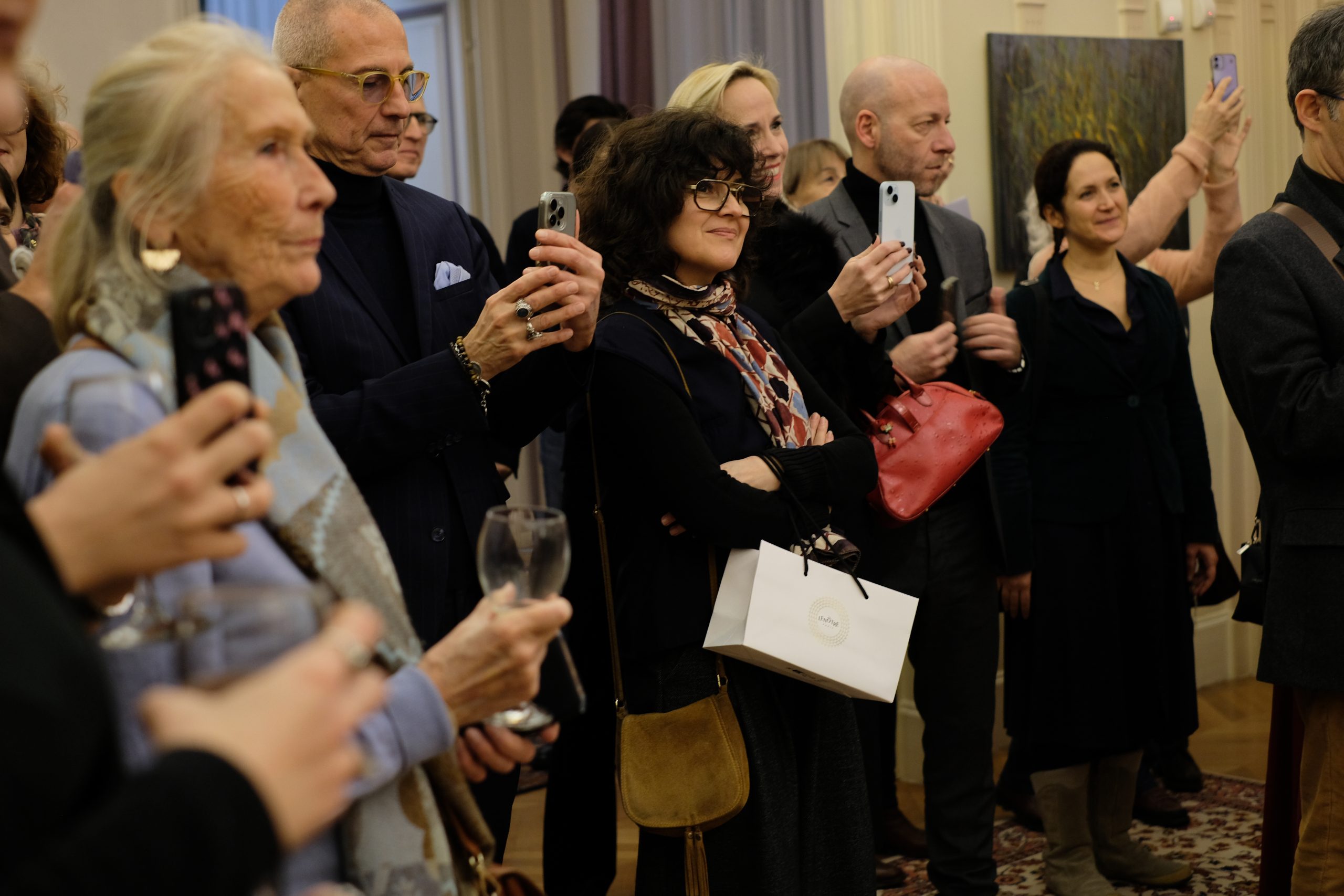
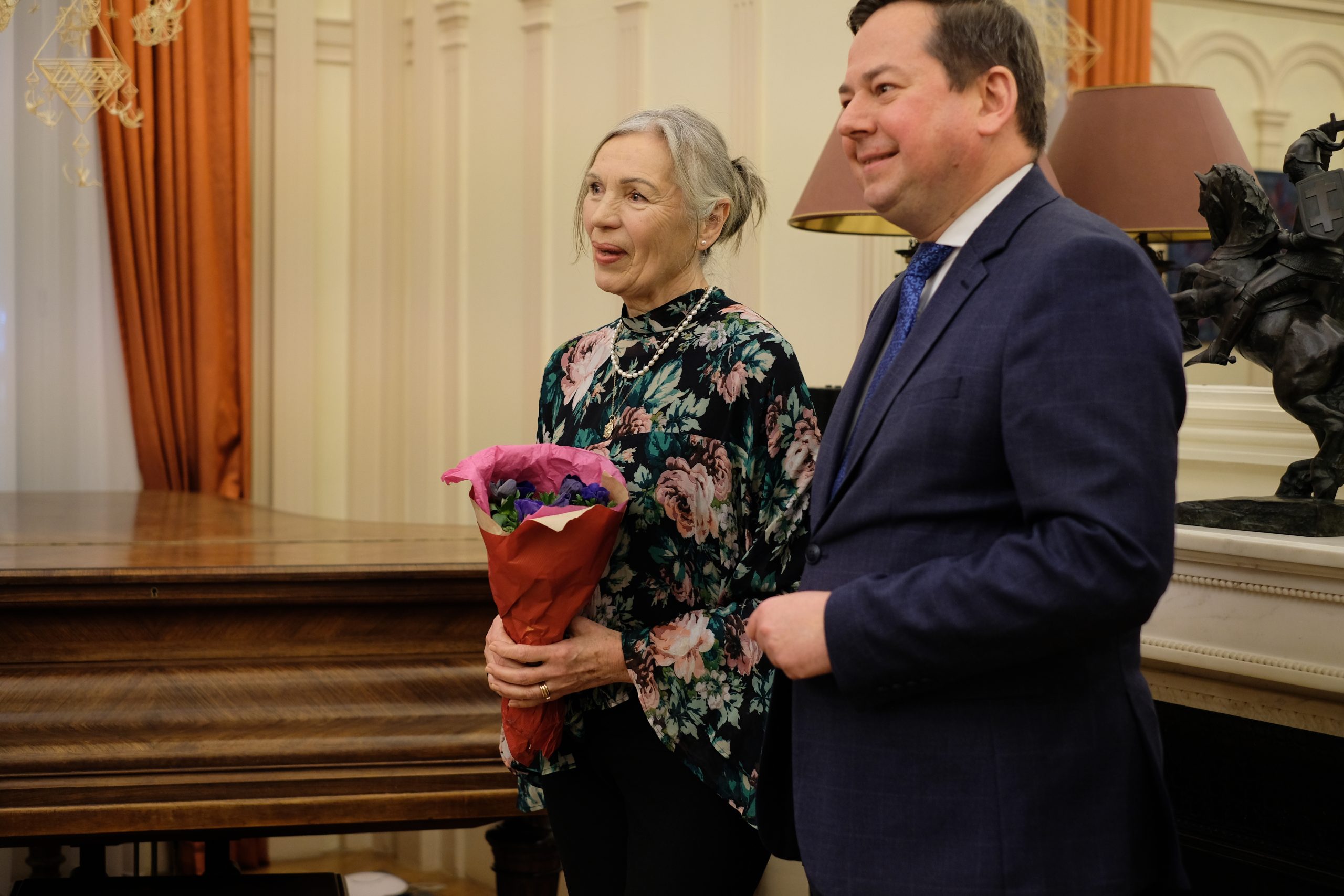
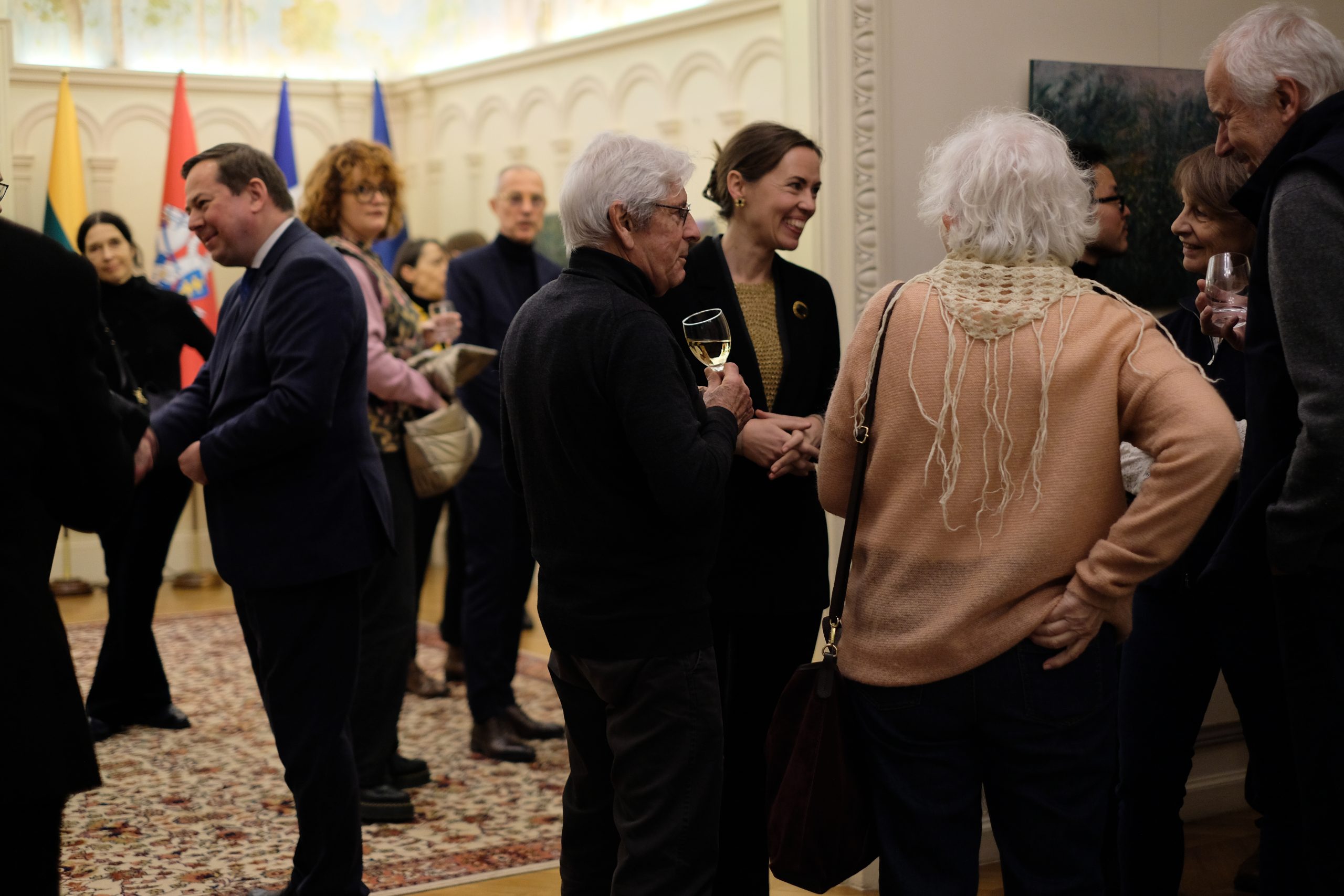
The exhibition was presented in a remarkable and unconventional setting: the Lithuanian Embassy in Paris, housed in the former residence of Ernest Chausson, with interiors adorned by the decorative work of Maurice Denis. Unlike a traditional white-cube gallery, the rooms are richly layered with architectural details, period furnishings, and ornamental objects, creating a complex environment in which artworks could easily be visually lost. The challenge of curating this exhibition was therefore twofold: not only did it involve navigating the mother–daughter relationship between curator and artist, but it also required creating a sense of pause and contemplation in rooms intended for representation and embassy events, rather than art alone. Every decision—placement, spacing, sightlines—had to consider both the intimacy of the artistic practice and the richness of the historical interiors, allowing each painting to exist fully while dialoguing with its surroundings. In this interplay between works and environment, the exhibition became both a presentation of Lidija Dailidėnienė’s art and an exploration of how artworks can inhabit and respond to nontraditional, richly textured spaces.
.








.
.
This experience shifted my attention from questions of objectivity to questions of care and attentiveness. Being just, I realized, is about recognizing your own position, understanding what it brings into the work, and taking responsibility for it. Critical distance is not about being detached; it is about letting the work speak for itself.
.
In the exhibition space, the mother–daughter relationship recedes, replaced by the relationship between the paintings and the viewer. The works do not demand anything—they invite. They create moments of quiet, a slowing down, and a gentle attention to the rhythms of the natural world and the feelings it evokes.
.
Curating this exhibition made visible what is always present in curatorial work: subjectivity, care, and careful attention. Proximity, rather than being a problem, became a guide—something to be acknowledged, reflected on, and used to listen more closely to the work.
.
In this way, Topography of Inner Nature is more than a show of landscapes. It is a space to experience, to pause, and to feel. A place where painting invites contemplation, and where curating itself becomes an act of attention and care.

With the Lithuanian Ambassador to France, Arnoldas Pranckevičius, and the President of the Pompidou, Laurent Le Bon
.
.