Like a Lynx
From the World of Fashion to the International Art Scene
An Interview with Vilma Mačianskaitė.
.
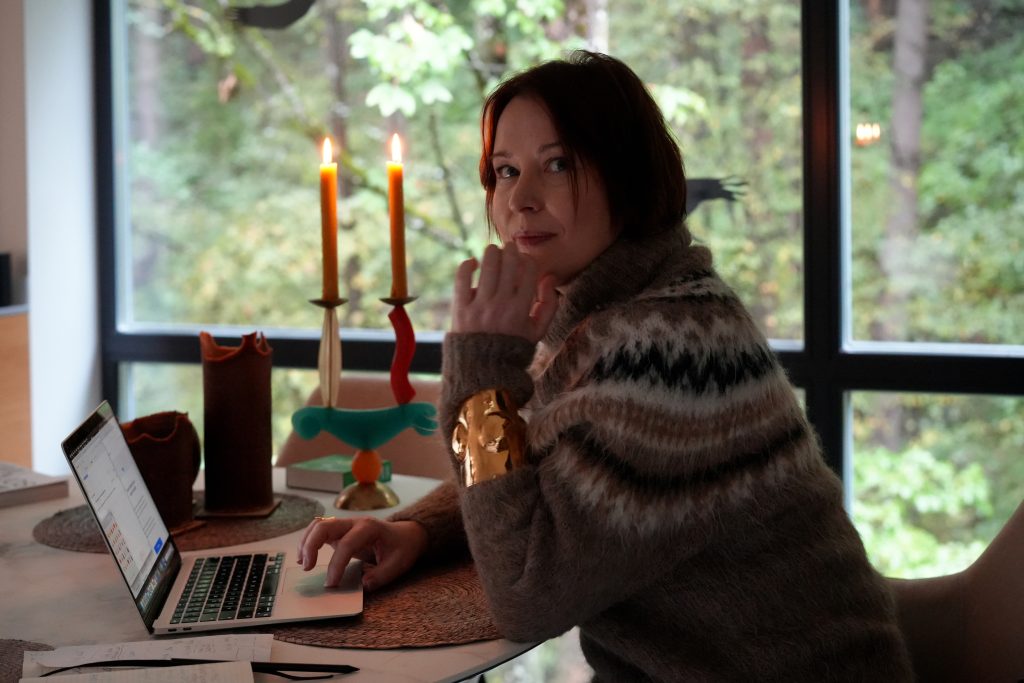
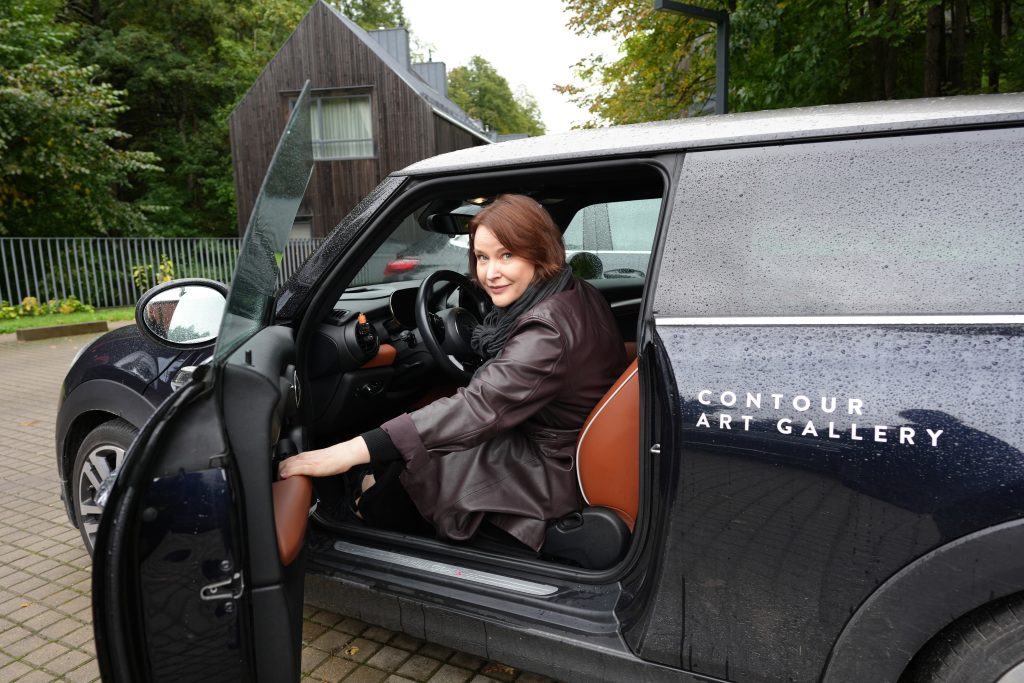
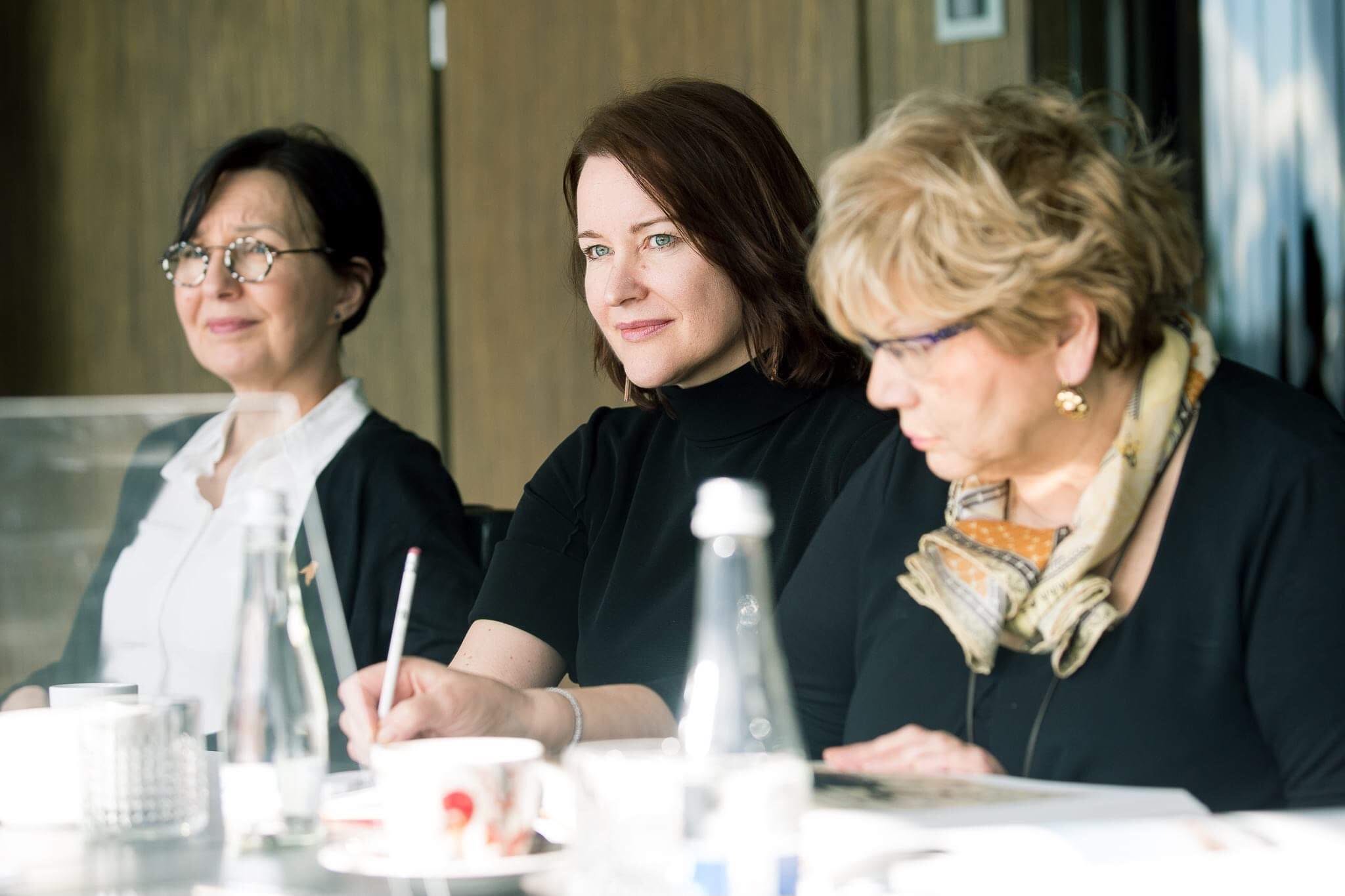
Vilma Mačianskaitė / Photo: Lina Fisheye
.
This year, Contour Art Gallery celebrates its tenth anniversary. However, the gallery’s story began long before it established its permanent home in Vilnius’s Old Town. For almost a decade, Contour Art Gallery was a travelling gallery, organising exhibitions in various venues, taking part in art fairs, developing projects and seeking opportunities for Lithuanian artists abroad.
.
Interestingly, the gallery’s founder, Vilma Mačianskaitė, had never dreamed of owning an art gallery. A degree in economics, 26 years working in the fashion industry, studies in art history, and experience in television and radio – at first glance, these might seem like quite different stages of a professional journey. Today, however, Vilma says that all the experience she has accumulated serves a single purpose: to move forward with art and artists.
.
In this interview, we talk about her unexpected journey into the art world, the ten-year history of Contour Art Gallery, the establishment of its permanent space, trust in artists, international art fairs, collectors, and why being an art professional alone is not enough to succeed as a gallerist.
.
.
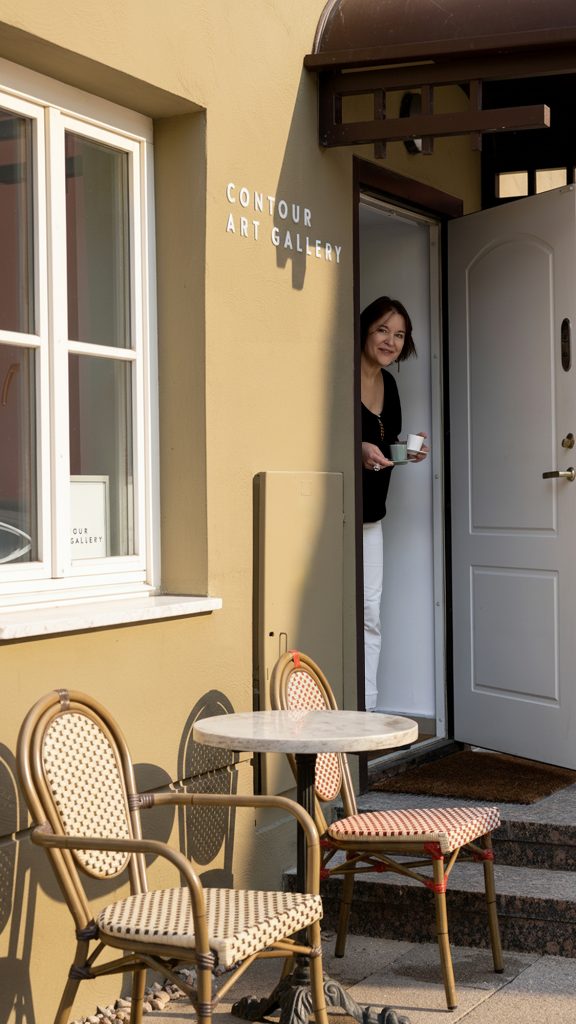
Contour Art Gallery / Šv. Kazimiero g. 7 Vilnius, 01127 Lithuania / Photo: Lina Fisheye
.
.
Julia Palmeirao: Contour Art Gallery was not born out of a desire to own an art gallery. It was something much more unexpected. How did it all begin?
.
Vilma Mačianskaitė: Looking back, I would say it all began not only with a love of art, but also with the questions I kept asking myself. I like to constantly wonder: what comes next? I am fascinated by how people find their way in life – whether they manage to grasp Ariadne’s thread or discover where their true strengths lie.
.
During the historical and political turning point (early 1990s, when Lithuania was reclaiming its independence from the Soviet Union) when we were choosing our professions, there was very little encouragement to follow our own wishes. My first career choice was entirely rational, largely due to pressure from my surroundings. Had that not been the case, I would have applied to study church organ performance. And yes, that is a very good question – I never had any desire to own a gallery. Truly. But then something happened. Around 2010-2011, at an exhibition in Rokiškis, I came across a series of drawings that captivated me. I bought them. They were the works of a very young girl who was still in secondary school. I couldn’t stop telling everyone about her until one of my friends, having heard enough, finally asked: “So why don’t you manage her?”
.
That got me hooked. I started wondering: what should a very young girl living in a provincial town in Lithuania do with such talent? I contacted her family, and we began communicating. I started reading, researching and looking into where she might be best suited to study. We even travelled to Florence together, as studying there was her dream. Later, we went to Scotland, where she completed her studies.
.
But the research I was doing, and the questions it raised, had become an obsession of their own. While she was studying at Glasgow School of Art in Scotland, I was already thinking about what advice I could give her next and where I could direct her. And so, entirely unexpectedly, I found myself enrolling at Vytautas Magnus University.
.
Since I had a degree in economics, pursuing a master’s degree in arts also meant taking supplementary undergraduate-level art history examinations – essentially, starting from scratch. I am grateful to the university’s associate professor, who believed in me and made the decision to admit me in no time. At the time, I was working in the fashion industry, travelling extensively, while my studies were full-time and based in Kaunas. It was quite a challenge.
.
What helped was having a very clear vision of what I wanted to find out. My master’s thesis was titled Contemporary Lithuanian Artists: Career Opportunities. I wanted to understand how the art world operates in Lithuania and what we could learn from the international art market. During my studies, I researched museum acquisitions as one of the key factors in an artist’s career, as well as the state of art galleries and artist representation.
.
This research led me to a very clear conclusion: Lithuania had very few private art galleries that worked consistently with artists, supported their careers, sought opportunities for them and opened doors to the international art market. There were galleries selling works by artists who had passed away or were no longer producing new work. There were also many institutional galleries affiliated with the Lithuanian Artists’ Association, the Academy of Arts or other organisations. They organised excellent exhibitions, but their objectives did not include selling artworks or representing artists over the long term. In other words, they did not invest in presenting artists abroad, advising and educating them, maintaining their databases, helping them prepare their first presentations to international institutions, and so on.
.
And so, this research became the starting point for what eventually unfolded: a journey alongside art and artists. Being on tour – constantly seeking out new opportunities.
.
Would I make the same decision today? I don’t know. I feel it wasn’t really my decision. Something simply pushed me in that direction.
.
.
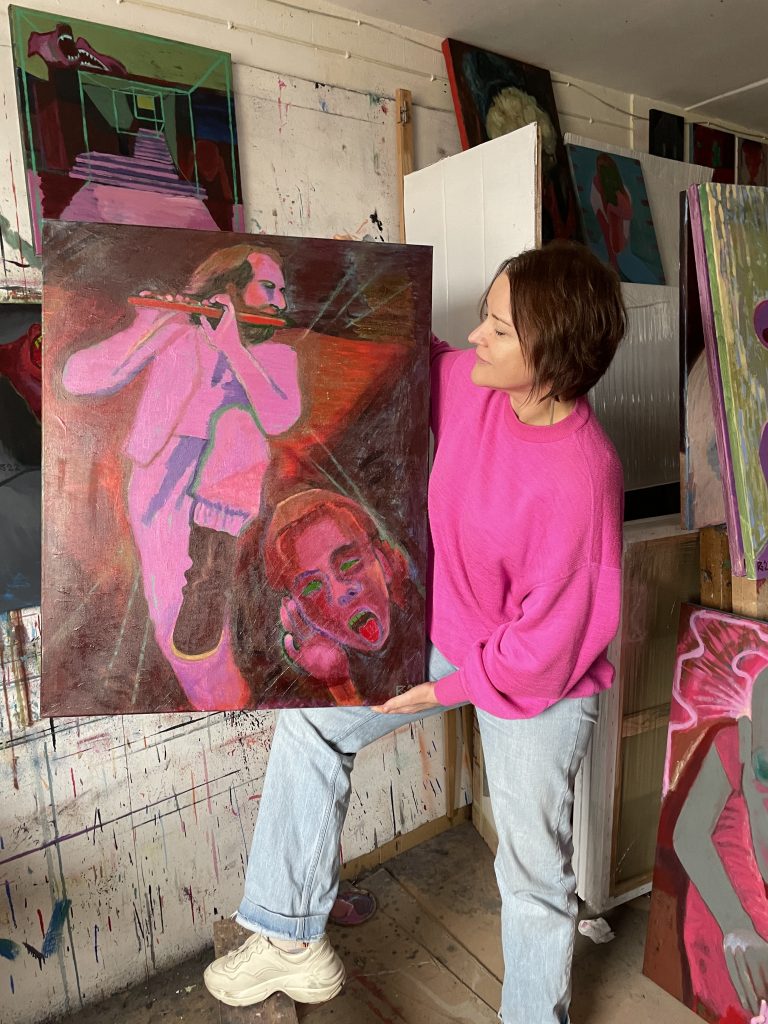
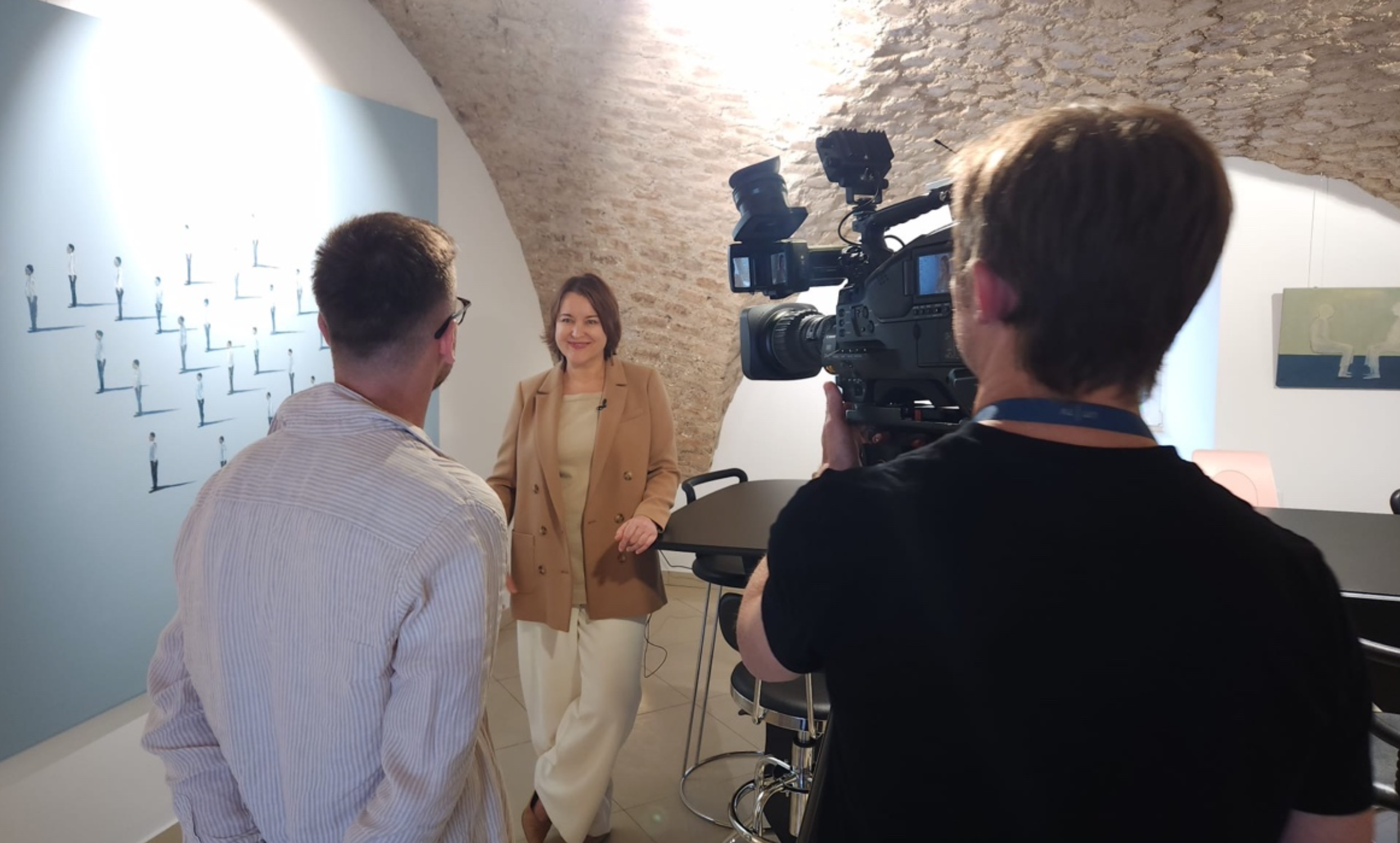
Visiting the studio of artist Raimondas Gailiūnas
.
.
J.P.: Your professional journey is far from conventional – economics, fashion, art history, and courses at Sotheby’s Institute of Art. Looking back, can you see how all these seemingly different stages ultimately led you to Contour?
.
V. M.: I think I have a loyal guardian angel, because something always seems to nudge me towards the places I need to be, and just as quickly pull me out by the scruff of the neck when it is time to leave – especially when staying would cost me my peace of mind. As I said earlier, perhaps these weren’t even my decisions. Or perhaps they were – reflected in the way I respond to the situations life brings my way. I have simply learned to accept things as they are and move on.
.
I was the odd one out among the economists – I never felt particularly drawn to delving deeper into finance. Most of my fellow students, on the other hand, went on to build very successful careers. In fact, they make up a wonderful potential database of art collectors, although I still haven’t found the time to bring them all together at the gallery!
.
As for my economics background, it found its practical application during my many years working for a clothing company. I have to say, though, that the period when I was buying fashion brands was an absolute joy, as I had been designing and making my own clothes since childhood.
.
I spent 26 years working as a brand manager at Apranga, a clothing retail company. For the last ten-plus years, I was responsible for luxury brands. It was an excellent training ground: juggling several processes simultaneously, working at an intense pace, communicating quickly, reaching agreements, negotiating and travelling. Buying fashion collections sharpened my eye for beauty, while travelling broadened my horizons.
.
Those years working with luxury brands gave me the opportunity not only to spend around 40 per cent of my time in Milan, Paris, London and Florence – sometimes managing to squeeze in a visit to a museum after work – but, more importantly, to be among the first to see the collections and showrooms of prestigious fashion houses.
.
Everything I experienced there became part of my professional toolkit: the standards of collection presentation, interior design, the latest ideas from designers, collaborations with artists and the courage to embrace unexpected solutions. All of this is invaluable to me today, whether I am organising exhibitions, communicating with collectors or selecting artworks.
.
I feel completely at ease walking into a Sotheby’s auction house in New York or engaging with affluent individuals because these environments feel familiar and comfortable to me – they were part of my everyday professional life. I won’t hide it: it is particularly gratifying to see former Armani or Saint Laurent colleagues and business partners, who now follow my journey in the art world, liking my posts on LinkedIn.
.
Another chapter of my life, which you mentioned at the beginning, was broadcasting. I presented the news on Tele-3 and Kaunas + and worked at the radio stations Radiocentras and Laisvoji banga. This experience also proved invaluable, giving me confidence in public speaking and providing contacts that are useful for disseminating information.
.
I suppose Contour Art Gallery was rather lucky in that sense – everything is for the sake of art. Everything I have accumulated throughout my life is now mobilised for moving forward.
.
.
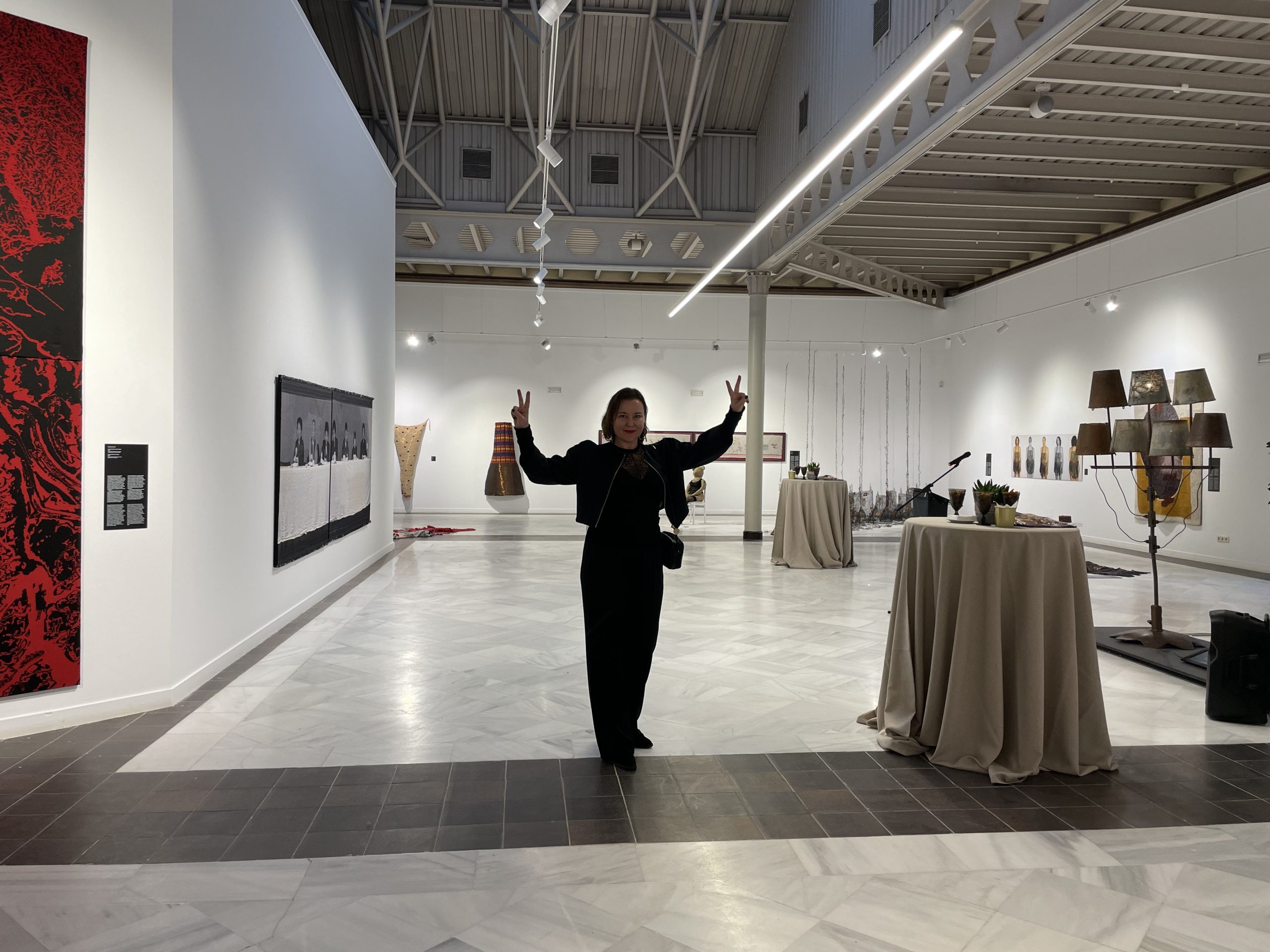
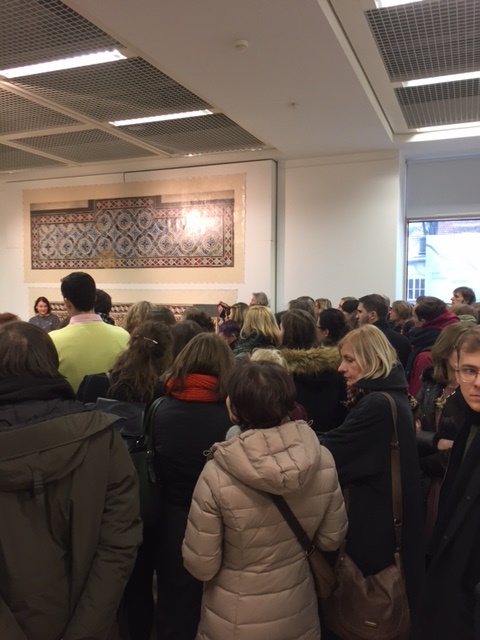
Opening of exhibition Raimondas Gailiūnas at Rokiškis Manor, 2022
Click the image to take a closer look
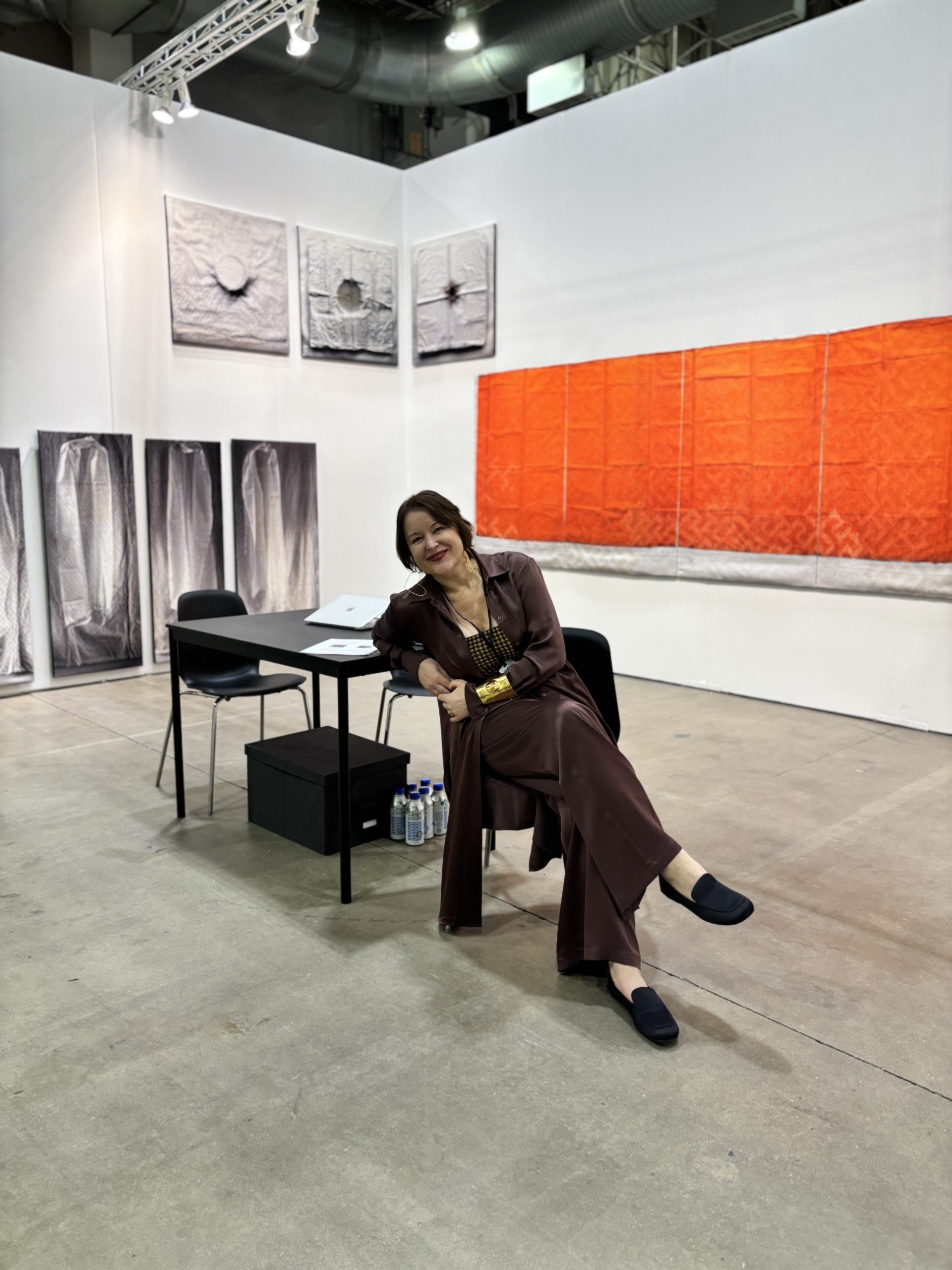
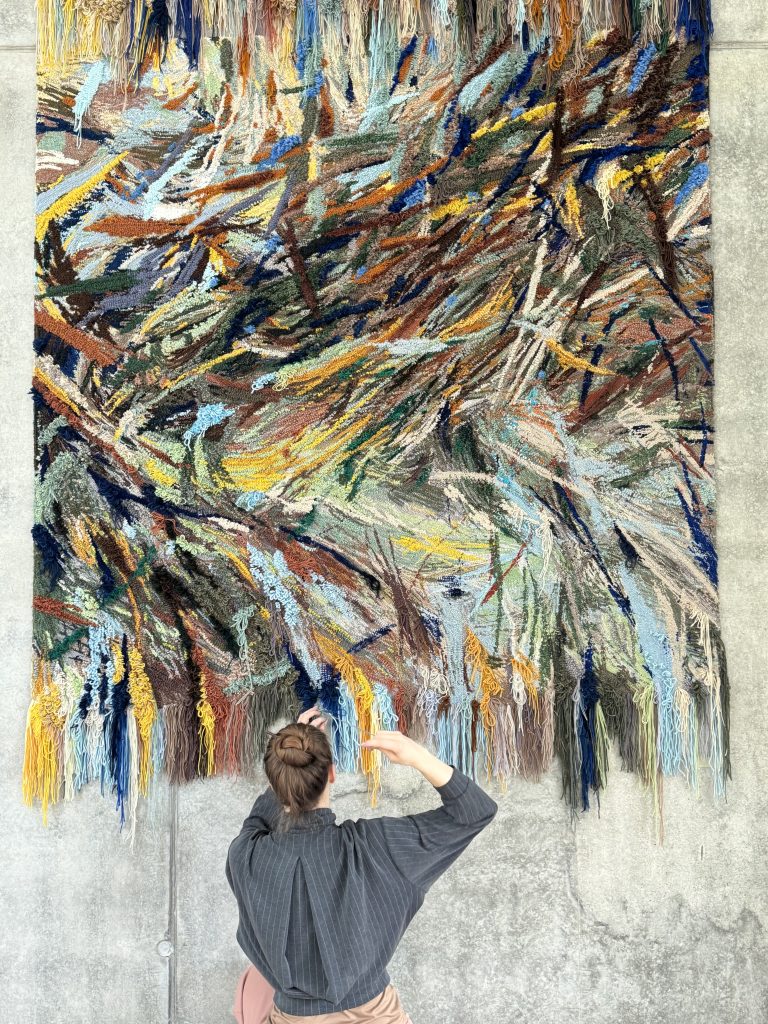
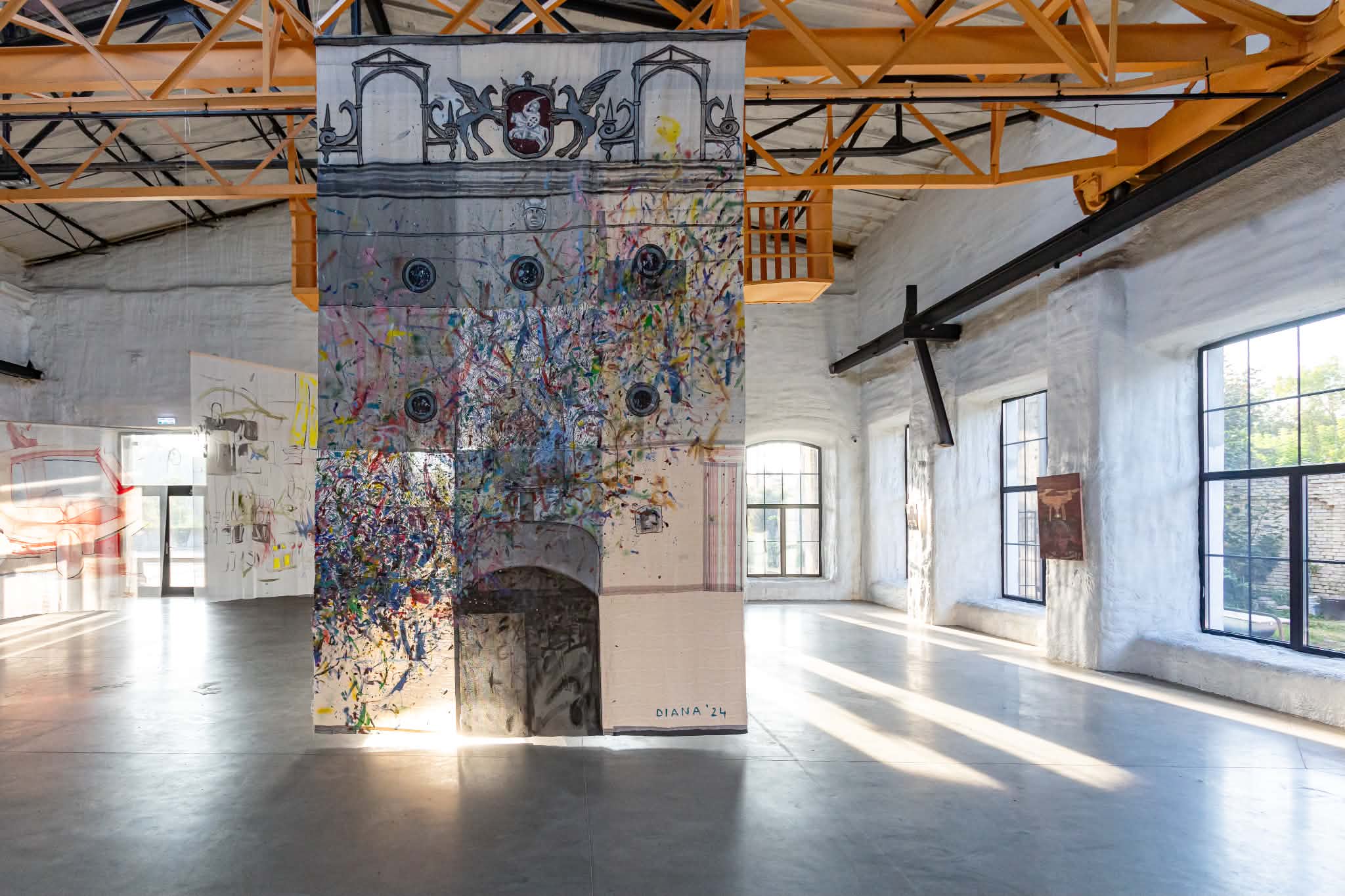
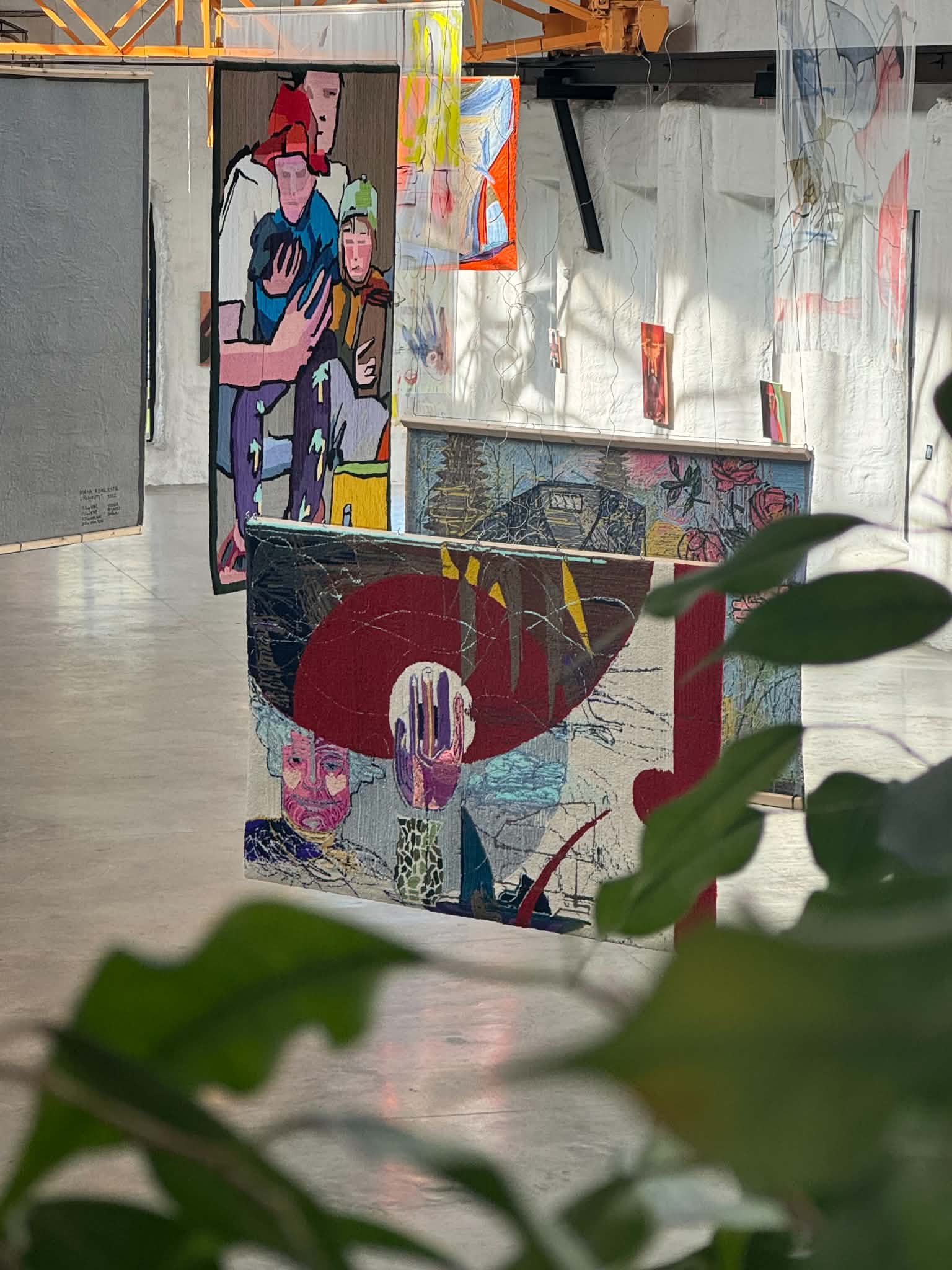
Diana Remeikytė’s largest textile work to date, commissioned through the gallery
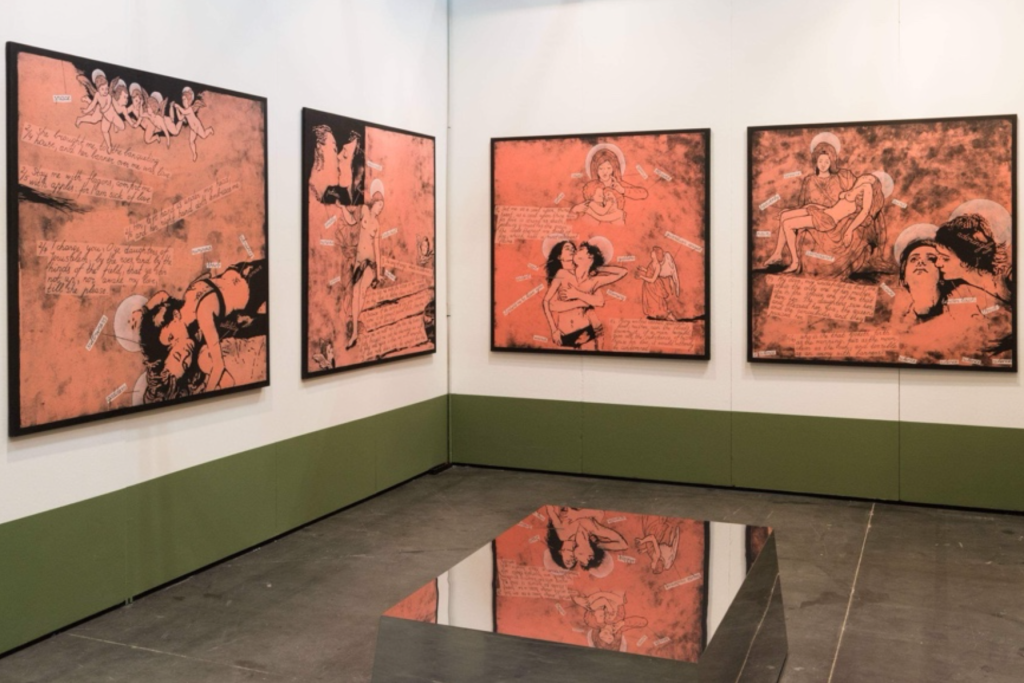
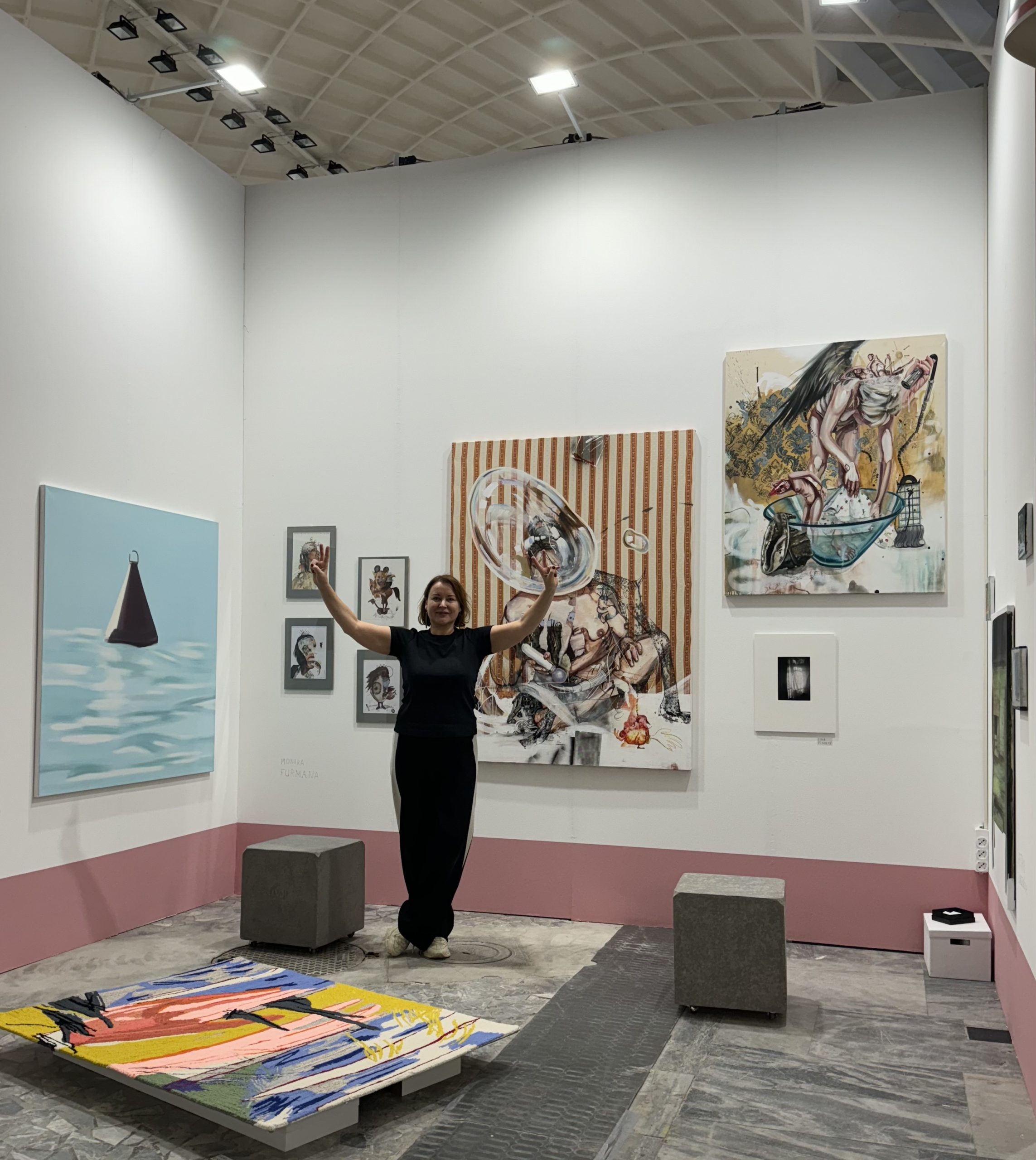
Contour Art Gallery at ArtVerona 2018, featuring Laisvydė Šalčiūtė.
Named among Artribune’s top 10 booths
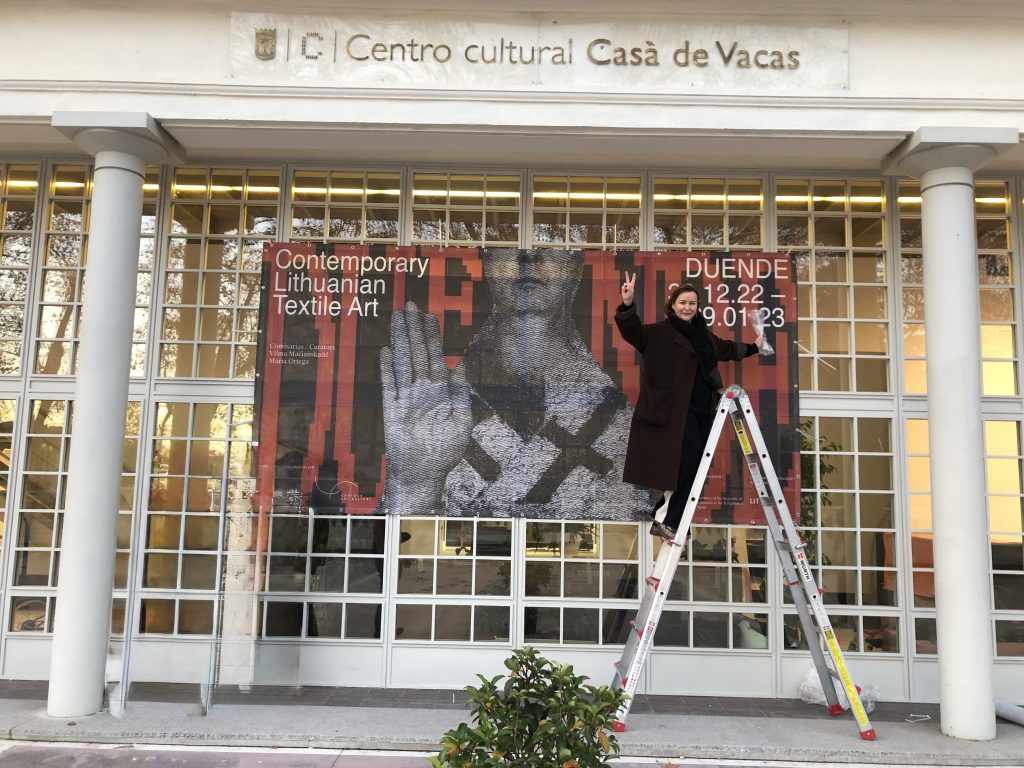
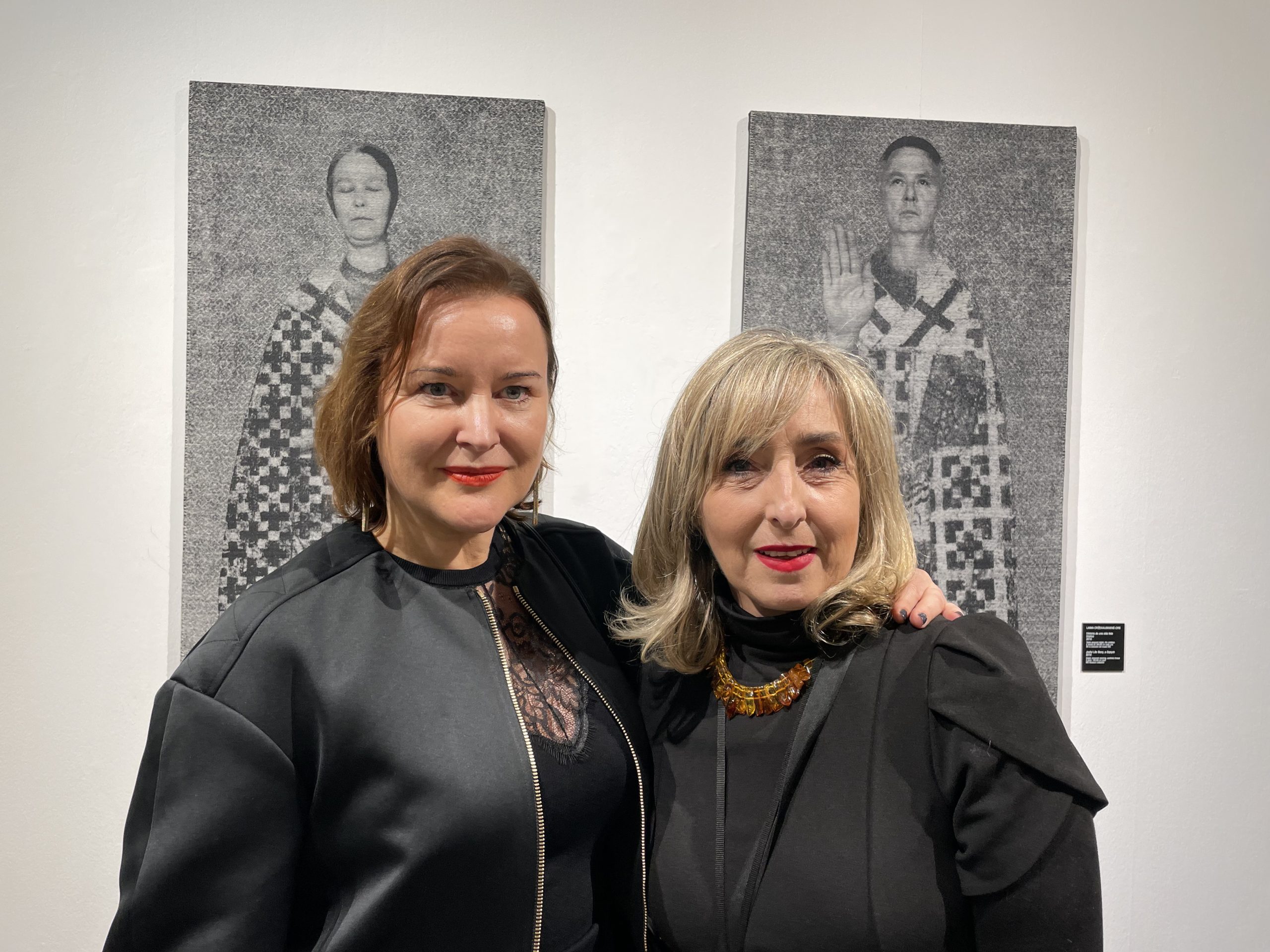
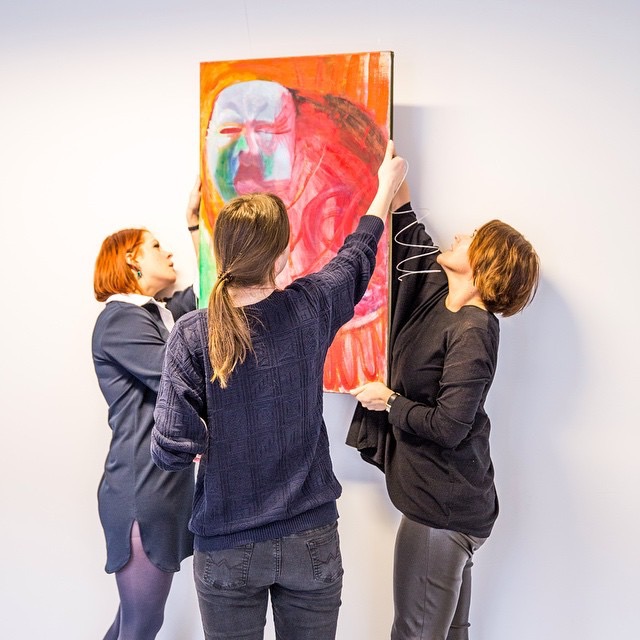
Installing DUENDE, Contemporary Lithuanian Textile Art, Casa de Vacas Cultural Centre, MADRID, Spain, 2022
.
.
J.P.: For nine years, Contour Art Gallery had no permanent premises. You worked through exhibitions in different venues, art fairs, pop-up projects and partnerships. Many would have considered this a disadvantage. Looking back, do you think this very experience is what shaped the gallery’s identity?
.
V. M. : I think it tested my character more than anything. I am persistent by nature – I inherited that from my father. And when things get difficult, I only become more determined. I found it fascinating to be constantly chasing clouds, and I never even considered signing a lease and committing to a permanent space. I thought artists, too, needed different spaces for different works.
.
Those years on tour were also incredibly interesting. It is quite remarkable how much was happening, and what I find most fascinating is that I could call it a gallery even though there was no actual physical gallery. The list of projects, achievements and spaces transformed by art is certainly impressive: from Palazzo Ducale in Mantua and the Casa de Vacas cultural centre in Madrid to the remarkable Markučiai Manor and exhibitions hosted in spaces provided by Baltic Sotheby’s Realty. What did being constantly on the move bring? Challenges. How to arrange the lighting, where to store the artworks, how to explain to people that we were no longer at, say, Lydos Street, but had moved to Totorių Street. And, of course, that constant underlying anxiety: what if something went wrong?
.
On the other hand, this experience made me realise just how much trust the artists placed in me. Some of them accompanied me throughout this entire difficult journey and stayed with me all the way to Šv. Kazimiero Street. I value and love them dearly because they recognised and appreciated my efforts. They know that.
.
Did I ever get tired of constantly starting all over again? I simply never considered that things could be any different. I simply loved what I was doing too much. Or perhaps I just didn’t have the opportunity to do things differently back then.
.
.
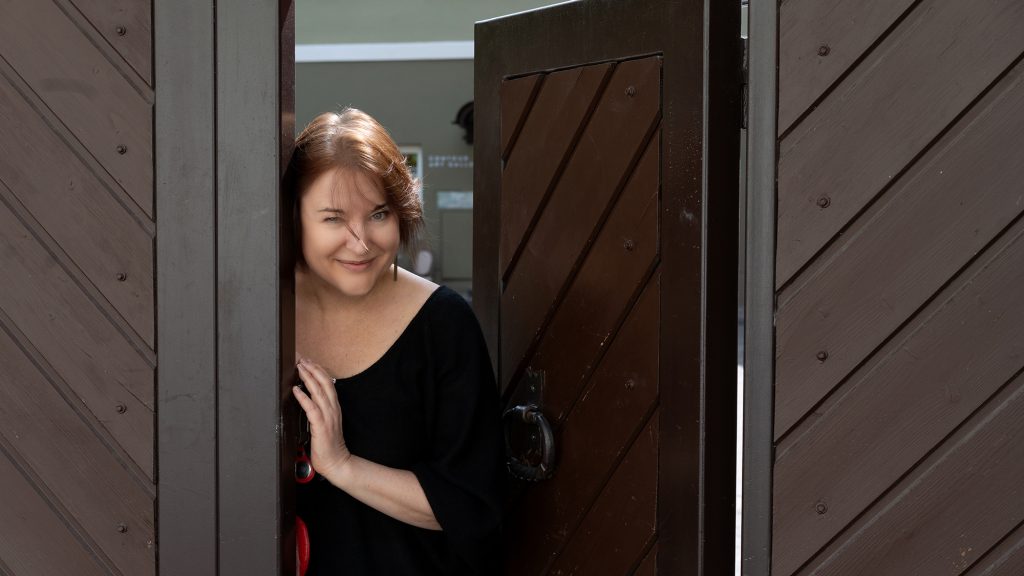
Photo: Lina Fisheye
.
.
J.P.: In 2025, Contour Art Gallery finally found its permanent home in Vilnius’s Old Town. What does having a gallery mean to you?
.
V. M. : It is something beyond a dream. Even now, I can hardly believe that I dared to take the leap. The first time I thought, “This is my place”, was when I saw the rental listing for this space on Aruodas. Its vaulted ceilings echo the contours of my logo. I could hardly believe that such hidden gems still existed in Vilnius’s Old Town.
.
Then the fears began to creep in. It wasn’t a white space or a traditional white cube. Perhaps there weren’t enough walls, or maybe the bricks in the 16th-century ceiling would start crumbling. But my biggest fear was that something would get in the way and I wouldn’t be able to rent the space, or that I wouldn’t be able to sustain it financially and everything would fall apart after six months. That didn’t happen. We will celebrate the gallery’s tenth anniversary at our premises on Šv. Kazimiero Street, and this will already be the eighth exhibition held in this space.
.
Having this permanent space changed my understanding of what it means to be a gallerist. After all, having a gallery is very different from organising art projects or representing artists. There is that feeling when, in the evening, you have already walked out the door to go home for the fifth time, only to turn around and come back to finish something, check that everything is properly arranged, locked up and switched off.
.
And then there is the pleasure of arriving every day, turning on the exhibition lights, making yourself a coffee, chatting with the neighbours and sitting down at the bespoke table designed by Vytautas Gečas specifically for the gallery. (Incidentally, I owe the idea of placing a table at the heart of the gallery – one that anchors the space and brings people together – to architect Aurimas Syrusas of IMPLMNT.)
.
My relationship with a place is important to me, and I am convinced that experiencing art is about more than the art itself. It also matters where it is seen – the place where a potential buyer first encounters an artwork. A welcoming space helps build and maintain relationships with people. Conversation matters, as does the emotion someone experiences when they discover an artwork that feels like the one – a work they can call their own.
.
People come here to encounter art, but the fact that they linger and don’t want to leave perhaps shows just how much this space reflects my personality. I feel at home here, and I want others to feel the same way when they visit the gallery.
.
The space, the atmosphere, the conversation, the emotion a person experiences when acquiring an artwork – that is what a gallery is all about.
.
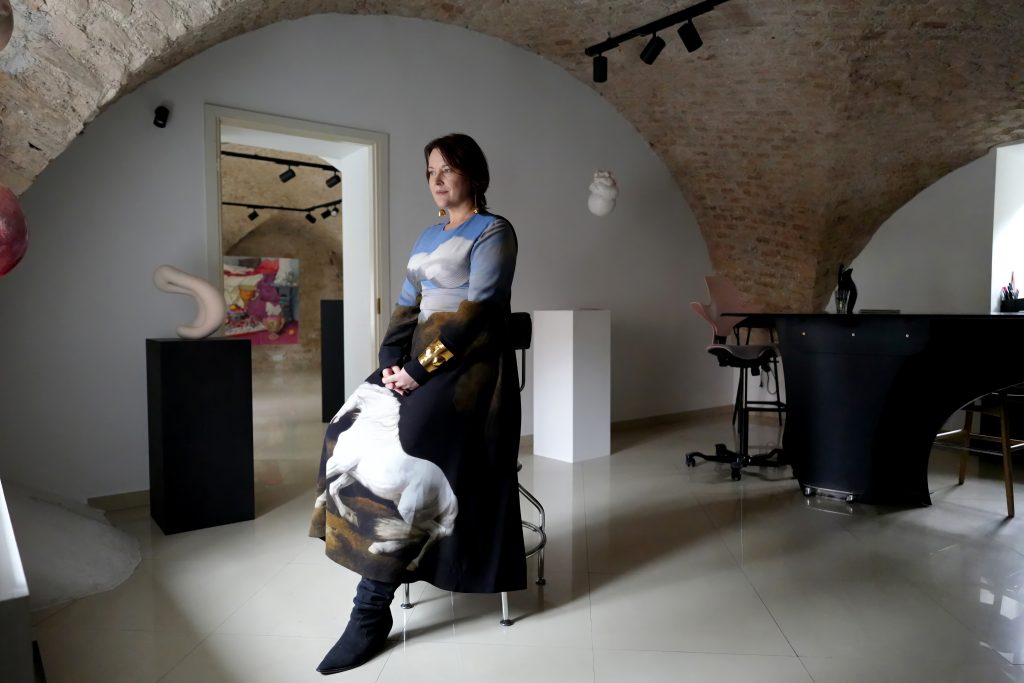
Vilma in her gallery / photo: Lina Fisheye
.
.
J.P.: Galleries are often described as purely commercial institutions – profit-driven businesses concerned only with selling works of art. But galleries are so much more than that. They are built on relationships and emotional connections with artworks and the people who create them. How do you know when you want to accompany an artist on a long-term journey rather than simply organise one successful exhibition? What does that kind of long-term relationship look like?
.
V. M. : I think you first need to trust yourself to find your way through life with any ease. That confidence comes from knowledge and experience, and buyers pick up on it very quickly. To sell a work, I have to truly believe in what I do and what I offer. Whether an artist and I will go beyond a single exhibition – even if their work is fantastic – is something I sense when we talk. Do we really hear each other, and do we want to keep the conversation going? There needs to be no awkwardness, irritation or tension between us. There can be surprises, laughter, sometimes even tears but we keep talking.
.
The clearest sign of trust is an artist’s openness to discussion. When they see you not as a critic, a competitor or a salesperson and, heaven help us, not as an unpaid manager who constantly owes them something. Trust is when we discuss things and work together; when an opportunity arises, we seize it, divide up the work and go all in because we share the same goal. That is when I feel part of the process, and that is what drives me.
.
It is when an artist fully trusts what I do with their work, knowing I will find the right places to show it and the right people or institutions to introduce it to. And, in turn, I can feel at ease knowing what the artist will deliver. That is what trust looks like.
.
.
J.P. : How much does a gallerist today need to be a manager, a diplomat, a psychologist – and how much of an art person?
.
V. M. : I believe that to survive in today’s contemporary art market, it is not enough to be an art person, just as it is not enough to be simply a businessperson. You need to understand art, be able to assess it professionally and, above all, love it. But all the other roles you mentioned are equally indispensable, and they take up an enormous amount of time.
.
I am particularly inspired by the role Leo Castelli (one of the most influential art dealers and gallerists of the 20th century, especially significant in the history of contemporary art in the United States) played in art history, because his approach reflects my own vision of working with artists.
.
I want the artists with whom we have built strong relationships to be free to create, while my responsibility is to build the infrastructure around them: a network of collectors, institutional connections, an exhibition history, a reputation and a market. Leo Castelli’s ambition was not simply to sell artworks, but to build an artist’s value consistently and, in doing so, establish their place in art history. This approach resonates deeply with me, and it is the path I try to follow. Belief in an artist and a long-term relationship matter far more than a quick sale.
.
And which role feels closest to me personally? That of an observer, gently pulling the strings to make sure everything moves in the right direction; a winner when we achieve the desired result; and a conductor when I feel that everything comes together in harmony.
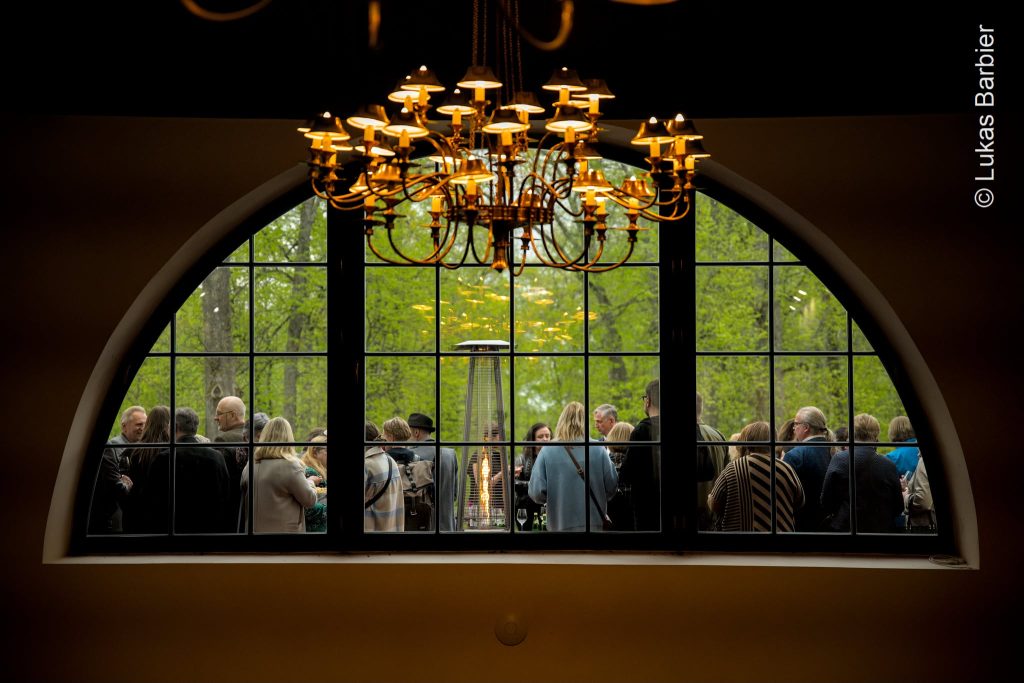
Opening Raimondas Gailiūnas‘s exhibition at Rokiškis Manor, 2019
Click the image to take a closer look
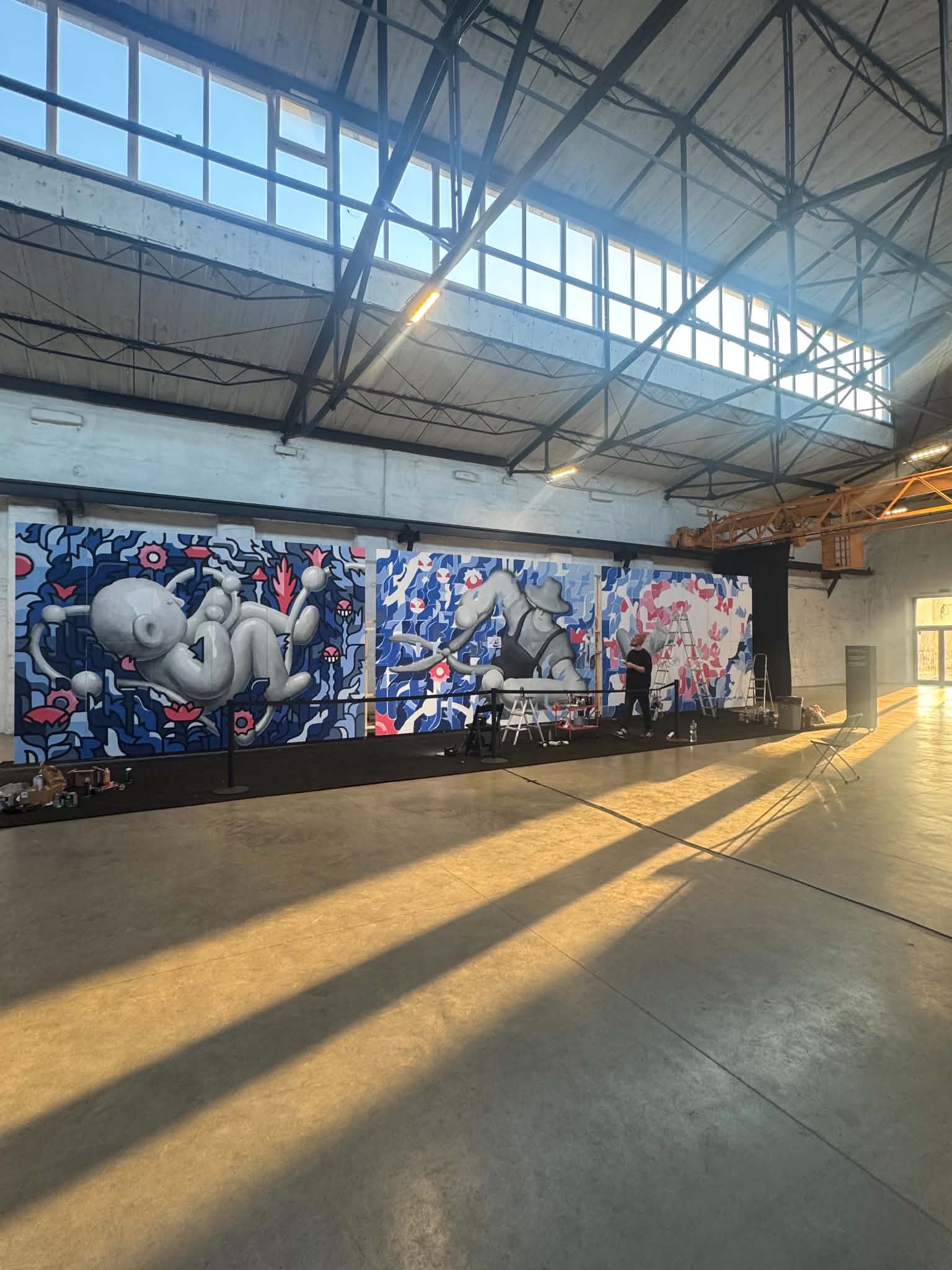
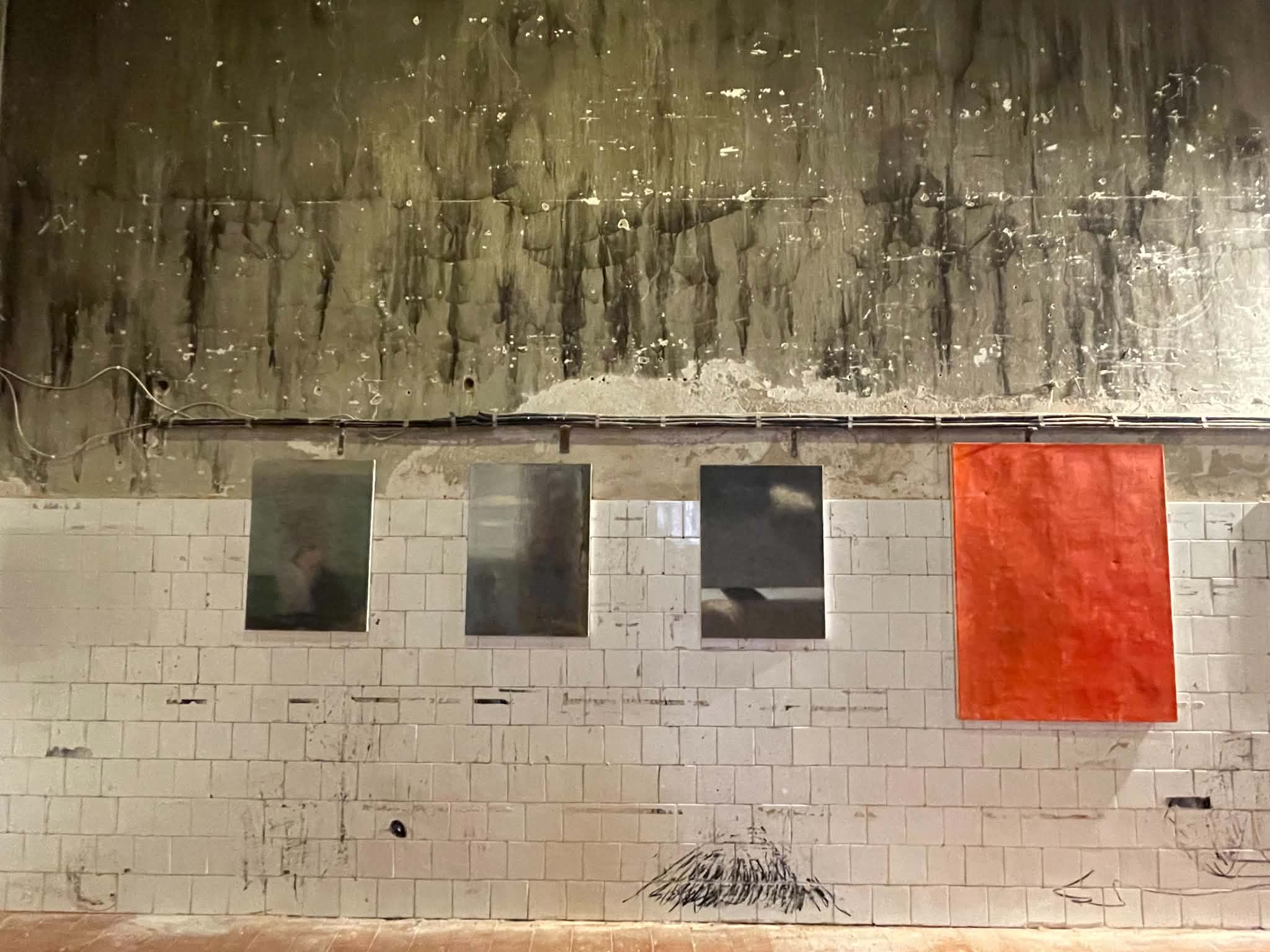
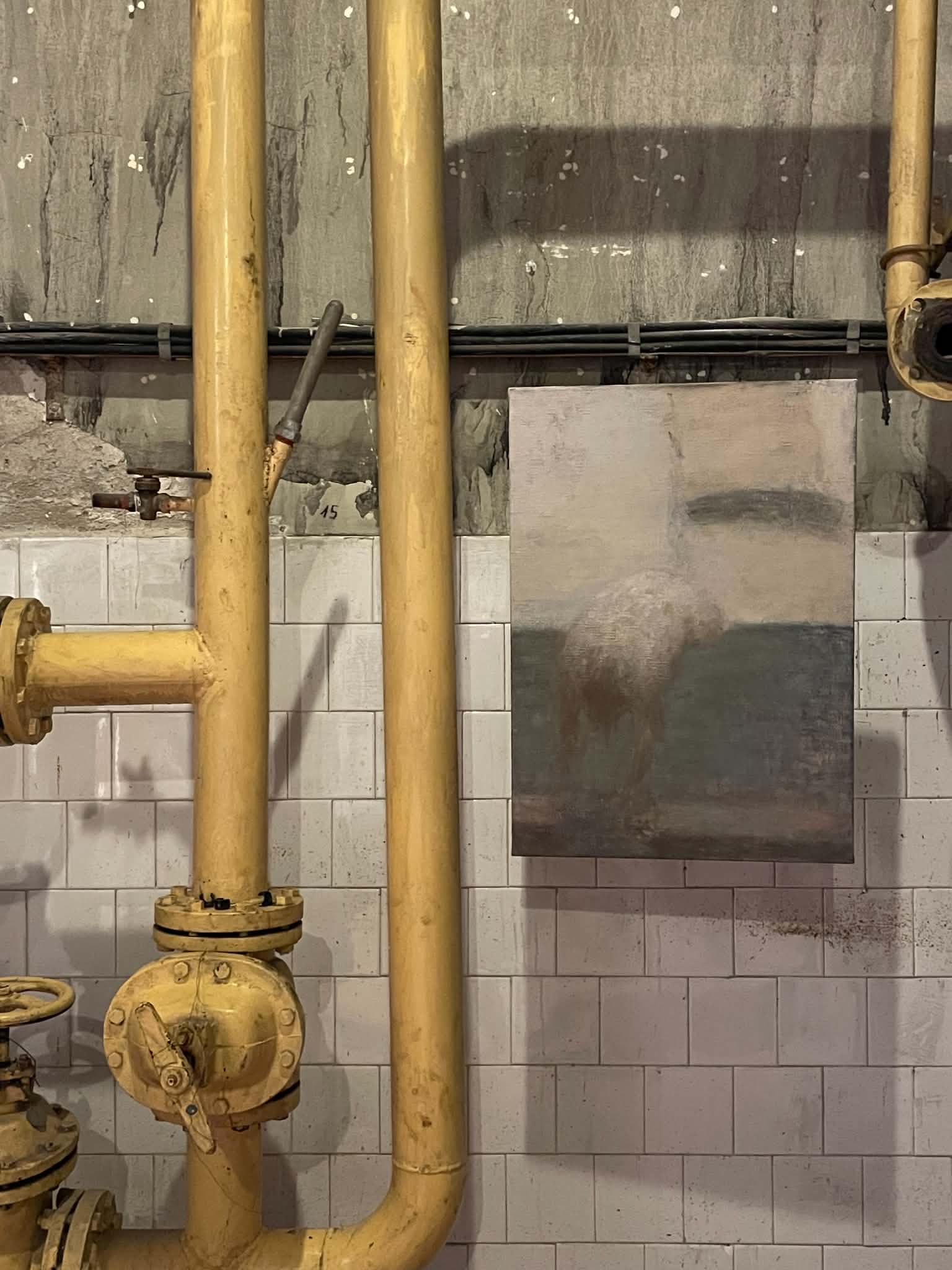
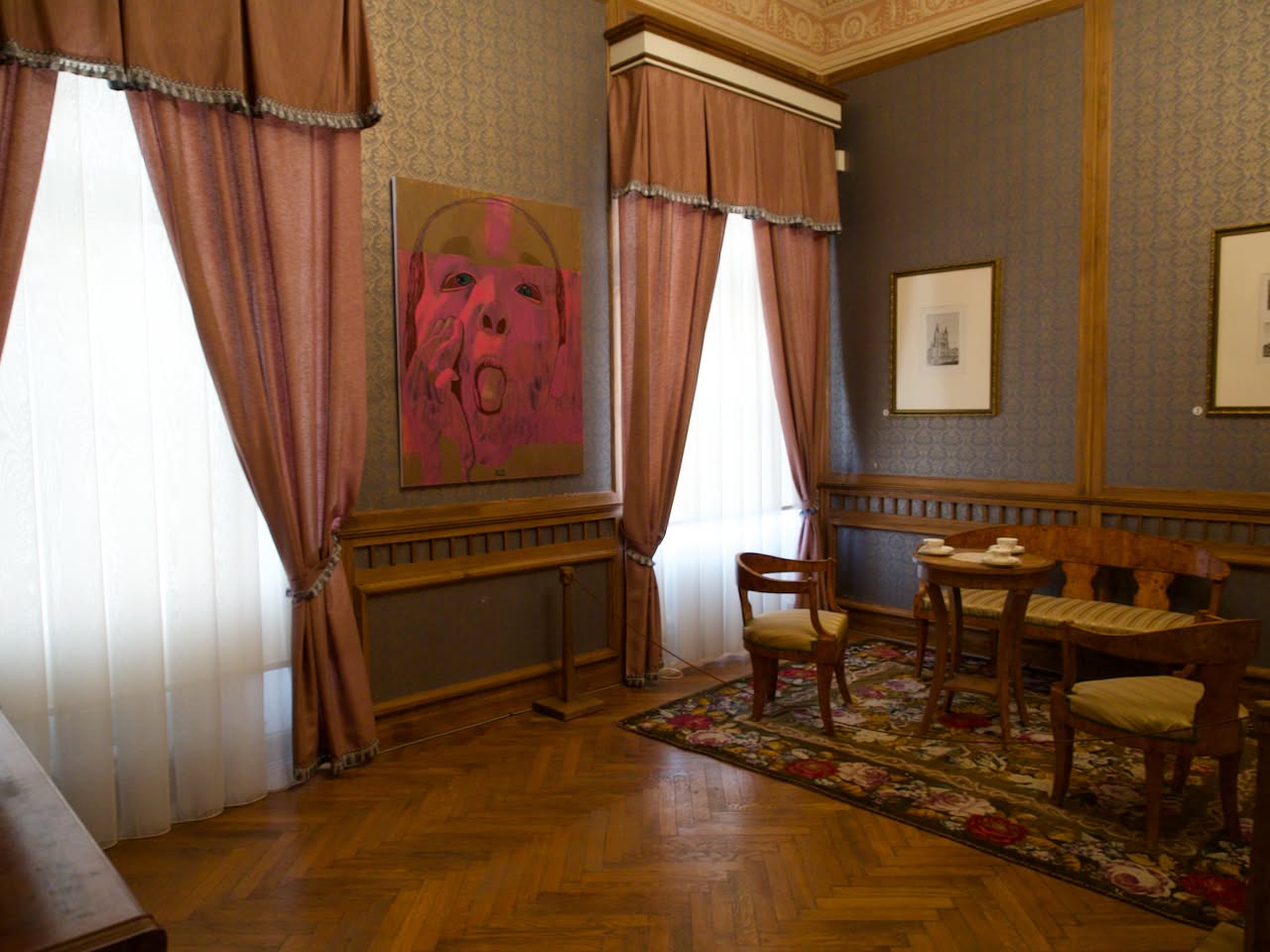
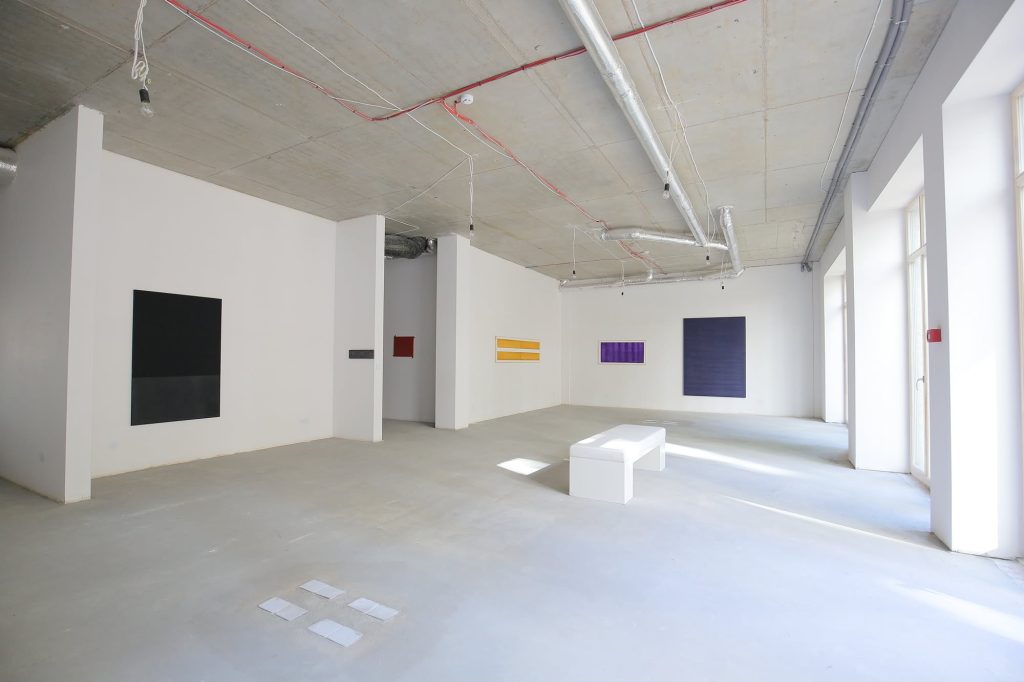
Interlude, Rūta Vadlugaitė’s solo exhibition, presented by Contour Art Gallery
in a space provided by Baltic Sotheby’s International Realty, 2018
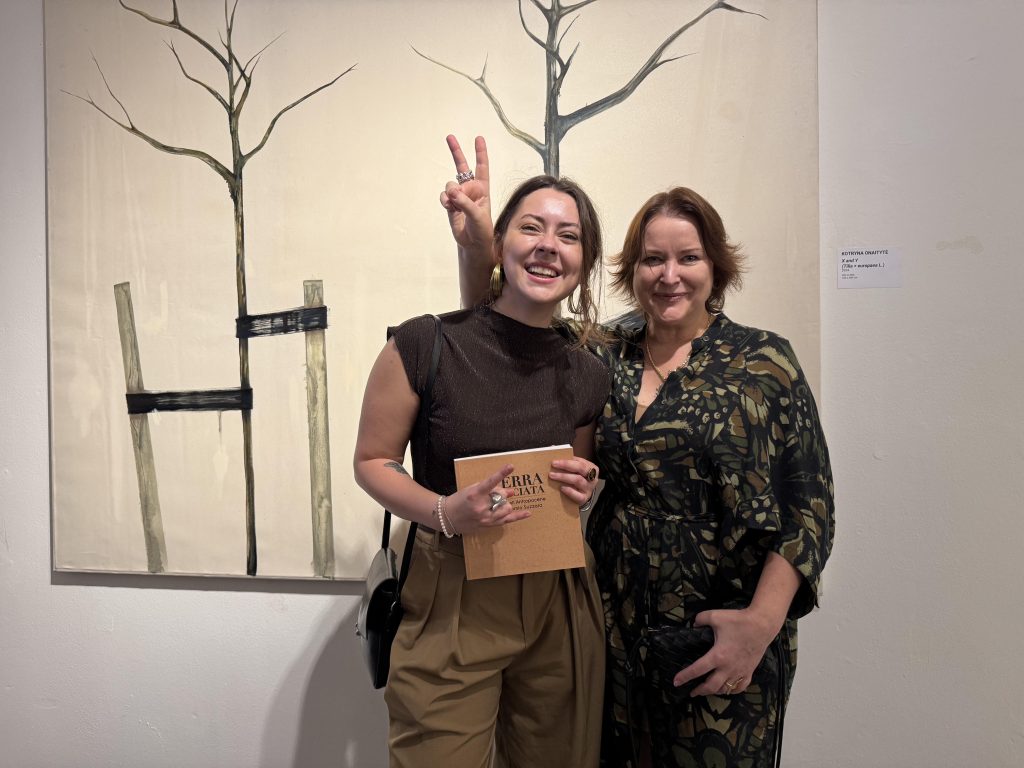
Kotryna Onaitytė. The winner of the Main Prize at the 53rd Premio Suzzara, “Terra Bruciata,” Italy, 2026
.
.
J.P. : But most of a gallery’s work takes place behind the scenes, when nobody is watching. How much romance is there really in it?
.
V. M. : There is more passionate intensity than romance. Rushing between artists’ studios, meetings, discussing new works, art fair participation and exhibitions. And this intense pace, together with exhibition openings and events, accounts for only 10 per cent of what we do. The remaining 90 per cent is actually made up of things nobody ever sees: packing artworks, planning logistics, washing the gallery floors, constantly communicating with other institutions, artists and collectors, maintaining artists’ databases, publishing artworks on international platforms, sharing information through direct channels, and so on.
.
I should also find time to look for sponsors and raise funds for the larger projects we have planned, but there simply aren’t enough hours in the day for that. It is my weak spot. And then there is the constant thinking. Plans and scenarios are taking shape in my head day and night.
.
.
J. P. : Throughout the gallery’s years of operation, you must have met many collectors who were buying an artwork for the very first time. Is people’s relationship with art changing? Are we in Lithuania beginning to collect art not for prestige, but out of an inner need?
.
V. M. : And also out of a desire to help and support artists. It is wonderful to see a growing understanding that when we buy works by artists who are creating today, we are not simply acquiring trophies for ourselves – we are also contributing to the country’s intellectual growth. And there are people who understand this.
.
As for who the contemporary art buyer is today, I would say they come from very different backgrounds. For example, there are people who acquired works during the gallery’s very first appearances, and it would make me very sad if they weren’t there to share some of the gallery’s most important moments. I think these people deserve to be mentioned by name : Arūnas and Vida Uleckai, Erin Gainer-Grigaliūnė and Julijus Grigaliūnas.
.
That doesn’t mean they are constantly buying art. It is something much more than that – they are friends of the gallery. Another important person to me is Andreas Schlüter. I recently received a letter from him in which he wrote: “You have so many fantastic artworks that I would need to hire someone to change the exhibition every month, putting up new works, because there is simply no more room on my walls. But since I am far too busy, tell me what I could do to help and feel part of your process, so that you can keep doing what you are doing without having to stop.”
.
And he is not a millionaire who doesn’t know what to do with his money. He is a medical professional with an immense love of art. These people genuinely care about how we are doing, how the gallery is progressing and how the artists are getting on. And if necessary, I know they will always be there to offer advice and support.
.
When it comes to people in Lithuania who are just beginning to develop a relationship with art, I would say that we still lack a certain boldness. Leaving aside those who are already building contemporary art collections with great commitment, artworks are still often viewed as decorative objects. Because inviting an artwork into your home – one that becomes a focal point, conveys a message, stands out from its surroundings or even defines the entire space – requires a certain amount of courage.
.
But the good thing is that people are becoming increasingly interested in art. They are discovering more and seeing more. What I like most are those who fall in love with an artwork first and then shape their home interiors around it, rather than the other way around.
.
.
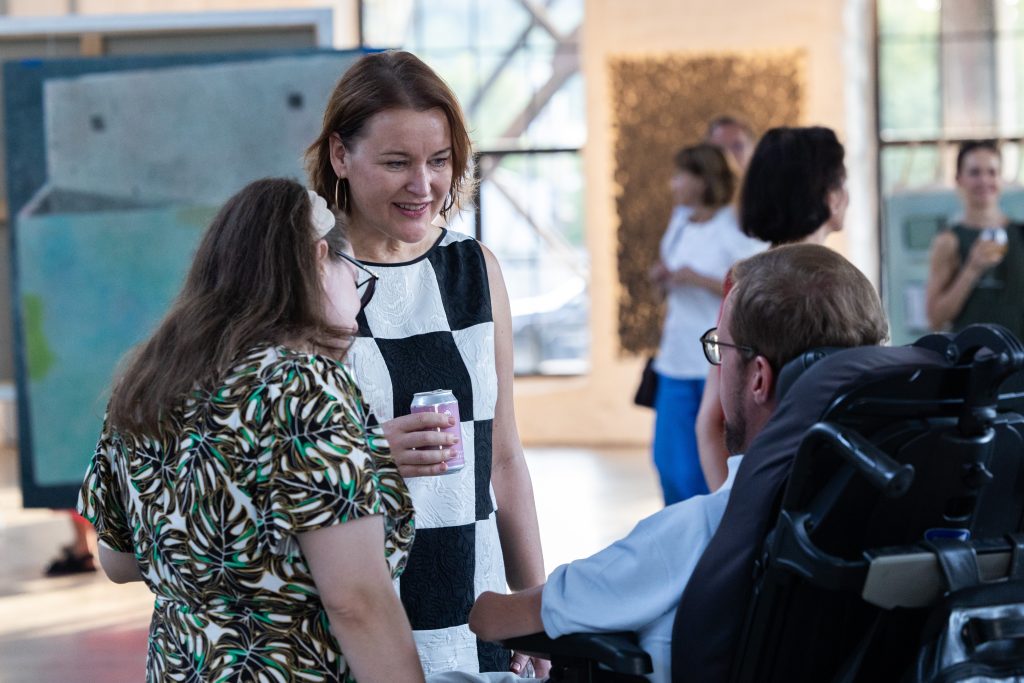
Opening of the exhibition Locals, Vilnius, 2024
.
.
J. P. : Over the past decade, Contour Art Gallery has increasingly engaged with the international art market. Do you still have to prove that Lithuania has a strong contemporary art scene?
.
V. M. : Every time you enter a new environment, you have to prove yourself and your art all over again until you become familiar and recognised. There is a Japanese saying about patience: “Three years on a cold stone.” It means that even a cold stone will eventually warm up if you sit on it long enough. We shall see how things unfold. My goal is to participate in at least four or five major art fairs every year.
.
As for the Lithuanian contemporary art scene, there is no doubt that its international visibility has been boosted by achievements such as the success of Sun & Sea at the Venice Biennale, Lina Lapelytė’s subsequent career breakthrough, the international career of Pakui Hardware, the major exhibitions dedicated to presenting Aleksandra Kasuba’s work around the world, and the professional work of the MO Museum, which has certainly not gone unnoticed. Another important contribution was the donation of works by Lithuanian artists to the collection of the Centre Pompidou in Paris by the museum’s founders, Viktoras and Danguolė Butkai.
.
If more focused attention and funding were devoted to culture, or if there were at least a clearer strategy for promoting Lithuanian art abroad, individual artists and galleries wouldn’t have to start their international journeys from scratch every single time.
.
.
J. P. : What is Lithuania still lacking to ensure that our artists are more visible on the international art scene?
.
V. M. : Concentrated support that would help those who are working incredibly hard, often entirely on their own, break through to international recognition. It really doesn’t take that much. What we need is support, rather than judgement and watching from the sidelines to see “how long they can keep going”.
.
.
J. P. : And in what kind of environment, in your view, can galleries and artists grow most easily? Is there a country whose gallery model you feel particularly close to?
.
V. M. : Poland. Private galleries in Warsaw are impressive, both in terms of their spaces and the projects they organise. They don’t feel as cold or inaccessible as the galleries representing blue-chip artists in major European cities. There is a sense of warmth and individual attention, yet they also seem to enjoy a relatively stable position.
.
At the world’s leading art fair, Art Basel, you can find several Polish galleries. What is happening there represents a very good balance between commercial activity and artistic freedom of expression. And they can afford to maintain this balance because Poland has numerous art foundations collecting contemporary art, as well as concentrated government support and a cultural policy that actively supports the sector.
.
.
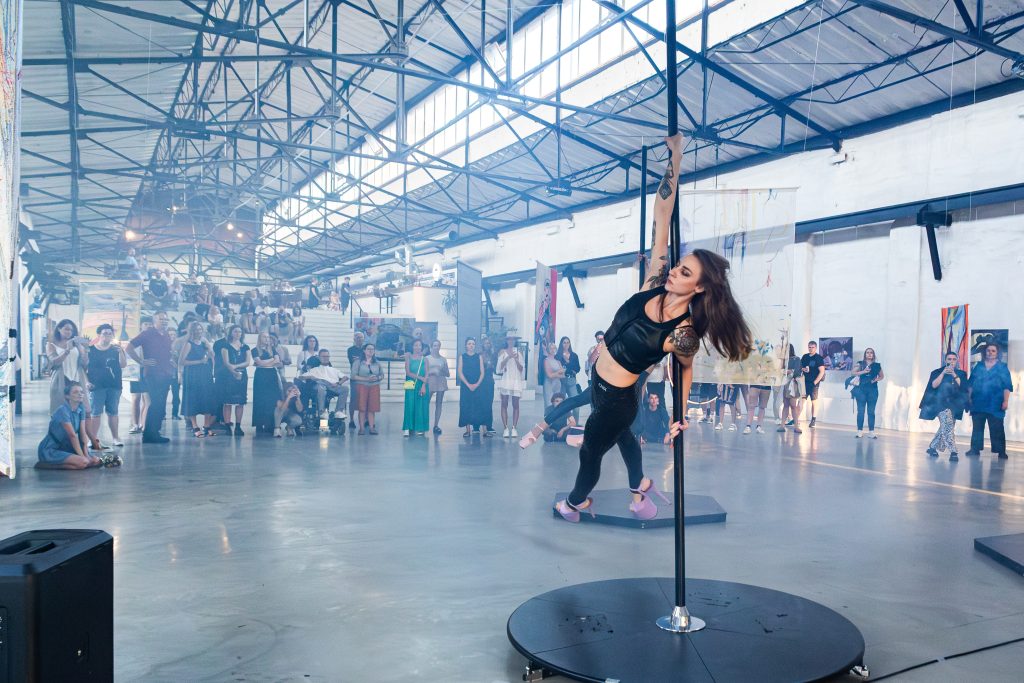
Gallery artist Diana Remeikytė performing at the exhibition opening
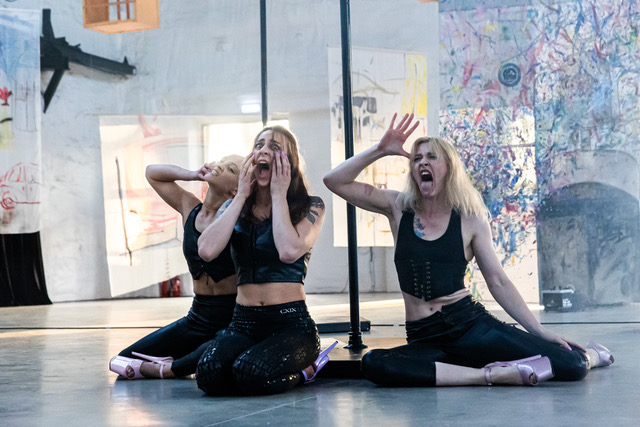
Ekaterina Kvashchynskaya photo
.
.
J. P. : At first glance, the gallery seems elegant and serene. But what are you like when it comes to fighting for your artists?
.
V. M. : Like a lynx. Absolutely. I fiercely defend everything I believe in, and when I choose to represent an artist, it means I believe in them. If that belief starts to waver, we talk about it. If we stop communicating, we part ways, and the artist is no longer my artist. It sounds very simple, doesn’t it?
.
As for elegance, we’re not always quite so calm. For example, we opened the exhibition by Diana Remeikytė and Raimundas Gailiūnas with a pole-dancing performance by three divas, as the sun was setting and the space filled with smoke. The artist herself, together with two of her dance partners, made their way through the crowd gathered for the opening and began to spin and move, recreating the facial expressions depicted in Raimundas’s works.
.
It wasn’t particularly elegant – it was sexy, original and powerful. No introductions, no speeches.
.
.
J. P. : What irritates you most about the art world?
.
V. M. : Dilettantism that can foster bad taste or pander to it.
.
.
.
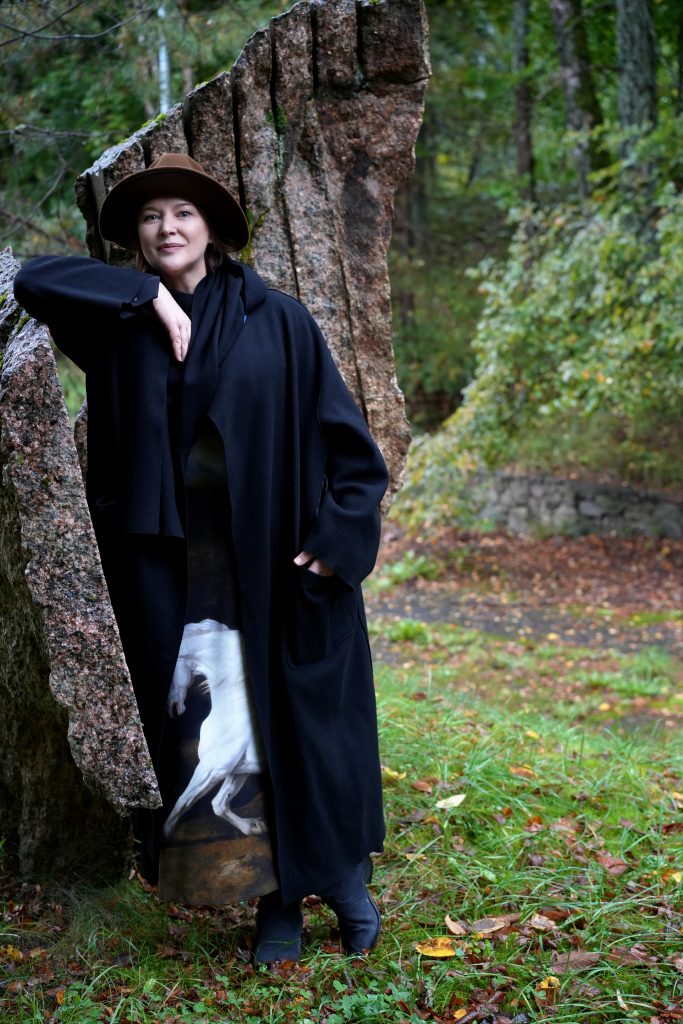
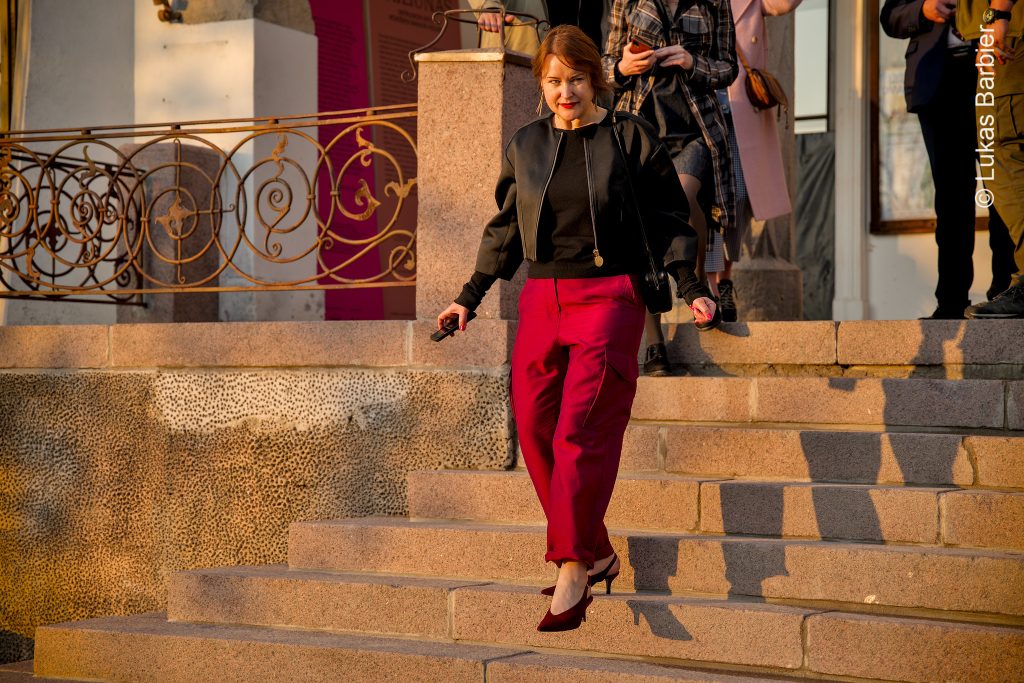
Vilma / Photo: Lina Fisheye
.
J. P. : And what, over these ten years, has best reminded you why it was all worth it?
.
V. M. : A hug with an artist when we achieve success, fully aware that it is the result of the long years of work we have both put in. And perhaps also my decision to establish a permanent home for the gallery – the excitement, the anxiety, the little fears, and the immense pride, all at once. It feels incredibly good simply to be in the gallery.
.
.
J. P. : What does your everyday life look like? Do you still find time to simply spend time with art?
.
V. M. : I’m surrounded by art all the time, because it’s everywhere around me, even when I’m staring at my computer screen. It’s there when I’m planning my holidays, too. For example, I had two trips planned for September: one to preview the Venice Biennale, and the other for Warsaw Gallery Weekend. But my Warsaw “holiday” was eventually replaced by a trip to Suzzara, Italy, where our represented artist Kotryna Onaitytė won the Main Prize at the 53rd Premio Suzzara, and her work was acquired by the museum. Out of 550 applications and 75 finalists, she was the one to take home the top award. Before that, I had a “holiday” at the Malta Biennale, and so on.
.
.
J. P. : If we were to meet again in another ten years, what question would you most like me to ask you?
.
V. M. : I’d like you to ask when you can come over for coffee. And I’d say to you, any time, Julija.
.
.
.
J. P. : And what would you like to have achieved over the next ten years?
.
V. M. : I would like to have participated in Art Basel for at least five consecutive years and have a team around me, so that I can delegate some of the work from time to time. Together, we could achieve much more. I want my artists to be free to create, while my responsibility is to build the infrastructure around them. I want their works to find their way into the most significant collections around the world, and I want them to be able to live with dignity – as we sometimes say in Lithuania, referring to pensioners. We should all be able to live with dignity, at the very least. Artists need to earn a living. That is exactly what we are working towards.
.
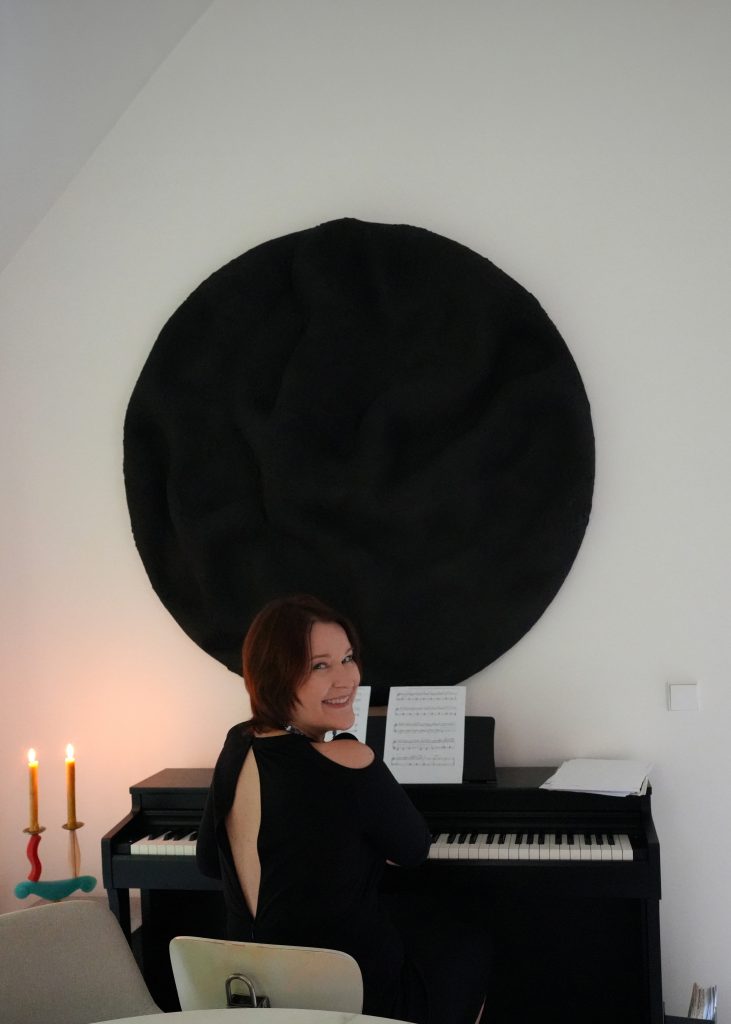
As for myself, I would like to preserve my health, because there is no shortage of stress. And I would like to make time for myself – for music, movement, the plants on my terrace, travelling, books, and conversations with the people I love.
.
J. P. : Thank you.
.
.